
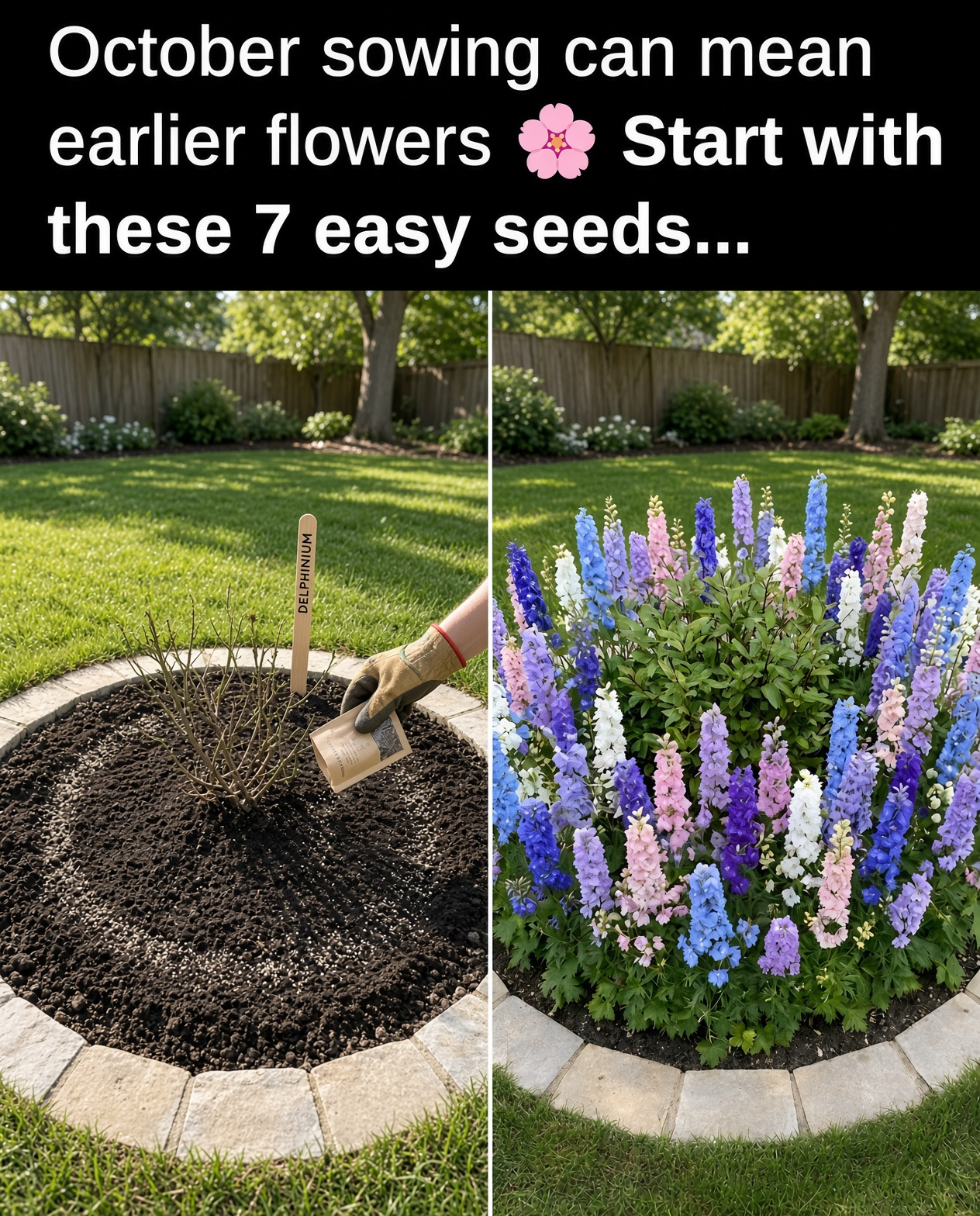
October may feel like the end of the gardening season, but it can actually be an excellent time to prepare next year’s flower garden. Instead of starting every seed indoors, some hardy flowers can be sown directly into the garden while the soil is still workable.
Here are seven flowers worth considering for October direct sowing, along with the planting depth, soil conditions, and simple tricks that can improve your results.
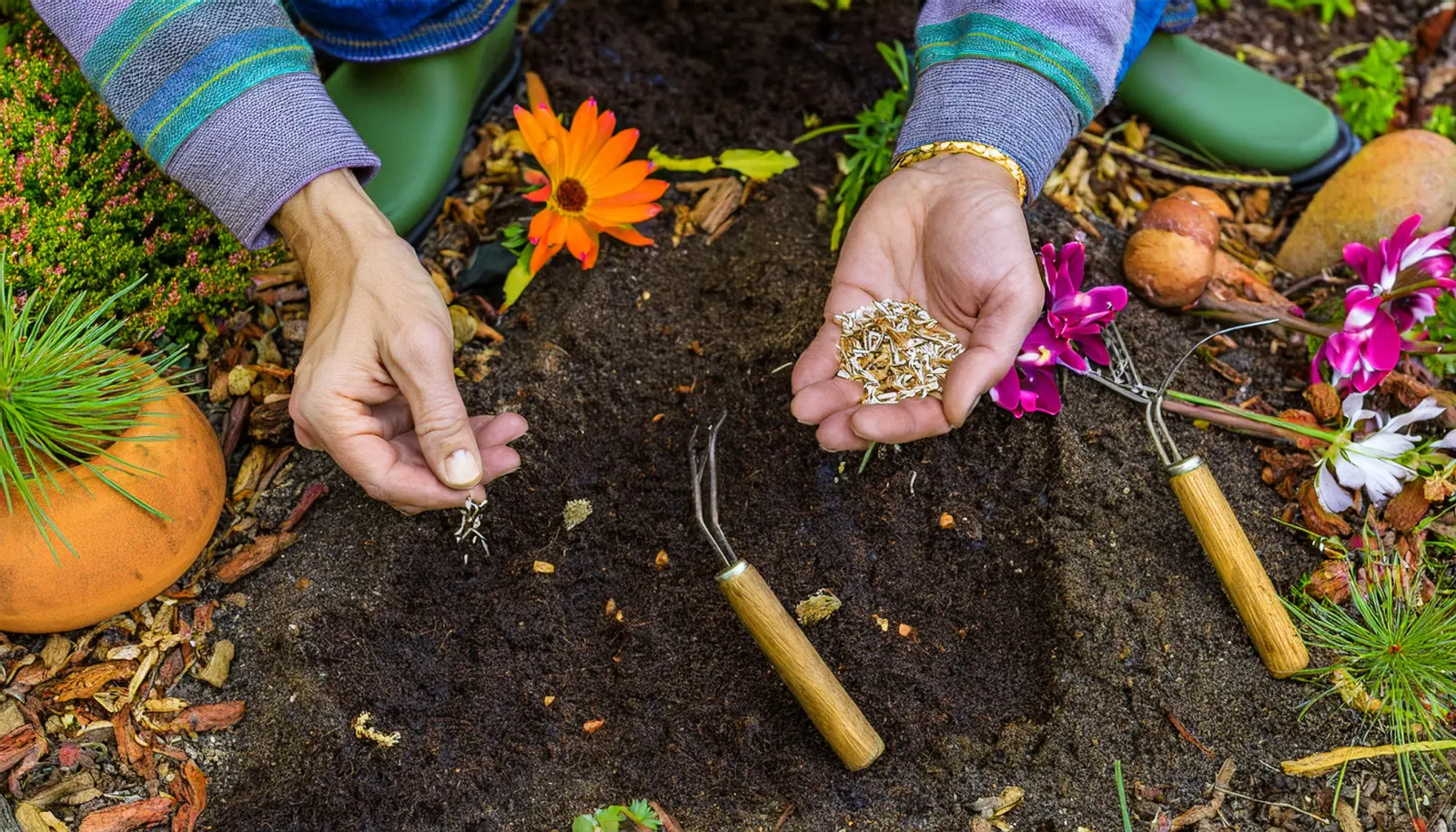
1. Calendula
Recommended October sowing zones: USDA Zones 7–11
Calendula, also known as pot marigold, is one of the easiest flowers to include in an autumn sowing plan. It should not be confused with French marigolds, which belong to the Tagetes group and have different cold-weather preferences.
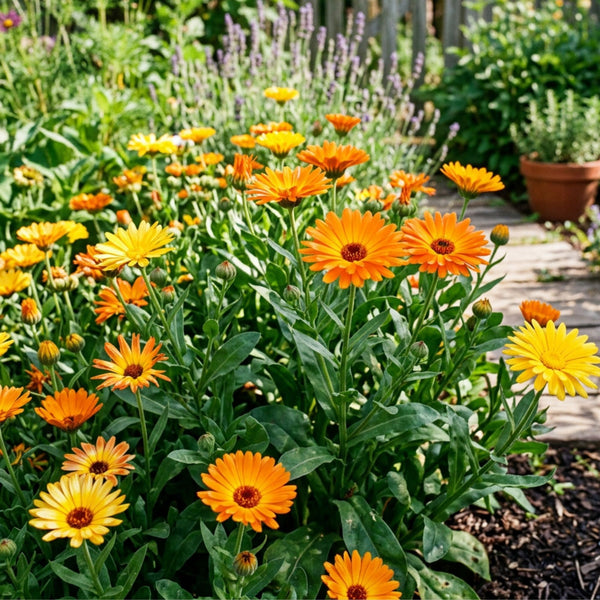
Calendula officinalis is much more comfortable with cool conditions and can establish before winter in climates where October sowing is appropriate. The plants produce cheerful orange and yellow daisy-like flowers and can become a useful addition to borders, containers, and cutting gardens.
Sow calendula seeds about 1/4 inch deep in a sunny location with good drainage. There is no need to create an extremely rich bed before winter. In fact, avoiding heavy fertilizer in the fall can help keep the plant’s growth balanced.
October tip: Concentrate on drainage rather than heavy feeding. Wet winter soil can be more problematic than a bed that is only moderately fertile.
2. Bachelor’s Buttons
Also known as: Cornflower (Centaurea cyanus)
Recommended October sowing zones: USDA Zones 7–10
If you want an uncomplicated flower for a fall-sown garden, bachelor’s buttons are a great candidate. Their brilliant blue flowers are especially attractive in cottage-style gardens, meadow plantings, and informal borders.

Prepare the bed by removing weeds and loosening the surface. Scatter the seeds and cover them with approximately 1/4 inch of soil. Once seedlings become established, thin them to roughly 8 inches apart to give each plant enough room and airflow.
Cornflowers are not especially demanding about soil. A sunny location with reasonable drainage is more important than heavily fertilizing the bed.
After sowing, keep the surface of the soil lightly moist until germination. Once the plants are established, they generally require much less attention.
October tip: Don’t let the seedbed become completely dry during the germination period, but water gently so that the small seeds aren’t washed away.
3. Annual Larkspur
Botanical name: Consolida ajacis
Recommended October sowing zones: USDA Zones 5b–10
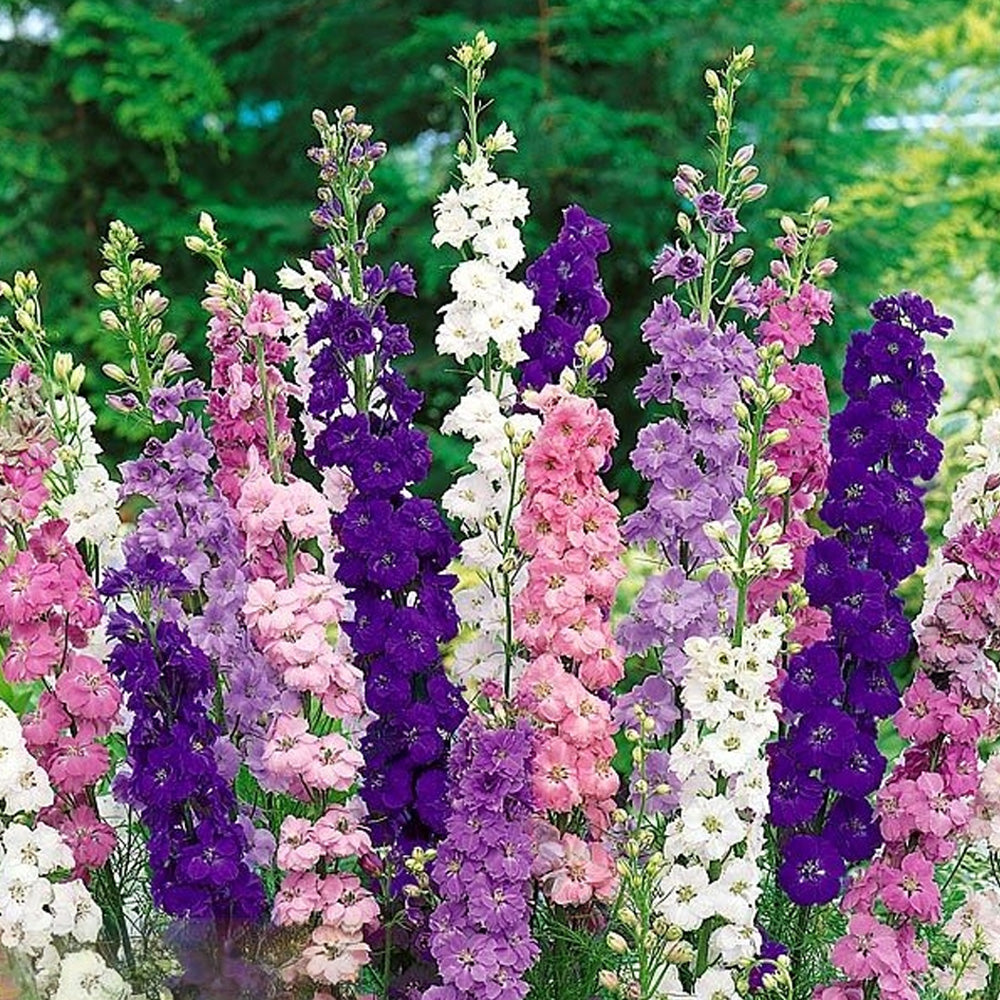
Annual larkspur brings tall, elegant flower spikes to the garden and can provide a similar vertical effect to delphiniums without requiring the same type of long-term space.
There is one important detail to remember with October sowing: soil temperature matters more than the calendar. Wait until the soil is around 55°F (13°C) or cooler before sowing. If the ground is still warm, waiting another week or two may produce better results.
Sow the seeds approximately 1/4 inch deep. Unlike some tiny flower seeds that need light exposure, larkspur benefits from being covered because darkness helps germination.
Annual larkspur is also toxic if eaten, so choose its location carefully and keep seeds and plant material away from children and pets.
October tip: Don’t rush larkspur simply because the calendar says October. Check the actual soil conditions first.
4. Love-in-a-Mist
Botanical name: Nigella damascena
Recommended October sowing zones: USDA Zones 5–8
Love-in-a-mist is particularly well suited to direct sowing because it does not appreciate having its roots disturbed. Rather than starting it in a tray and transplanting it later, sowing it directly where you want it to grow is much simpler.

Choose a sunny, well-drained location and scatter the seeds across the prepared surface. Cover them only very lightly because some light exposure is beneficial for germination.
One of the nicest things about Nigella is its ability to self-sow. After flowering, leave some seed pods in place rather than removing every spent flower. The plant may drop its own seeds and return naturally in a future season.
October tip: Avoid burying Nigella seeds too deeply. A light covering is enough.
5. Shirley Poppies
Botanical name: Papaver rhoeas
Recommended October sowing zones: USDA Zones 3–10
Shirley poppies are perfect for gardeners who want delicate, colorful flowers without starting seedlings indoors. Their flowers can appear in shades of red, pink and white, creating a soft, natural-looking display.
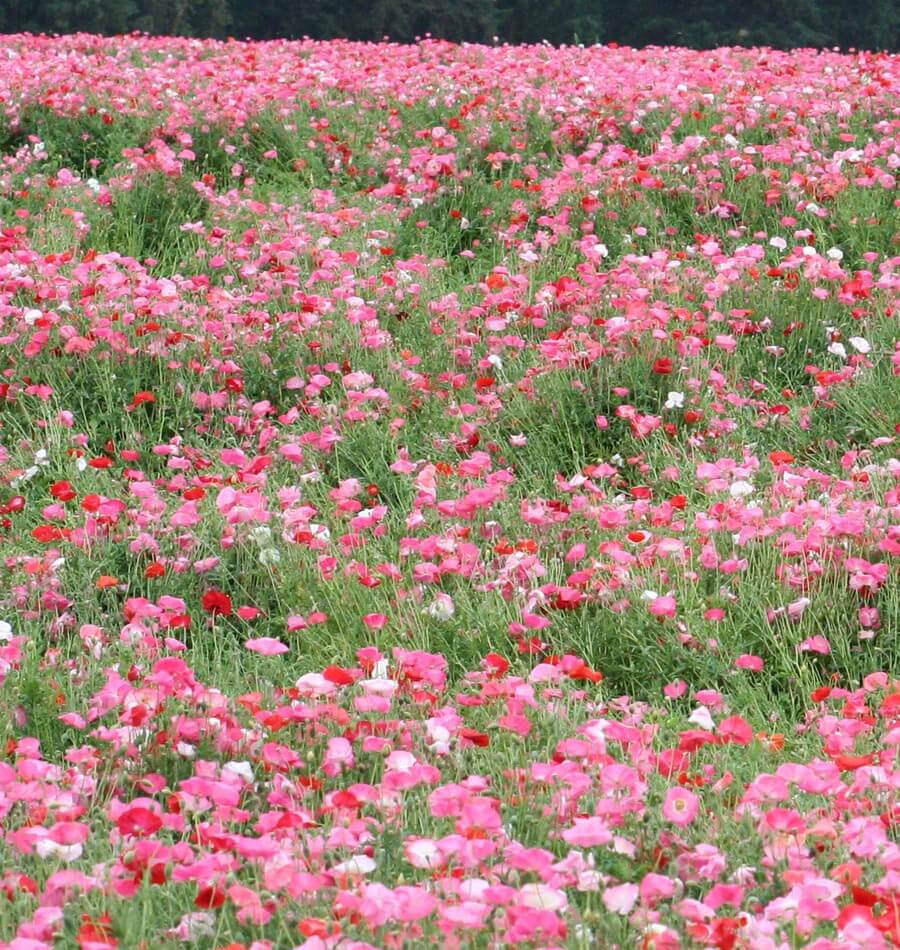
The seeds are extremely small, so resist the temptation to cover them with a layer of soil. Prepare a clean, weed-free patch, scatter the seeds over the surface and gently press them into the soil.
The goal is good seed-to-soil contact while still allowing light to reach the seeds. A flat board or the palm of your hand can be used to gently firm the surface.
Because the seeds are so tiny, mixing them with a little dry sand before sowing can make distribution much easier. Instead of concentrating many seeds in one area, the mixture allows you to spread them more evenly across the bed.
October tip: Do not cover Shirley poppy seeds with soil. Mark the area so you remember where they were planted during the winter.
6. Ladybird Poppies
Recommended October sowing zones: USDA Zones 8–10
Ladybird poppies make a dramatic statement with their brilliant crimson petals and contrasting black markings. They are particularly eye-catching when grown in an open sunny location.
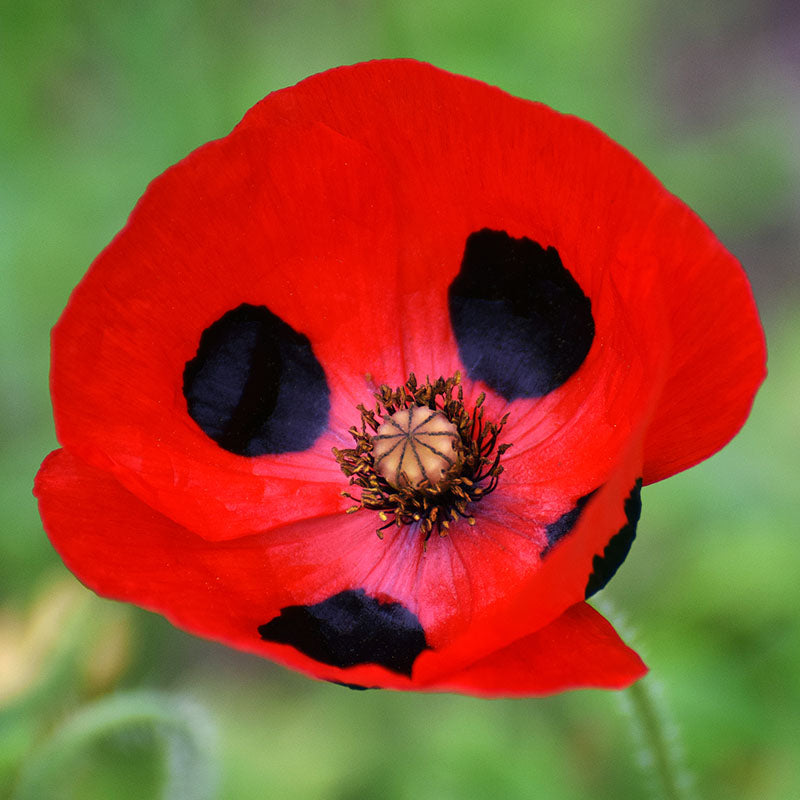
Like Shirley poppies, these seeds are tiny and should be sown directly onto the surface of a clean, weed-free bed. Choose a spot with full sun, scatter the seeds and gently press them against the soil.
Do not cover them with soil because they need light for germination. Once the seedlings become large enough to recognize, thin them to approximately 8 inches apart.
Because poppy seedlings can be extremely small when they first appear, marking the location is especially helpful. Otherwise, they can easily be mistaken for weeds during spring cleanup.
October tip: Put a visible plant label beside the sowing area immediately after planting.
7. Sweet Peas
Botanical name: Lathyrus odoratus
Recommended October sowing zones: USDA Zones 8–10
Sweet peas are especially appealing for fall sowing in mild-winter areas. Giving them time to establish roots during the cooler months can help them get a strong start when spring arrives.
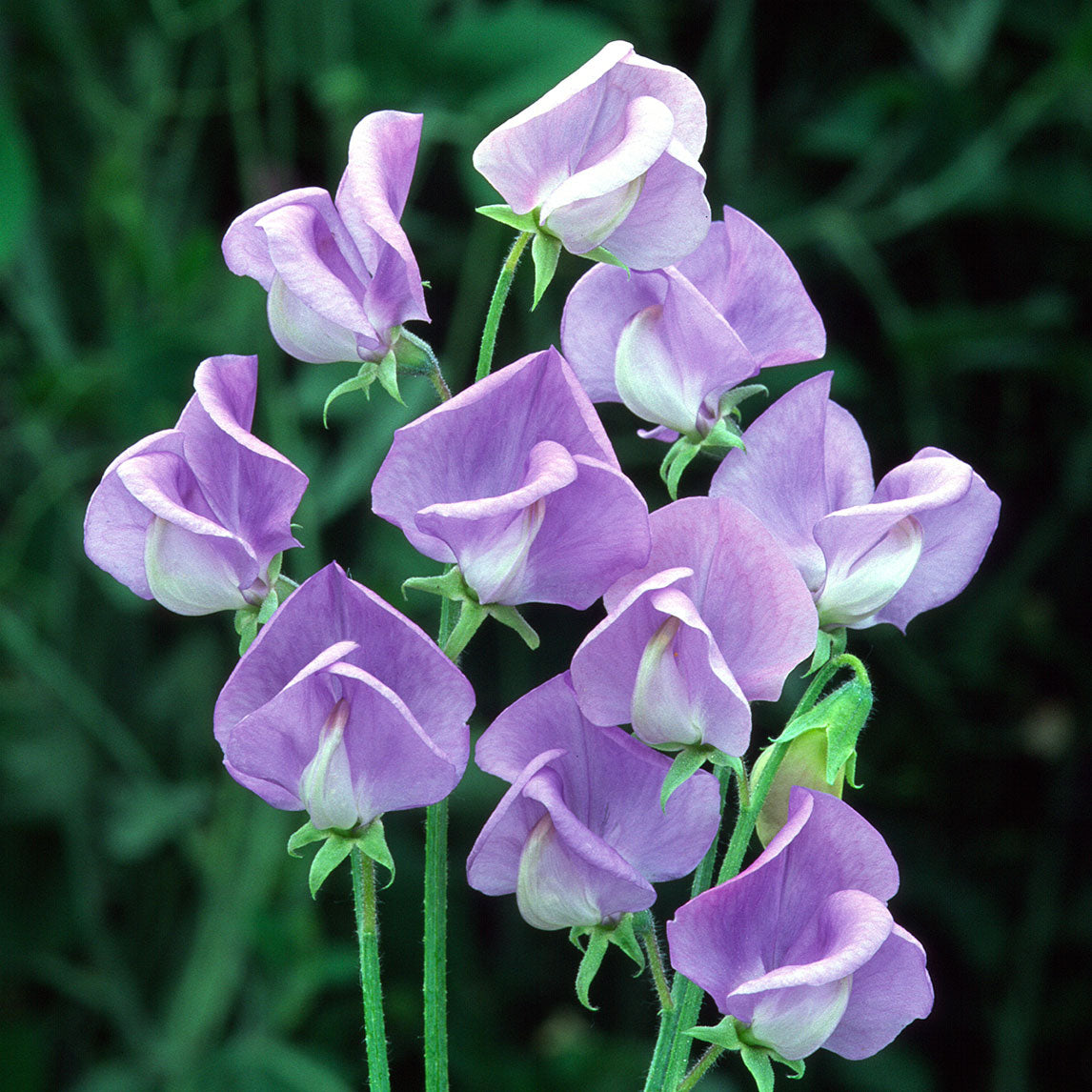
Sow the seeds approximately 1/2 inch deep in rich, well-drained soil. Unlike the tiny poppy seeds, sweet peas are large enough to benefit from being planted beneath the soil surface.
These climbing plants will eventually need support, so prepare a trellis, fence or other climbing structure before the vines become large.

The source recommends soaking the seeds overnight in room-temperature water before planting. This can help soften their tough seed coats.
Important: Sweet pea seeds and plant material are toxic if eaten, so keep them away from children and pets.
October tip: Fall sowing is most useful where winters are relatively mild and the plants can establish without being exposed to extreme conditions.
How to Direct Sow Flower Seeds in October
The USDA zones above are specifically recommendations for October sowing. They should not be treated as a guarantee that the plant cannot grow outside those zones. Soil temperature, winter conditions, frost timing and local microclimates can make a major difference.
In colder areas, it may be better to wait until after a hard freeze and use dormant sowing once the soil is cold enough to prevent seeds from germinating prematurely.
1. Prepare a clean seedbed
Remove weeds before sowing and loosen roughly the top 1–2 inches of soil. Tiny seedlings have a much easier time establishing when they aren’t competing with weeds.
2. Match the depth to the seed
Seed size matters. Larger seeds such as sweet peas can be planted deeper, while extremely small seeds such as poppies should remain at or very close to the soil surface.
As a general rule, smaller seeds should be sown more shallowly, although each species has its own preferred depth.
3. Don’t over-fertilize
A heavily fertilized fall seedbed isn’t necessarily better. Excess fertility can encourage soft leafy growth rather than the balanced development you want. Good soil structure and drainage are often more important for autumn sowing.
4. Keep the seedbed lightly moist
If October is dry, water gently enough to prevent the surface from becoming completely dry. Avoid strong streams of water that could move tiny seeds from their original location.
5. Mark every sowing area
Plant labels are surprisingly useful. Some spring seedlings look very similar to weeds, especially during the first few weeks after emergence.
6. Avoid thick mulch over tiny seeds
A heavy layer of mulch can make it difficult for small seedlings to emerge. This is particularly important for flowers whose seeds are intentionally left on or near the soil surface.
7. Follow the weather rather than the calendar
October 1 and October 25 can produce completely different planting conditions depending on your region. Soil temperature and the expected frost pattern are more useful guides than the date alone.
A Simple October Flower-Sowing Plan
| Flower | October Zones | Approximate Sowing Depth | Key Tip |
|---|---|---|---|
| Calendula | 7–11 | 1/4 inch | Use sunny, well-drained soil |
| Bachelor’s Buttons | 7–10 | 1/4 inch | Thin seedlings to about 8 inches |
| Annual Larkspur | 5b–10 | 1/4 inch | Wait for soil around 55°F or cooler |
| Love-in-a-Mist | 5–8 | Very shallow | Needs some light to germinate |
| Shirley Poppies | 3–10 | Surface | Press seeds into soil; don’t cover |
| Ladybird Poppies | 8–10 | Surface | Mark the planting area |
| Sweet Peas | 8–10 | 1/2 inch | Soak overnight and provide support |
Get a Head Start on Spring Without Indoor Seed Trays
October direct sowing can make spring gardening much easier when the timing matches your climate. Instead of keeping trays of seedlings under lights or on windowsills, you can let suitable hardy flowers experience the natural seasonal cycle outdoors.
Calendula, bachelor’s buttons, annual larkspur, love-in-a-mist, Shirley poppies, Ladybird poppies and sweet peas each have different requirements, so the most important thing is not treating every seed the same.
Check your soil temperature, prepare a clean bed, sow each flower at the appropriate depth and mark where you planted. With the right conditions, winter can quietly do some of the work for you, leaving your garden ready for a colorful spring display.