
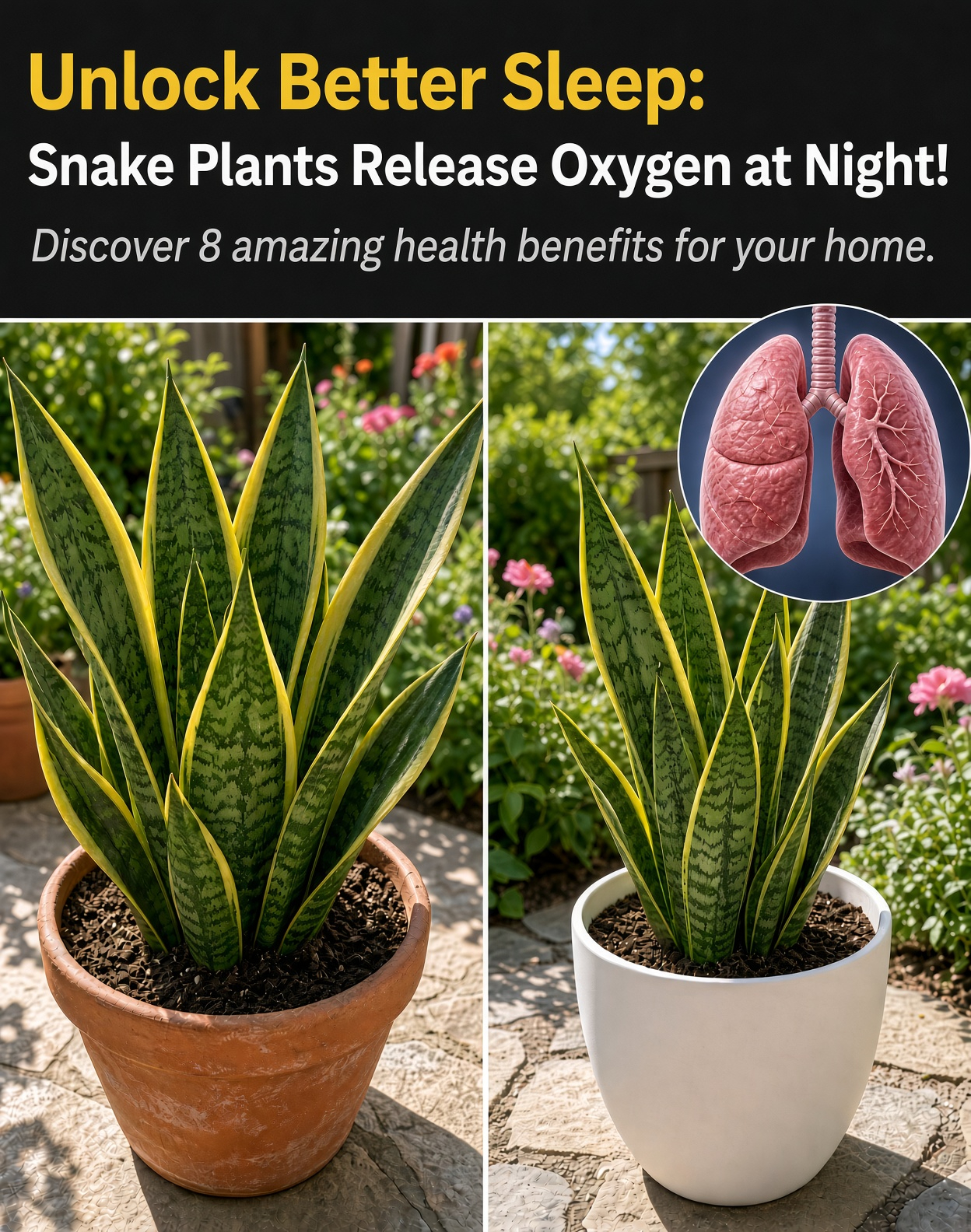
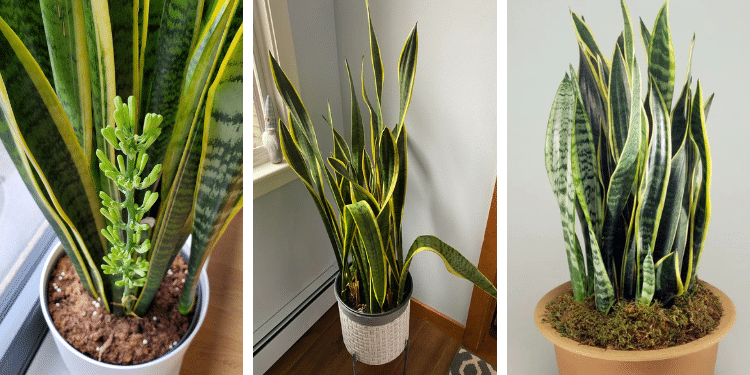
Few houseplants combine good looks and toughness quite like the snake plant. Also known as Dracaena trifasciata and formerly classified as Sansevieria trifasciata, this upright plant is recognized by its stiff, sword-shaped leaves and distinctive green patterns.
It has become a favorite for beginners because it can tolerate conditions that would quickly stress many other houseplants. It also fits naturally into bedrooms, living rooms, offices, hallways, and other indoor spaces where a tall, architectural plant can make an impact without taking up much floor area.
Beyond its appearance, there are several practical reasons why snake plants remain such popular houseplants. Here are eight worth knowing.
1. It Can Contribute to Better Indoor Air Quality
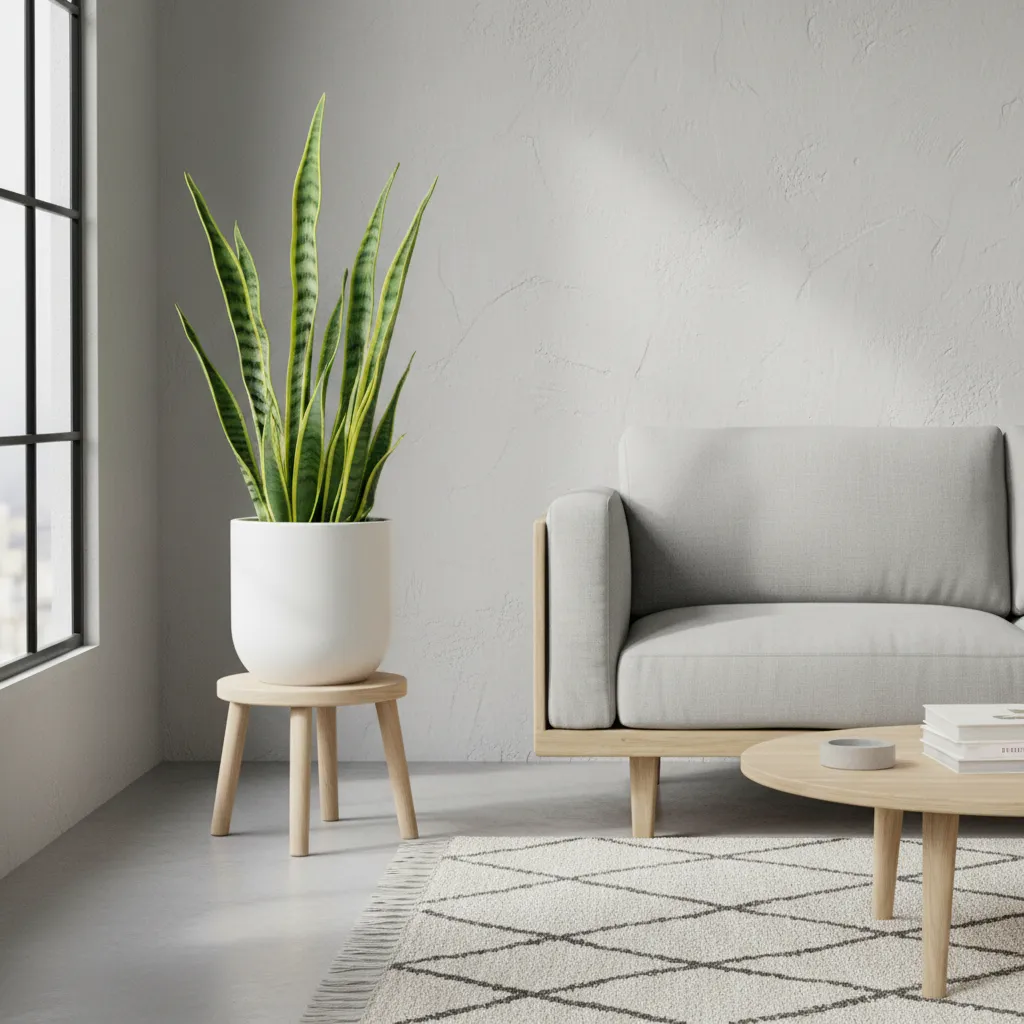
Snake plants are often associated with indoor air purification. Laboratory research on houseplants has shown that certain plants can remove some volatile organic compounds under controlled conditions.
That research is interesting, but it is important not to overstate what a single potted plant can accomplish in a normal home. A houseplant should not be considered a replacement for fresh-air ventilation, filtration, or other measures that improve indoor air quality.
What a snake plant can reliably provide is an attractive piece of living greenery that fits easily into indoor spaces. For many people, that alone makes it a useful addition to a home.
2. Its CAM Photosynthesis Makes It Interesting for Bedrooms

One unusual characteristic of snake plants is their use of Crassulacean Acid Metabolism, commonly called CAM photosynthesis. This adaptation allows them to open their stomata at night, helping them conserve water in dry environments.
Because of this unusual physiology, snake plants are frequently described as plants that release oxygen at night. The biological process is real, but the amount of oxygen produced by a typical household plant is too small to meaningfully transform the air of an ordinary bedroom.
Still, their ability to tolerate relatively low light, dry indoor air, and irregular watering makes them convenient bedroom plants. Their vertical growth also means they can add greenery without occupying much bedside space.
3. It Is Exceptionally Easy to Care For

If you regularly forget to water your plants, a snake plant may be a much better match than a thirsty tropical houseplant.
Snake plants can tolerate lower light than many decorative houseplants, although growth is usually stronger when they receive bright, indirect light. They also cope well with relatively dry indoor air.
The most common mistake is actually giving them too much attention—especially too much water. Their thick leaves and roots are adapted to storing moisture, so constantly wet soil can lead to serious root problems.
For long-term success, allow the potting mix to dry thoroughly before watering again and always use a container with good drainage.
4. Its Greenery Can Make a Space Feel More Relaxing
Plants can influence how an indoor space looks and feels. Adding natural elements to an office, study area, or living space can make the room feel more inviting and less sterile.
The snake plant is particularly suited to this role because its upright leaves create a clean, organized visual shape. It doesn’t sprawl across desks or require constant pruning, making it easy to incorporate into a workspace.
While claims that a particular plant directly treats anxiety or dramatically improves concentration should be treated cautiously, creating a pleasant environment with greenery can certainly make a room more enjoyable to spend time in.
5. It Makes a Strong Decorative Statement
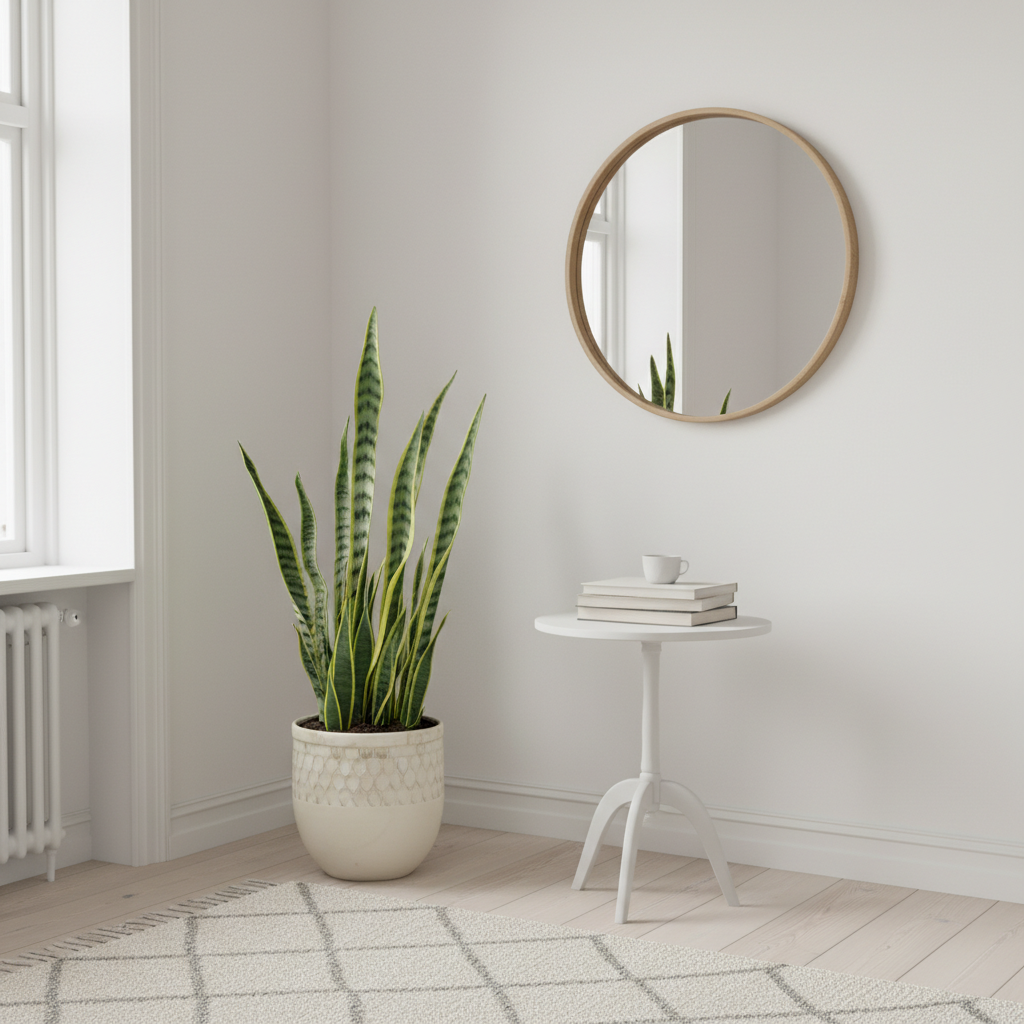
You don’t need dozens of houseplants to make a room look greener. A single mature snake plant can become a strong focal point.
Its tall leaves add vertical height, which makes it particularly useful in empty corners, beside furniture, near entryways, or next to large windows with suitable indirect light.
Snake plants also pair well with modern and minimalist interiors. A simple ceramic planter can emphasize the plant’s architectural form without making the space feel crowded.
Because the plant grows relatively slowly and maintains its upright structure, it doesn’t demand constant rearranging or pruning.
6. It Tolerates Dry Indoor Conditions
Snake plants are not tropical humidity lovers that need frequent misting. Their thick leaves are adapted to conserving water, which makes them comfortable in many homes with relatively dry indoor air.
This can be particularly convenient during winter when indoor heating reduces humidity. Unlike some delicate tropical plants, snake plants generally don’t require a humidifier or daily misting routine simply to stay healthy.
However, this doesn’t mean that a snake plant will significantly humidify an entire room. Its main advantage is that it tolerates ordinary indoor dryness rather well.
7. It Has Long Been Associated With Protection and Good Fortune

Snake plants have also developed a cultural reputation beyond their horticultural qualities. In some Feng Shui and other traditions, their upright, pointed leaves are associated with protection, strength, resilience, and positive energy.
Some people therefore choose to position snake plants near entrances or in living areas. These are cultural and symbolic beliefs rather than scientifically established effects, but they can still be part of the reason someone enjoys keeping the plant at home.
Even without following any particular tradition, an attractive plant beside an entrance can create a welcoming first impression.
8. It Can Live for Many Years and Produce New Plants
A healthy snake plant can remain part of your indoor collection for many years. As it matures, it may produce new shoots, often called pups, around the original plant.
These young plants can eventually be separated and grown independently when they are sufficiently developed. That makes snake plants particularly rewarding for gardeners who enjoy propagating houseplants.
Instead of buying another plant every time you want more greenery, you can gradually expand your collection from an established specimen. Mature pups can also make thoughtful gifts for friends and family.
Where Should You Put a Snake Plant?
One reason snake plants are so versatile is that they can adapt to many parts of a home.
- Bedroom: Their upright growth makes them easy to fit into corners or beside furniture.
- Living room: A larger specimen can act as a natural focal point.
- Home office: Their low-maintenance nature means they don’t require constant attention during work.
- Entryway: A tall snake plant can add height near an entrance.
- Bathroom: A bathroom with suitable natural light can work well.
Try to avoid placing the plant directly beside a very cold draft or in a location where water is likely to remain trapped in the pot.
Simple Snake Plant Care Tips
Although snake plants are forgiving, a few basic habits will help them stay attractive for years.
- Let the soil dry: Wait until the potting mix has dried thoroughly before watering again.
- Use drainage: Choose a pot with drainage holes so excess water can escape.
- Avoid standing water: Don’t allow the plant to sit in a saucer full of water.
- Provide suitable light: Low light is tolerated, but bright indirect light generally supports stronger growth.
- Don’t overwater in winter: Reduced light and cooler conditions usually mean the soil dries more slowly.
- Keep the leaves clean: Wipe away accumulated dust gently when necessary.
Final Thoughts
The snake plant has earned its popularity for good practical reasons. It has an unmistakable appearance, tolerates a range of indoor conditions, and generally requires far less attention than many other houseplants.
Its CAM photosynthesis, cultural symbolism, ability to produce new shoots, and tolerance of dry conditions add further interest. Some popular claims about air purification, sleep, and health are often overstated, so it is better to view the snake plant primarily as a hardy and attractive houseplant rather than a substitute for ventilation or other health measures.
Give it well-draining soil, avoid excessive watering, provide appropriate light, and it can remain a beautiful part of your home for years.