
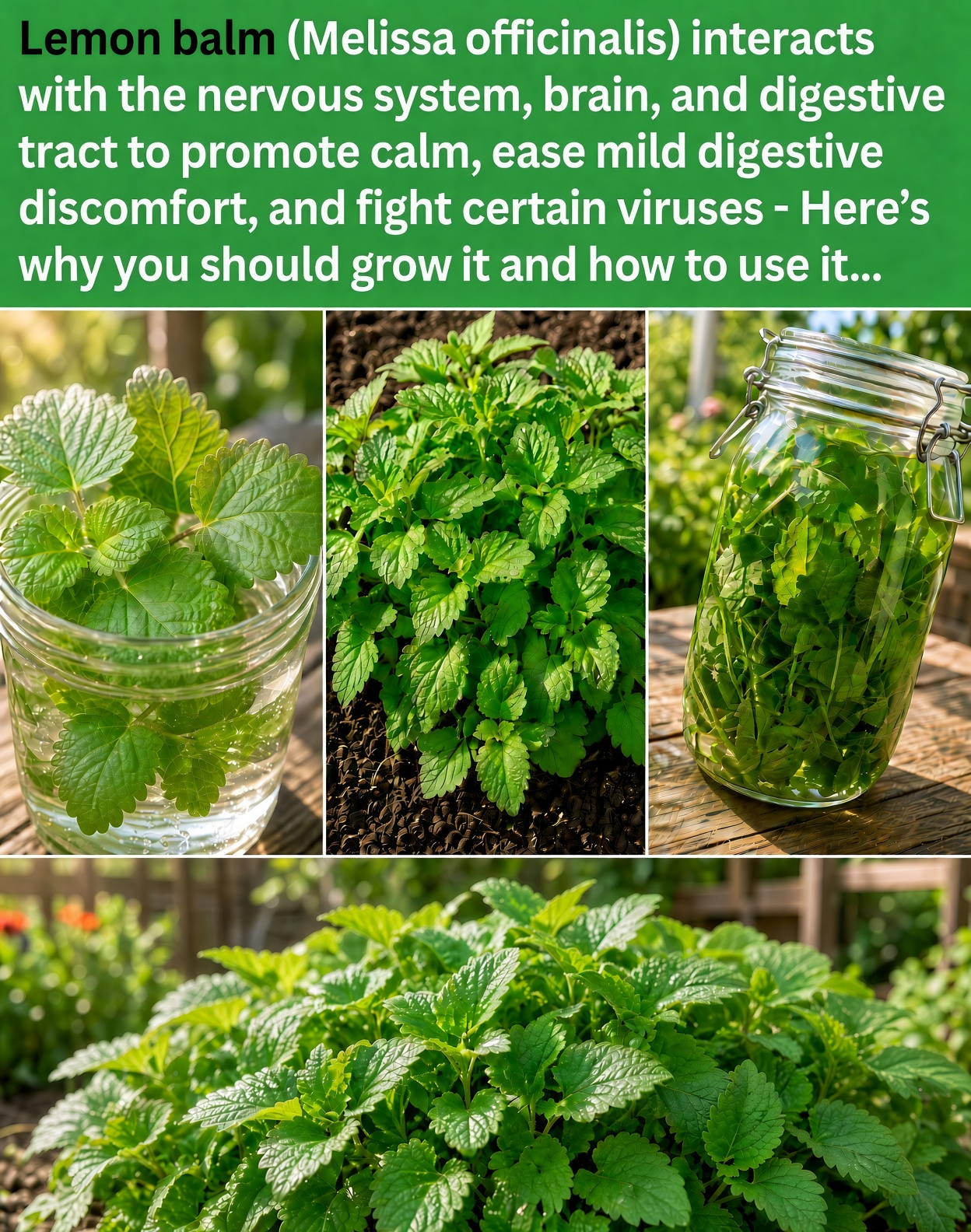
If you want an herb that is attractive, fragrant, useful, and relatively easy to grow, lemon balm deserves a place on your gardening list. Its bright green, textured leaves release a fresh lemony aroma when touched, and the plant can produce small flowers that are attractive to pollinators.
Lemon balm belongs to the mint family and is a perennial in suitable climates. It can be grown in garden beds, containers, herb gardens, and other small spaces. Once established, it can provide fresh leaves for much of the growing season.
But its appeal goes beyond simply having another herb in the garden. From making a refreshing caffeine-free tea to attracting beneficial insects, here are 12 reasons to give lemon balm a try.
1. Lemon Balm Is Easy to Grow

Lemon balm is a forgiving herb, making it a useful choice for gardeners who are still learning the basics of growing herbs.
It can grow in full sun or partial shade, although brighter conditions generally encourage stronger, fuller growth. Give it reasonably fertile, well-drained soil and regular moisture while it establishes.
You can start lemon balm from seed, cuttings, or divisions. Once established, it can regrow vigorously after harvesting.
2. Its Leaves Have a Wonderful Lemon Scent

The easiest way to appreciate lemon balm is to gently rub one of its leaves between your fingers. The foliage releases a bright citrus-like fragrance that makes the plant especially pleasant to keep near paths, patios, or seating areas.
The scent also makes freshly harvested leaves useful for drinks, desserts, salads, and homemade herbal preparations.
3. It Can Add Pollinator-Friendly Flowers to the Garden

When lemon balm is allowed to flower, its small pale blossoms become a useful source of nectar for bees and other visiting insects.
Growing flowering herbs alongside vegetables, fruit plants, and ornamental flowers can help create a more diverse garden habitat. If attracting pollinators is one of your priorities, allowing at least some lemon balm stems to bloom can be worthwhile.
4. It Makes a Delicious Caffeine-Free Herbal Tea

One of the simplest ways to use a harvest of lemon balm is to make tea. Fresh leaves have a light citrus-mint character, while dried leaves provide a convenient supply for later use.
To make a simple infusion, place fresh or dried leaves in a cup or teapot, cover with hot water, and allow them to steep before straining.
You can enjoy the tea on its own or combine lemon balm with other culinary herbs for a different flavor.
5. Fresh Leaves Are Useful in the Kitchen

Lemon balm’s delicate flavor works particularly well in recipes where a fresh lemony accent is useful.
- Fruit salads
- Green salads
- Homemade lemonade
- Iced herbal drinks
- Smoothies
- Fresh desserts
- Herb butter and sauces
- Infused water
For the strongest fresh flavor, add tender leaves toward the end of preparation rather than cooking them for a long time.
6. It Is Excellent for Small-Space Gardening

You do not need a large backyard to grow lemon balm. A container with drainage holes can provide enough room for a productive plant.
Container growing also gives you more control over the plant’s spread. This is particularly useful because lemon balm can become vigorous when planted directly in the ground.
Place the container where it receives good light and keep the soil reasonably moist without leaving it waterlogged.
7. Regular Harvesting Encourages Fresh Growth

Lemon balm responds well to being cut back. Instead of waiting until the plant becomes tall and unruly, harvest the tender stems regularly throughout the growing season.
Cutting the growing tips encourages branching lower down the plant. With repeated harvesting, this can help produce a fuller-looking mound of fresh foliage.
The harvested leaves can immediately go into the kitchen, while larger harvests can be dried or frozen for later use.
8. It Can Be Dried for Year-Round Use

A productive plant can provide more fresh leaves than you can use at once. Drying is one way to preserve part of that harvest.
Harvest healthy stems, remove damaged leaves, and dry them in a clean, well-ventilated place away from strong direct sunlight. Once completely dry and crisp, store the leaves in an airtight container.
Properly dried leaves can later be used for herbal infusions, sachets, or culinary projects.
9. It Can Be Used to Make Refreshing Homemade Drinks
Fresh lemon balm is especially useful during warm weather. Add washed leaves to cold water, lemonade, iced tea, or other non-alcoholic drinks for a subtle herbal-citrus character.
You can also freeze small pieces of fresh leaf into ice cubes and add them to a glass of water or iced tea.
Because the leaves are delicate, add them shortly before serving when you want to preserve their fresh aroma.
10. It Gives the Garden an Attractive Herb-Garden Texture

Lemon balm is useful not only for harvesting but also as a green garden plant. Its softly textured leaves and upright growth can fill empty spaces in an herb bed.
It also combines naturally with other culinary herbs and pollinator-friendly plants. Keep in mind that it can spread, so a container or defined planting area may be preferable if you want to keep it contained.
11. It Has a Long History of Traditional Herbal Use

Lemon balm has been used traditionally for centuries and has a long history in European herbal practices. Its pleasant aroma and traditional use in herbal infusions helped make it a familiar household herb.
Modern research has investigated lemon balm for several potential effects, including its influence on mood, sleep, digestion, and cognitive performance. However, research findings vary by preparation and study, so traditional use should not be treated as proof that lemon balm can prevent or treat a medical condition.
For ordinary gardening purposes, one of its biggest advantages is simply having a versatile, fragrant herb available whenever you want it.
12. One Plant Gives You Many Different Uses

Perhaps the best reason to grow lemon balm is its versatility. A single healthy plant can provide fresh leaves for everyday use while also supplying material for preserving and simple homemade projects.
- Fresh leaves: Use in salads, fruit dishes, drinks, and desserts.
- Dried leaves: Keep for herbal infusions and fragrant sachets.
- Frozen leaves: Freeze chopped leaves in ice cubes for cold drinks.
- Flowering stems: Leave some plants unharvested to provide flowers for visiting pollinators.
- Garden cuttings: Use regular pruning to keep the plant compact while collecting useful foliage.
How to Grow Lemon Balm Successfully

Give lemon balm a sunny to partially shaded location and soil that drains well while retaining some moisture. Water consistently while young, especially during hot or dry periods, but avoid keeping the roots permanently saturated.
Once established, harvest the growing tips regularly. If the plant starts becoming too large, cut it back rather than allowing it to take over neighboring plants.
If you are planting lemon balm directly into the garden, give it enough space and keep its spreading habit in mind. Containers are an excellent option when you want a more controlled plant.
Quick Lemon Balm Growing Guide
| Need | Best Approach |
|---|---|
| Light | Full sun to partial shade |
| Soil | Fertile, well-drained soil with reasonable moisture |
| Water | Keep young plants evenly supplied with moisture; avoid waterlogged soil |
| Container growing | Use a pot with drainage holes and enough room for the roots |
| Harvesting | Cut tender stems regularly during active growth |
| Pruning | Trim back tall growth to encourage a fuller plant |
| Flowers | Allow some stems to bloom if you want to support visiting pollinators |
Final Thoughts
Lemon balm is one of those herbs that earns its space in the garden in several different ways. It is fragrant, attractive, productive, useful in the kitchen, and appealing to pollinators when allowed to flower.
It can be grown in the ground or in containers, harvested repeatedly, enjoyed fresh, and preserved for later use. Its traditional herbal history adds another layer of interest, while its simple growing requirements make it accessible to beginners.
If you have room for only one additional perennial herb, lemon balm is certainly worth considering. Just give it enough light, keep the soil reasonably moist and well drained, harvest it regularly, and keep an eye on its spreading habit.