
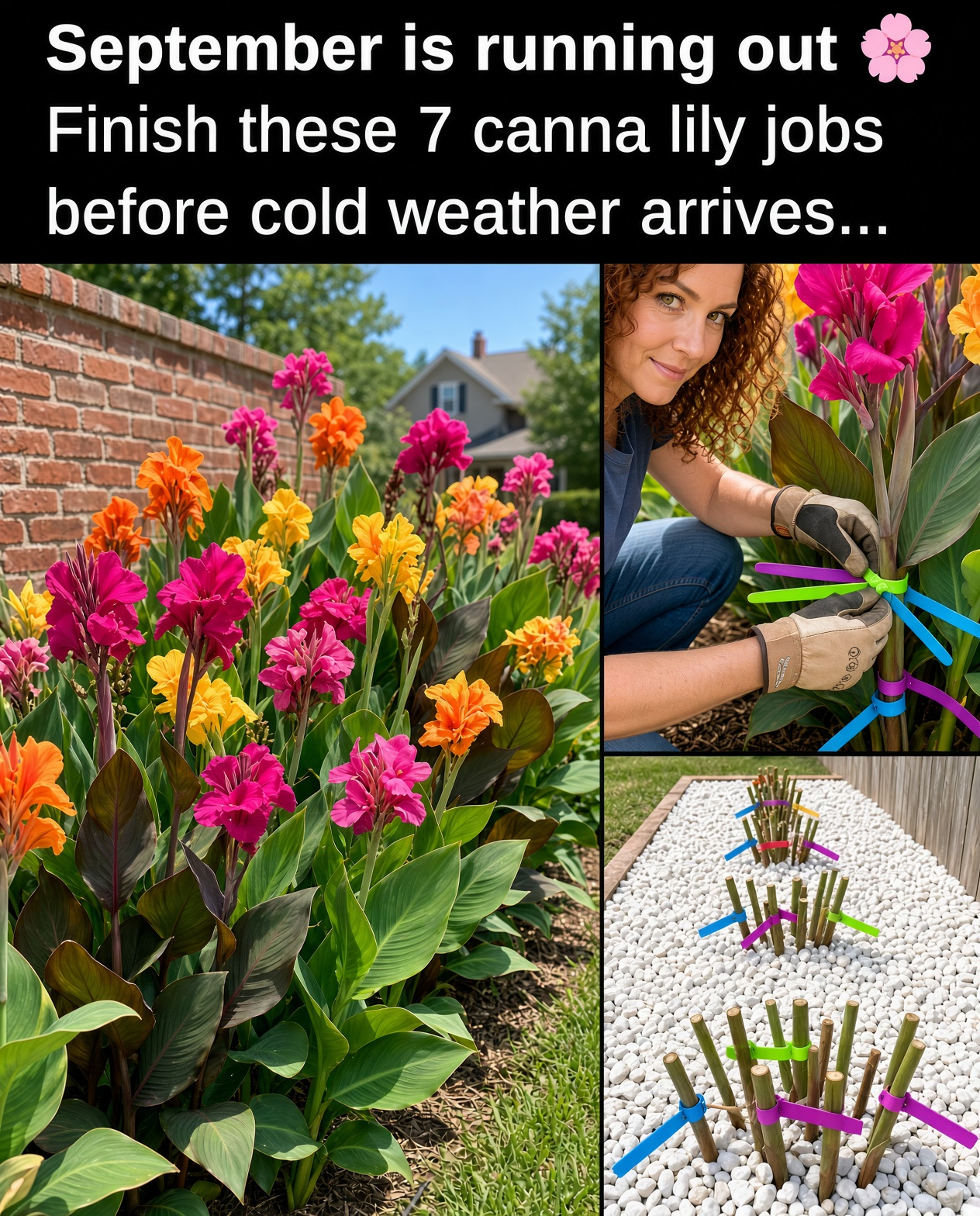
What you do now can make a big difference to the health of your canna rhizomes and the strength of next year’s growth. Instead of cutting everything back immediately, September is the time to gradually prepare your cannas for dormancy while allowing healthy foliage to keep feeding the rhizomes.
Here are seven simple canna lily tasks to take care of before frost arrives.
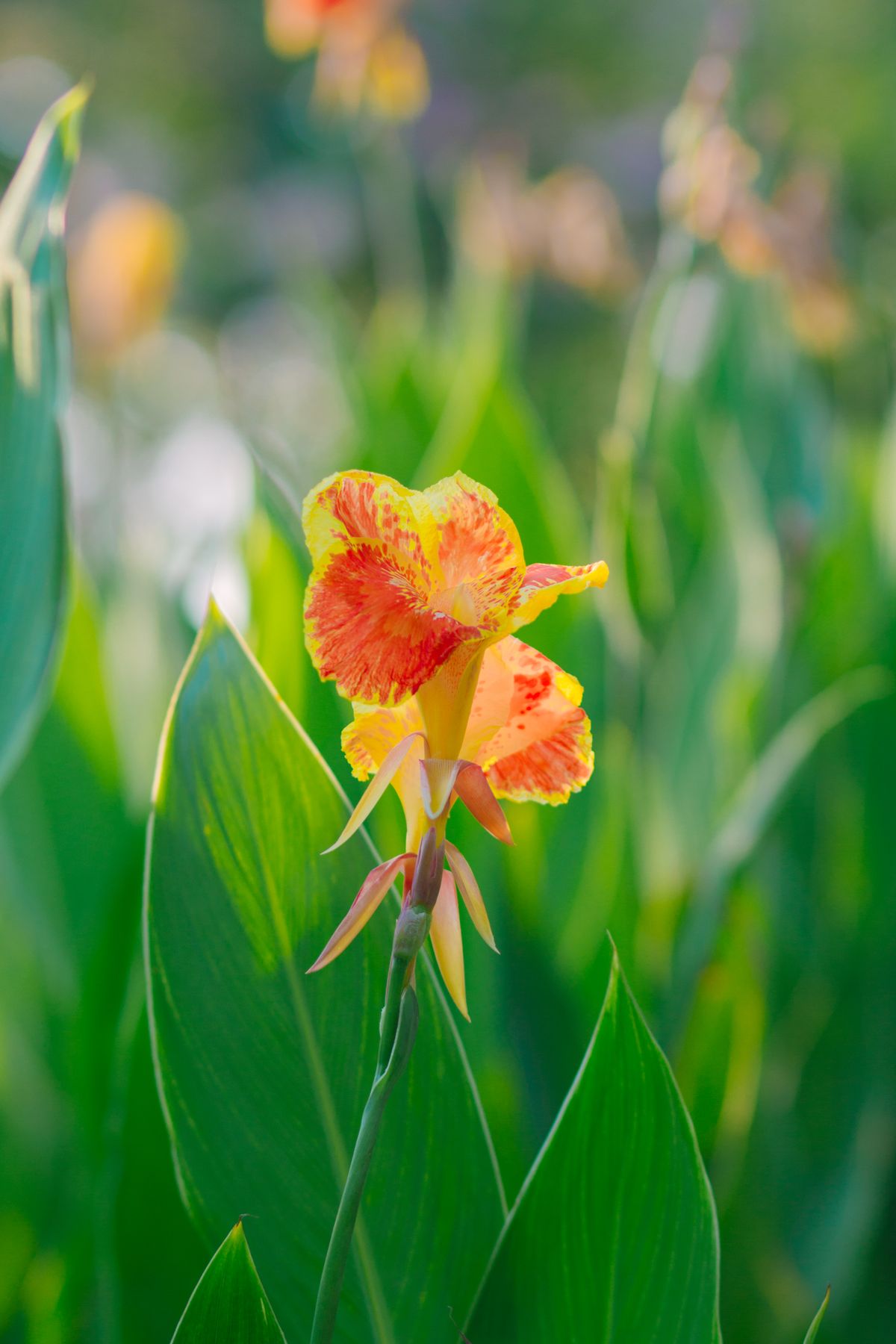
1. Remove Faded Canna Flowers and Seed Pods
If your canna lilies are still producing flowers in September, continue removing blooms that have finished flowering. Spent flowers can eventually develop seed pods, and allowing the plant to focus heavily on seed production isn’t particularly useful when your main goal is to preserve strong rhizomes for next year.
Use clean, sharp pruning shears to remove faded flowers before they develop large seed pods. If an entire flower stalk has finished blooming, you can remove the finished portion while leaving healthy leaves and newer shoots intact.
Don’t feel that you need to cut the entire plant down simply because individual flowers have faded. Canna lilies can continue producing new flowers while the foliage remains healthy.
What to remove
- Faded flowers
- Developing seed pods if you don’t want seeds
- Completely finished flower stalks
- Clearly dead or diseased plant material
Leave healthy green leaves alone for now. They are still doing valuable work.
2. Keep Healthy Green Foliage in Place
This is one of the easiest September mistakes to make. Your canna may begin looking a little tired after months of summer growth, but that doesn’t automatically mean it’s time for a major haircut.
Green leaves are still photosynthesizing. The energy produced by those leaves helps the plant prepare its underground rhizomes for dormancy and the following growing season.

Even if the leaves have a few holes or look slightly weathered, don’t remove them simply for cosmetic reasons. Instead, watch for genuine signs of disease, severe damage, or natural frost injury.
In many gardens, the best approach is to allow frost or natural dieback to signal when the plant is finished for the season.
3. Water Cannas During Dry September Weather
Cooler temperatures don’t necessarily mean your cannas no longer need water. Early fall can still bring surprisingly warm and dry periods, especially during the first half of September.
Check the soil before watering rather than following a rigid schedule. If the soil several inches below the surface is becoming noticeably dry, give the plant a thorough watering around the root zone.
A deep watering is generally more useful than frequent little splashes. Allow excess water to drain away afterward because constantly saturated soil can create problems for underground rhizomes.
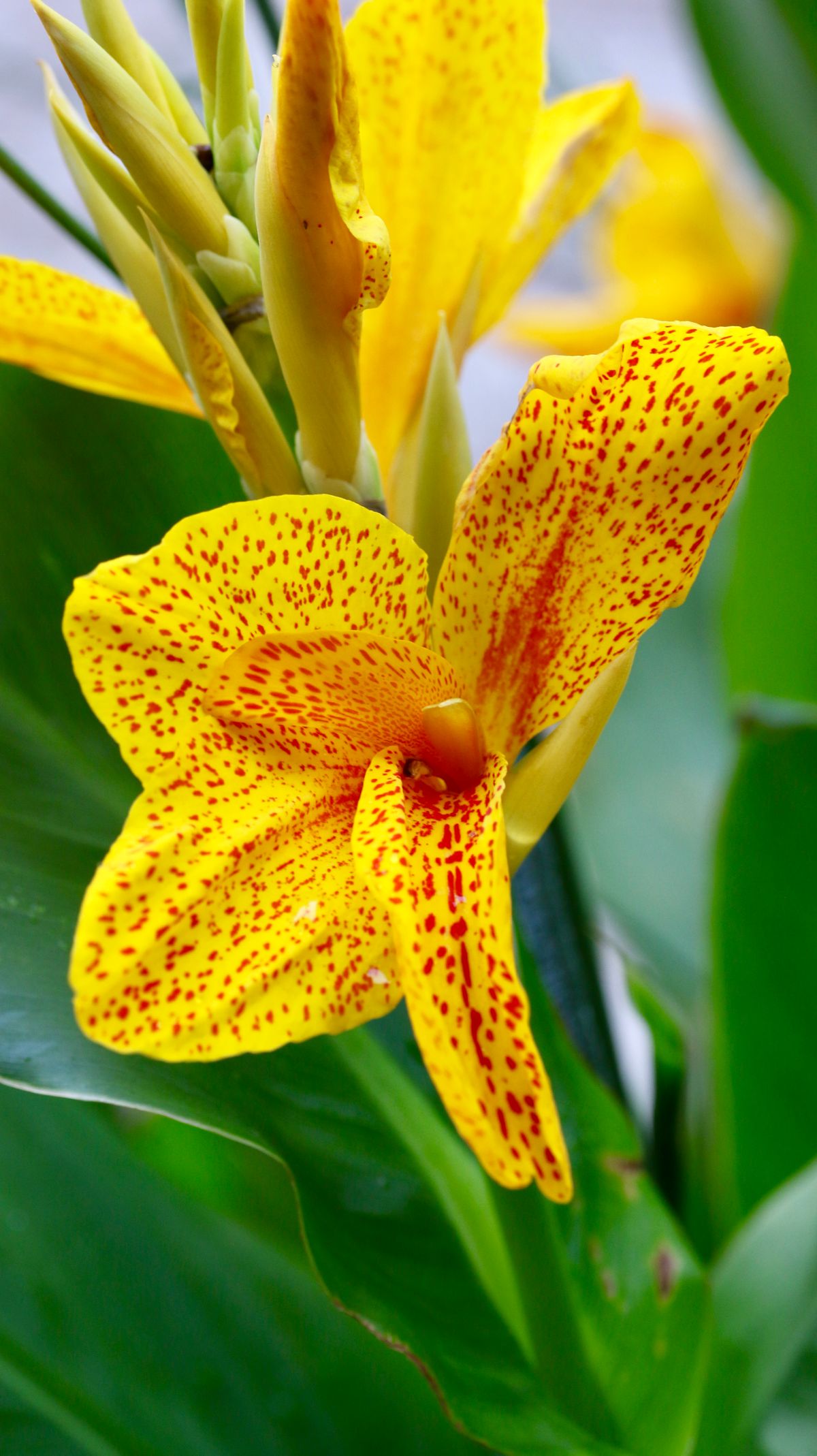
As temperatures fall and the plant naturally slows down, gradually reduce watering. The goal is moist but not waterlogged soil while the canna is still active.
4. Stop Fertilizing Canna Lilies Late in the Season
By September, your canna lilies have already had most of the growing season to produce leaves, stems, and flowers. Continuing to push new growth with fertilizer this late can work against your winter-preparation efforts.
In particular, avoid encouraging a flush of tender new foliage just as colder weather approaches. New growth is more vulnerable to frost than mature plant tissue.
Instead of trying to stimulate more growth, allow the plant to naturally transition toward dormancy.
Why late fertilizer can be unhelpful
- It can encourage tender new growth late in the season.
- That new growth may be damaged quickly by an early frost.
- The plant should be transitioning toward dormancy rather than producing lots of fresh foliage.
- There is little reason to push heavy top growth when winter is approaching.
If you’ve been fertilizing throughout summer, September is generally a good time to stop and let the plant finish its natural seasonal cycle.
5. Label Your Canna Varieties Before the Leaves Disappear
This small job can save you a surprising amount of confusion next spring.
If you grow several canna varieties, it’s easy to forget which clump produced orange flowers, which had red blooms, and which variety had particularly striking foliage. Once the leaves disappear and the rhizomes are out of the ground, identifying individual varieties becomes much harder.
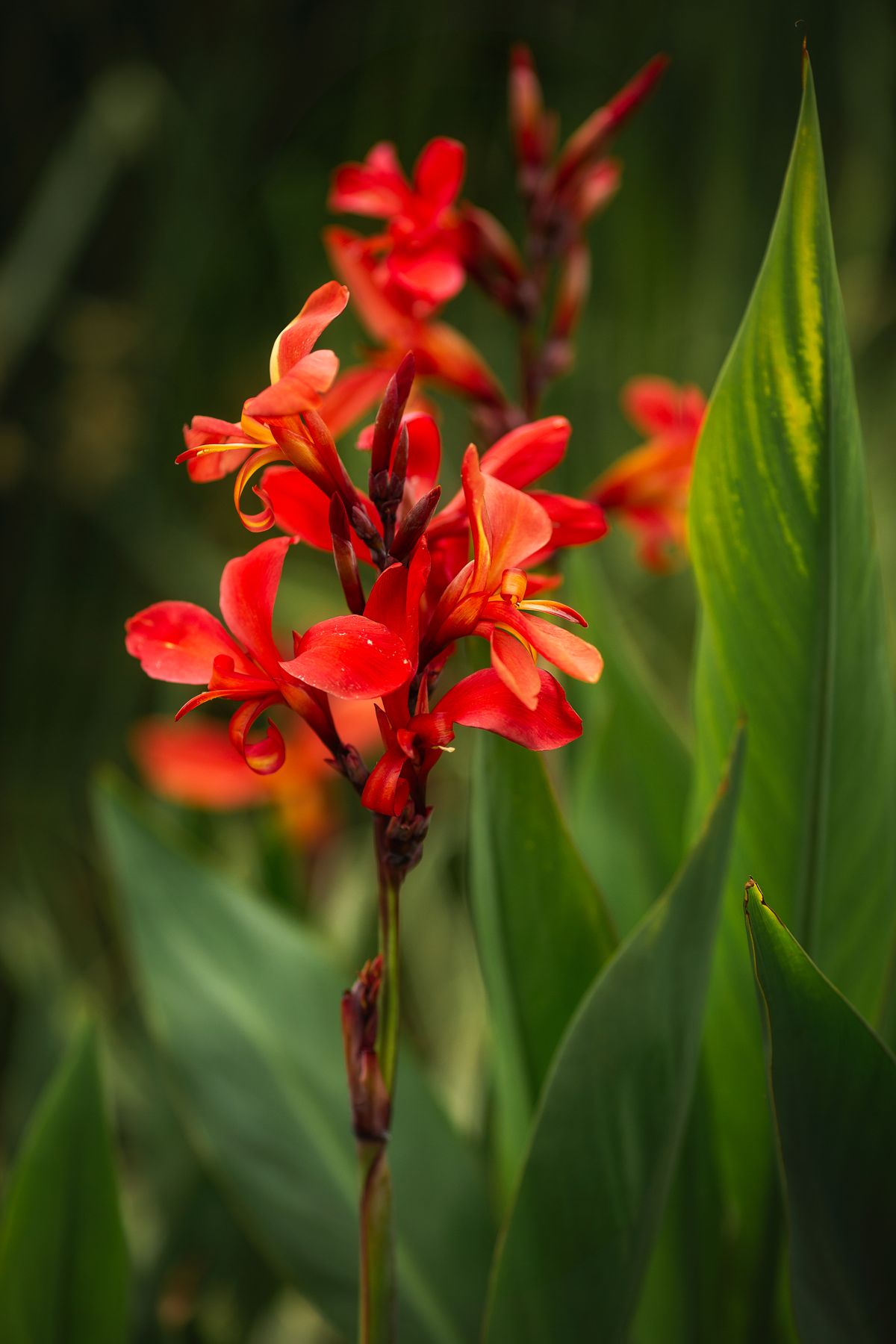
Use waterproof plant labels and write the variety name clearly. You can also record the flower color, foliage pattern, approximate height, and location in your garden.
Do this before frost damages the foliage. A few minutes of labeling now can make spring planting much easier.
6. Wait for Frost Before Cutting Cannas Back
One of the most important September canna lily tasks is actually knowing when not to cut the plants back.
If the foliage is still green and healthy, there is usually no need to cut the entire plant down simply because September has arrived.
In colder climates, a hard frost will usually turn the leaves dark and cause them to collapse. That natural damage is a much better signal that the growing season has ended.
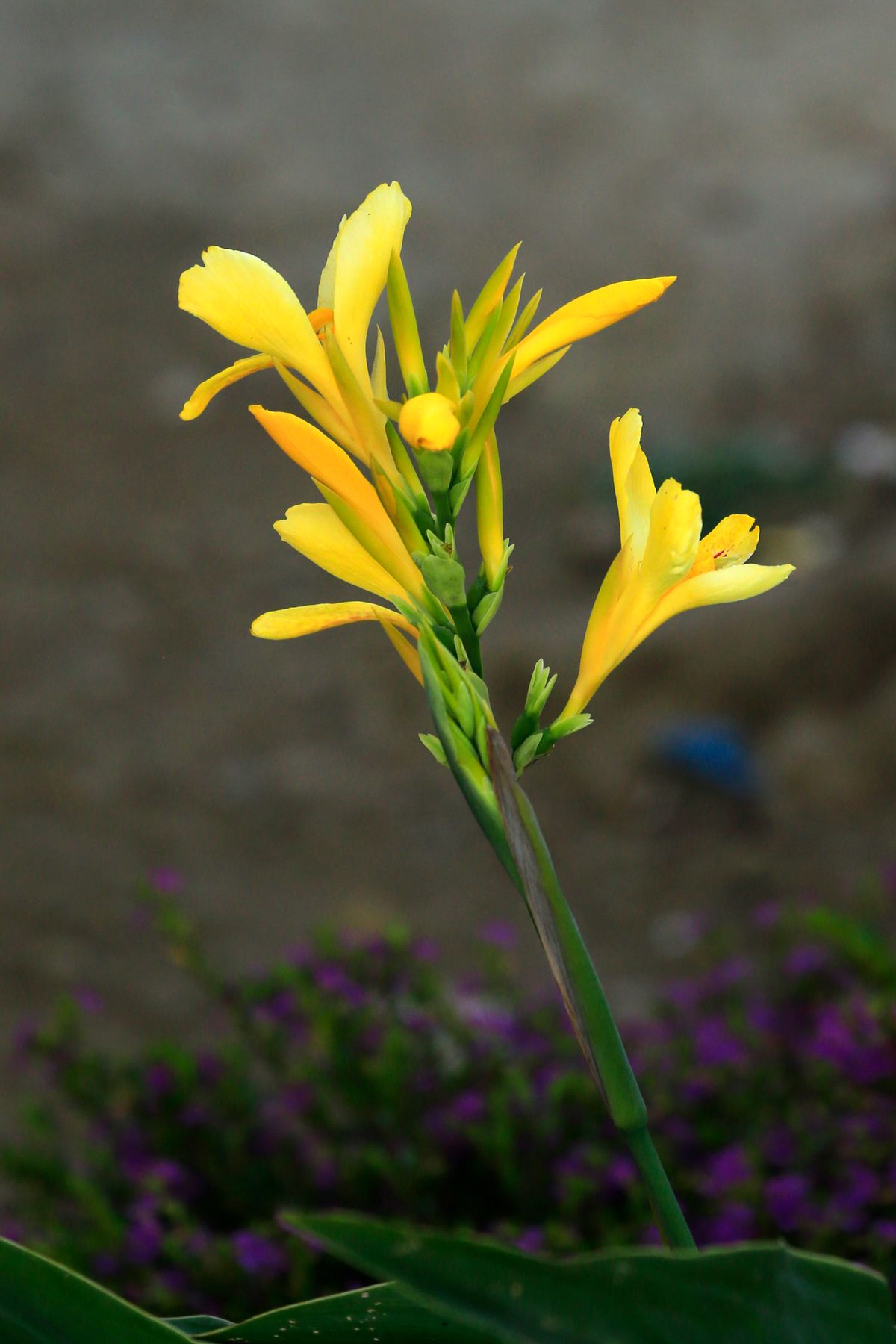
After frost has blackened and damaged the foliage, cut the stems back to a few inches above the soil. Removing the damaged top growth makes the plants easier to handle when you prepare the rhizomes for storage.
Always use clean pruning tools, especially if you have noticed disease on any plants.
7. Dig and Store Canna Rhizomes in Cold Climates
This final task depends heavily on your winter climate.
Canna lilies are much more likely to survive winter outdoors in mild climates. In colder areas where the ground freezes deeply, gardeners often dig the rhizomes and store them indoors during winter.
The timing matters. Wait until frost has damaged the foliage, then cut the stems back and carefully loosen the rhizome clump with a garden fork.
Lift the clump carefully and brush away excess soil. Don’t worry if you accidentally nick a rhizome, but inspect the entire clump and discard anything that is obviously soft, badly damaged, or showing signs of rot.
How to store canna rhizomes
- Wait until frost damages the foliage.
- Cut the stems back to a few inches.
- Lift the rhizome clump carefully with a garden fork.
- Remove excess soil without aggressively scrubbing the rhizomes.
- Allow them to dry briefly if they are wet.
- Pack them loosely in a dry storage material.
- Keep them in a cool, dark, frost-free location.
- Check them periodically during winter.
A storage temperature around 40–50°F (4–10°C) is commonly used for dormant rhizomes. The important thing is to avoid freezing temperatures and excessive moisture.
Check the rhizomes occasionally throughout winter. If one becomes noticeably soft or rotten, remove it so the problem doesn’t spread to healthy pieces.
Do You Need to Dig Up Cannas Every Year?
Not necessarily.
In warm climates, cannas can often remain in the ground through winter. In colder regions, however, freezing soil can kill the rhizomes, making indoor storage the safer approach.
Your local winter temperatures, soil drainage, and microclimate all matter. A sheltered garden can behave differently from an exposed, poorly drained site even within the same general hardiness zone.
If you leave cannas outdoors in a climate where they are marginally hardy, excellent drainage and a substantial layer of protective mulch can sometimes improve their chances. However, winter conditions can vary from year to year.
A Simple September Canna Lily Checklist
| Task | What to Do |
|---|---|
| Spent flowers | Remove faded blooms and unwanted seed pods. |
| Foliage | Keep healthy green leaves until frost or natural dieback. |
| Watering | Water deeply when the soil becomes dry, then reduce as growth slows. |
| Fertilizer | Stop routine feeding as the season winds down. |
| Labels | Mark varieties before foliage disappears. |
| Cutting back | Wait for frost damage before making the major cutback. |
| Rhizomes | Dig and store them where winter temperatures are too cold for outdoor survival. |
Final Thoughts
September isn’t the time to panic and cut your canna lilies down at the first hint of cooler weather. The plants still have useful work to do while their foliage remains green.
Keep watering during dry spells, stop pushing new growth with fertilizer, remove spent flowers, label your varieties, and leave healthy foliage in place. When frost finally damages the leaves, that’s your signal to make the final cleanup and, in colder climates, prepare the rhizomes for winter storage.
A little patience in September can make spring much easier. With healthy rhizomes protected from winter damage, your cannas can return ready to put on another spectacular display when the next growing season begins.