
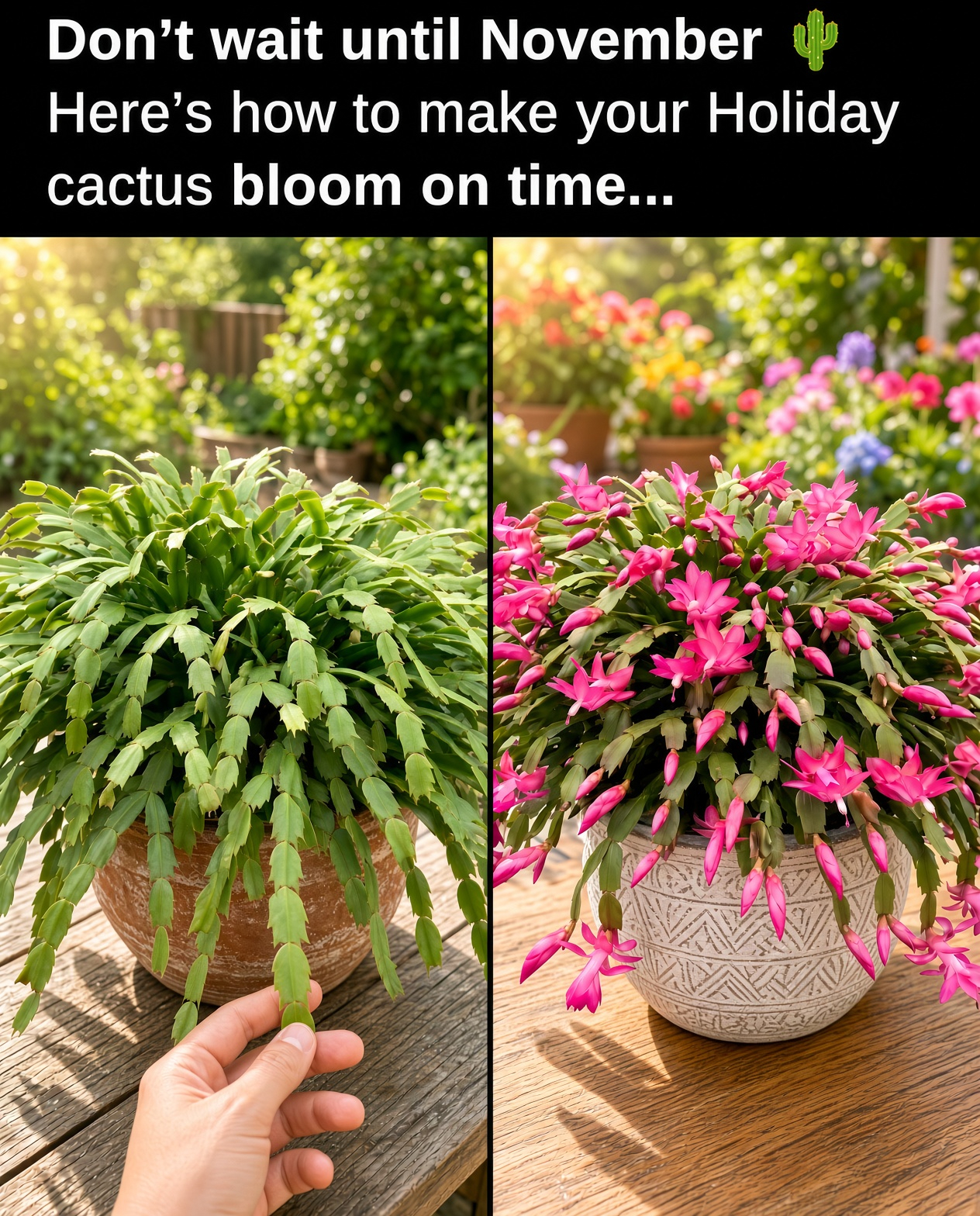
A Thanksgiving cactus can finish its holiday display and still have plenty of blooming potential left. With the right combination of light, darkness, temperature, watering, and patience, a healthy plant may produce another round of flowers after its main bloom.
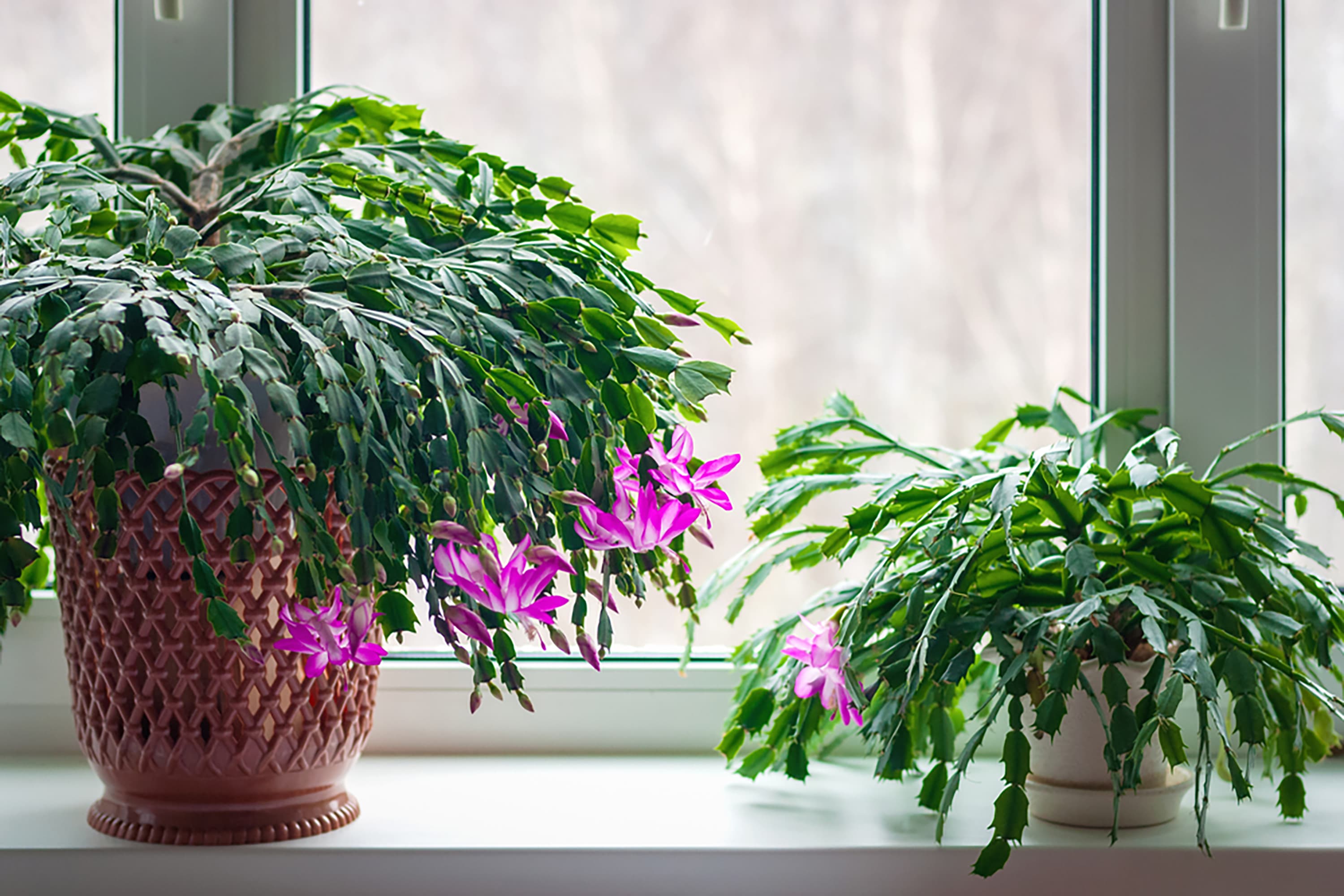
The key is understanding that this is not a typical desert cactus. Thanksgiving cactus (Schlumbergera truncata) is a rainforest epiphyte, so it appreciates bright filtered light, reasonable moisture, humidity, and good drainage. It also responds strongly to changes in day length and temperature when it is preparing to flower.
Can a Thanksgiving Cactus Bloom Again After the Holidays?
Yes. A Thanksgiving cactus can sometimes flower again after its main autumn or early-winter display. Secondary blooming is not guaranteed, but healthy plants can produce another flush when they receive favorable conditions.
After the first flowers fade, don’t immediately treat the plant like a dormant desert cactus. Instead, give it a short period of gentler care, then encourage new growth before preparing it for another flowering cycle.
The most important signals for flowering are long, uninterrupted nights and cooler temperatures. Holiday cacti are short-day plants, meaning their flower buds are triggered as the nights become longer. Extension experts recommend roughly 12–14 hours of uninterrupted darkness during the bud-setting period, along with cooler nighttime temperatures.
1. Give Your Thanksgiving Cactus Longer Nights
If your cactus has finished flowering and you want to encourage another round, darkness is one of the first things to consider.
For several weeks, aim for about 12–14 hours of uninterrupted darkness each night. During the day, return the plant to a bright location with plenty of indirect light.
This does not mean leaving your cactus in darkness all day. It still needs light during daytime hours to maintain healthy growth and build energy.
Keep Artificial Light Away at Night
A plant sitting beside a lamp, television, kitchen light, or frequently used hallway may not receive the long, dark night it needs for reliable bud formation. Even though the room may look dark to you, regular artificial light can interfere with the seasonal signal the plant uses to begin flowering.
A spare bedroom or another room that stays naturally dark at night can make this much easier. Once flower buds begin developing, avoid constantly changing the plant’s environment.
2. Give It Cooler Nights
Darkness works together with temperature. During the flowering-conditioning period, Thanksgiving cactus generally responds well to cooler nights than the temperatures it experiences during active summer growth.
A practical target is around 55–65°F (13–18°C) at night, while daytime temperatures can remain somewhat warmer.
You don’t need to make the plant extremely cold. In fact, sudden cold exposure can do more harm than good. Keep the cactus away from freezing temperatures, cold drafts, and abrupt temperature changes.
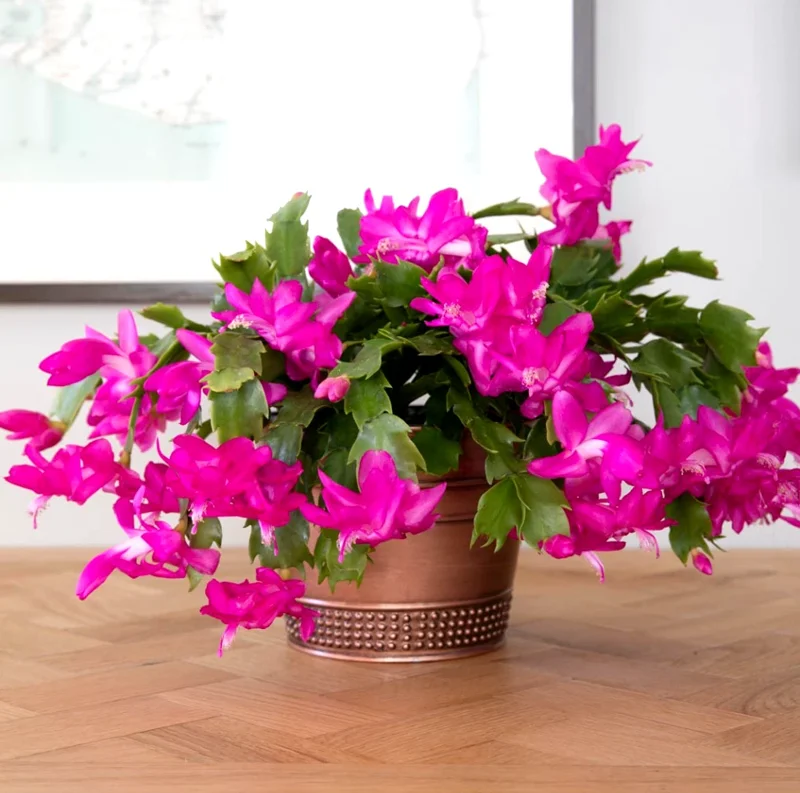
3. Adjust Watering Without Letting the Plant Wilt
One of the easiest mistakes is assuming that because it is a cactus, it should be kept almost completely dry. Thanksgiving cactus is very different from many desert cacti.
It comes from humid forest environments and needs more moisture than a typical desert cactus. At the same time, constantly wet soil can cause serious root problems.
During the post-bloom period and while preparing for another flowering cycle:
- Check the potting mix before watering.
- Water when the upper part of the soil has dried.
- Water thoroughly rather than giving tiny amounts every day.
- Allow excess water to drain completely.
- Never leave the pot sitting in a saucer full of water.
The goal is moderate, consistent moisture, not either extreme of constantly soggy soil or prolonged drought.
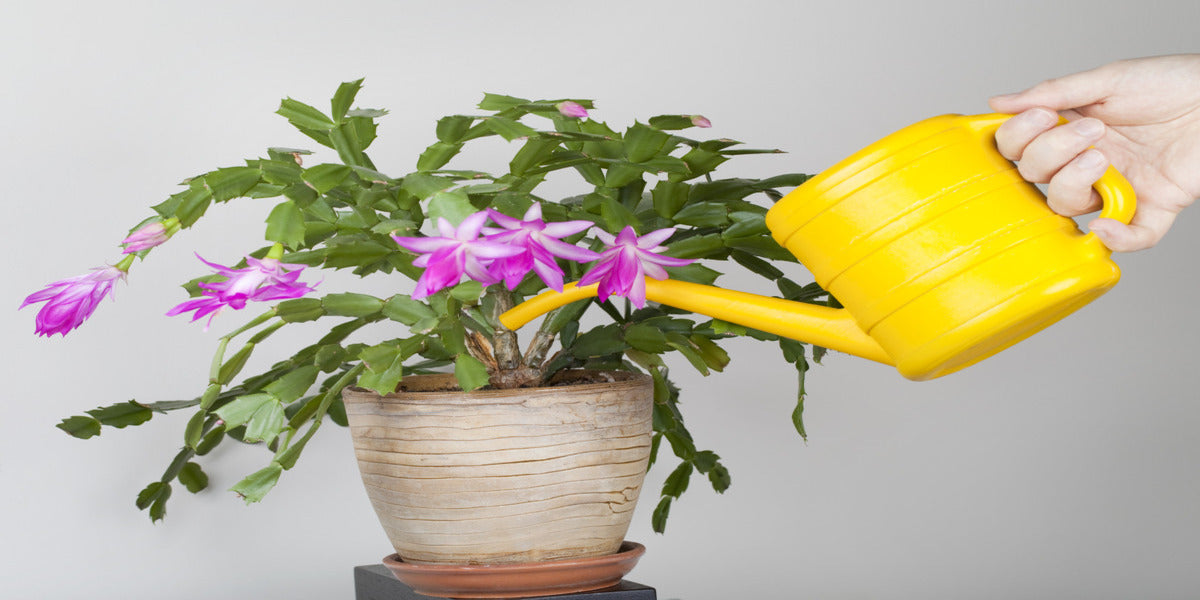
4. Give It Bright, Indirect Light During the Day
Once the plant is awake for the day, give it plenty of bright but filtered light. An east-facing or bright window with protection from harsh direct afternoon sunlight can work well.
Too little light can result in weak growth and fewer flowers. On the other hand, strong direct sun can scorch or discolor the flattened stems.
If your plant spends part of the year outdoors, choose a sheltered position with bright shade or filtered light rather than placing it in intense midday sun.
5. Stop Fertilizing While Buds Are Forming
Fertilizer is useful when the plant is actively growing, but more fertilizer does not automatically mean more flowers.
During the flowering-conditioning period, avoid pushing the plant with heavy feeding. Excessive fertilizer, particularly nitrogen, can encourage leafy growth when what you really want is flower formation.
Resume a normal feeding routine when the plant returns to active growth in spring, following the directions on a balanced houseplant fertilizer.
6. Once Buds Appear, Leave the Plant Alone
This is where patience becomes especially important.
Once you see small flower buds developing at the ends of the stem segments, avoid making major changes. Don’t suddenly move the plant to a different window, repot it, place it beside a heater, or expose it to a cold draft.
Thanksgiving cactus buds can drop when conditions change suddenly. Keep the light, temperature, watering, and general location as consistent as possible until the flowers begin opening.

What If Your Thanksgiving Cactus Won’t Bloom Again?
If the plant looks healthy but refuses to produce another set of flowers, start with the basics instead of changing everything at once.
Check the Nighttime Darkness
This is one of the most common problems. Make sure the plant receives a genuinely dark stretch every night for several weeks.
Check the Temperature
A constantly warm room can make flowering more difficult. Cooler nights help provide the seasonal signal needed for bud formation.
Check the Soil
If the soil stays wet for long periods, the roots may suffer. If it becomes completely dry for too long, the plant can also become stressed.
Check for Sudden Changes
Moving the plant repeatedly, changing its light exposure, or exposing it to drafts can cause problems, especially once buds have formed.
Should You Prune After Flowering?
Light pruning can be useful after flowering has finished. Shortening some of the stem segments can encourage branching, which may give you more growing points for future flowers.
However, don’t prune heavily while flower buds are already developing. If your cactus is preparing to bloom, let it finish the flowering cycle first.
Give Your Thanksgiving Cactus Time
Getting a Thanksgiving cactus to rebloom is less about a secret fertilizer or complicated trick and more about recreating the seasonal conditions that naturally tell the plant when it is time to flower.
Focus on four things: bright indirect daytime light, long uninterrupted nights, cooler nighttime temperatures, and consistent watering.
After the first bloom, give the plant a little time to recover. Then maintain stable conditions and avoid unnecessary changes. If the plant is healthy and receives the right signals, those green segmented stems may surprise you with another flush of colorful flowers.
Quick Thanksgiving Cactus Rebloom Checklist
- ☑ Bright, indirect light during the day
- ☑ About 12–14 hours of uninterrupted darkness at night
- ☑ Cooler nighttime temperatures around 55–65°F
- ☑ Water when the upper soil begins to dry
- ☑ Good drainage and no standing water
- ☑ Avoid heavy fertilizing while buds are forming
- ☑ Keep the plant stable once buds appear
- ☑ Prune only after flowering when necessary
Final Thoughts
Your Thanksgiving cactus doesn’t have to be finished just because the holidays are over. With the right post-bloom care and another period of long, dark nights and cooler temperatures, a healthy plant may have enough energy to flower again.
The most important thing is consistency. Don’t chase blooms with excessive fertilizer or constant changes. Give the plant the seasonal signals it understands, keep its roots healthy, and let it do the rest.