
September is not the month to cut every perennial to the ground. Some plants benefit from a timely cleanup, while others are better left standing until late winter or spring.
Perennials are the backbone of many gardens, returning year after year with color, foliage, and structure. But September is a month when the usual instinct to tidy everything can work against you. Some plants benefit from a careful cutback now, while others are better left standing through winter. The difference comes down to the plant’s health, its growth habit, and what its remaining stems and seed heads can do for the garden.
September pruning is about more than making flower beds look neat. Removing declining or diseased foliage can reduce the amount of infected material left around a plant, while selective trimming can improve airflow and make winter cleanup easier. At the same time, leaving the right plants untouched preserves food and shelter for wildlife. The goal is not to cut everything—it is to prune selectively.
Why Cut Back Perennials in September?
One good reason is disease management. Fading foliage can carry fungal problems and other pests into the next season. When a perennial has finished its active display and its leaves are clearly declining, removing unhealthy material can reduce the amount of debris surrounding the crown. This is especially useful for plants that commonly suffer from leaf spots or powdery mildew.
Another benefit is airflow. Dense, collapsed stems can trap moisture around the crown, particularly when autumn weather becomes cool and damp. Opening up the base of susceptible plants can make the area less congested and easier to inspect.
Cutting back can also make a bed easier to manage. Plants such as daylilies, hostas, and catmint can become floppy or ragged by early autumn. A sensible trim restores structure without requiring the entire garden to be stripped bare.

Basic September Pruning Rules
Start with clean, sharp pruners. Wipe or disinfect blades when moving from a diseased plant to a healthy one, because dirty tools can transfer pathogens. For many herbaceous perennials that are ready for a full cutback, leaving a short section above the crown is preferable to damaging the crown itself.
Do not automatically remove every seed head or stem. Some provide winter interest, food for birds, or shelter for beneficial insects. If a plant is healthy and its structure has value, leaving it standing may be the better choice.
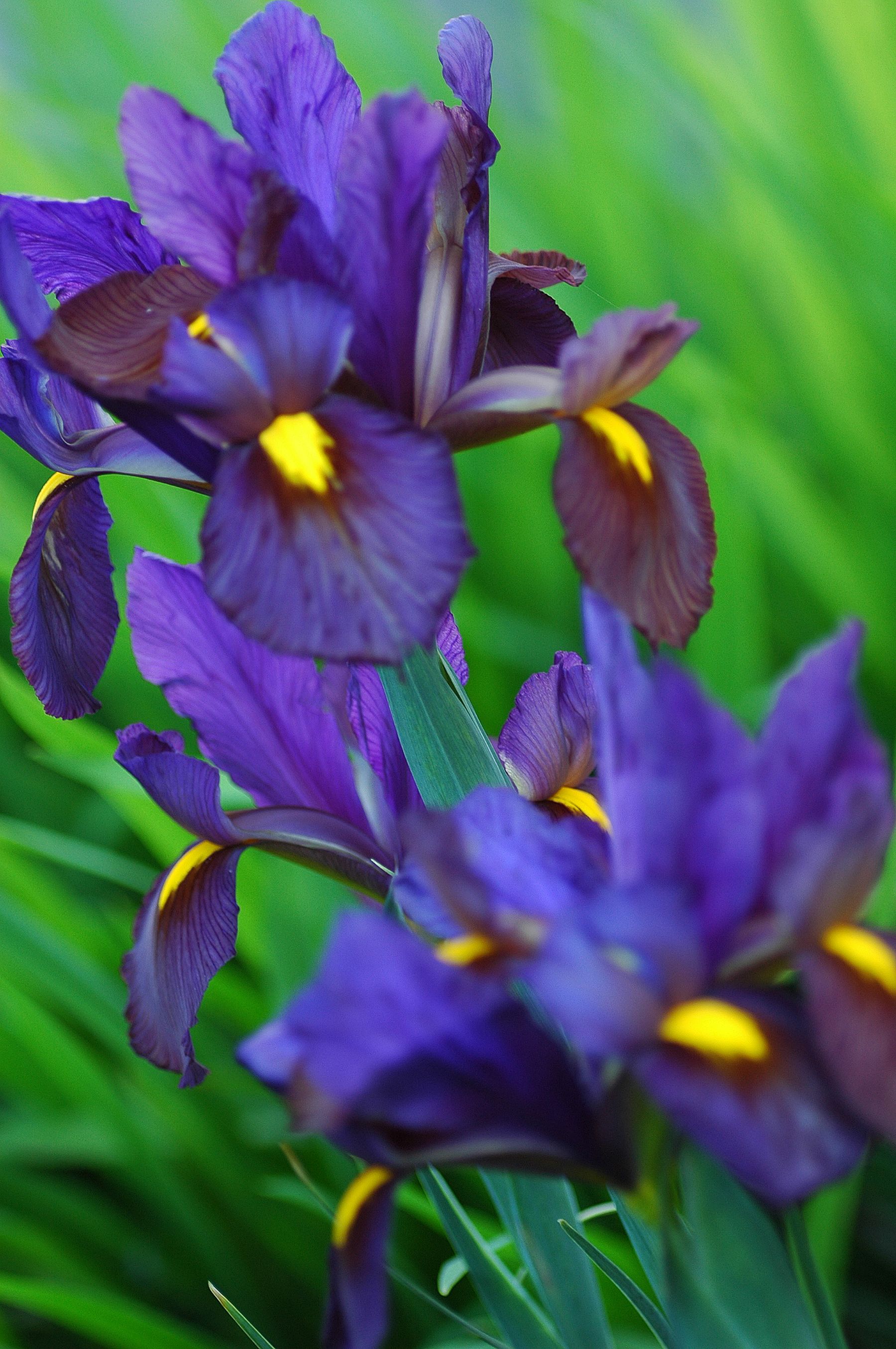
After a substantial cutback, water deeply if conditions are dry. September plants are preparing for dormancy, and adequate moisture helps them enter the colder season without unnecessary stress.

10 Perennials You Can Cut Back in September
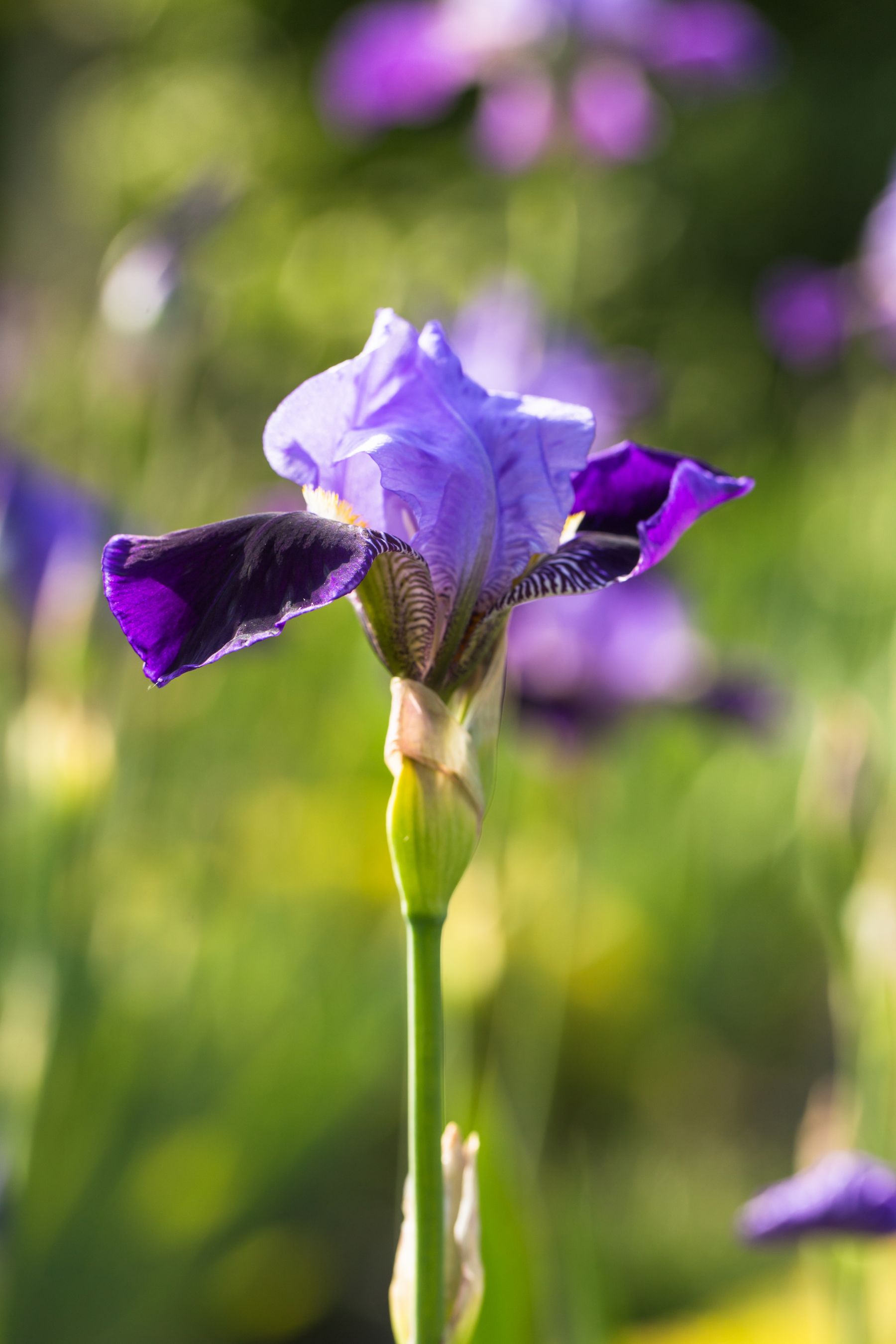
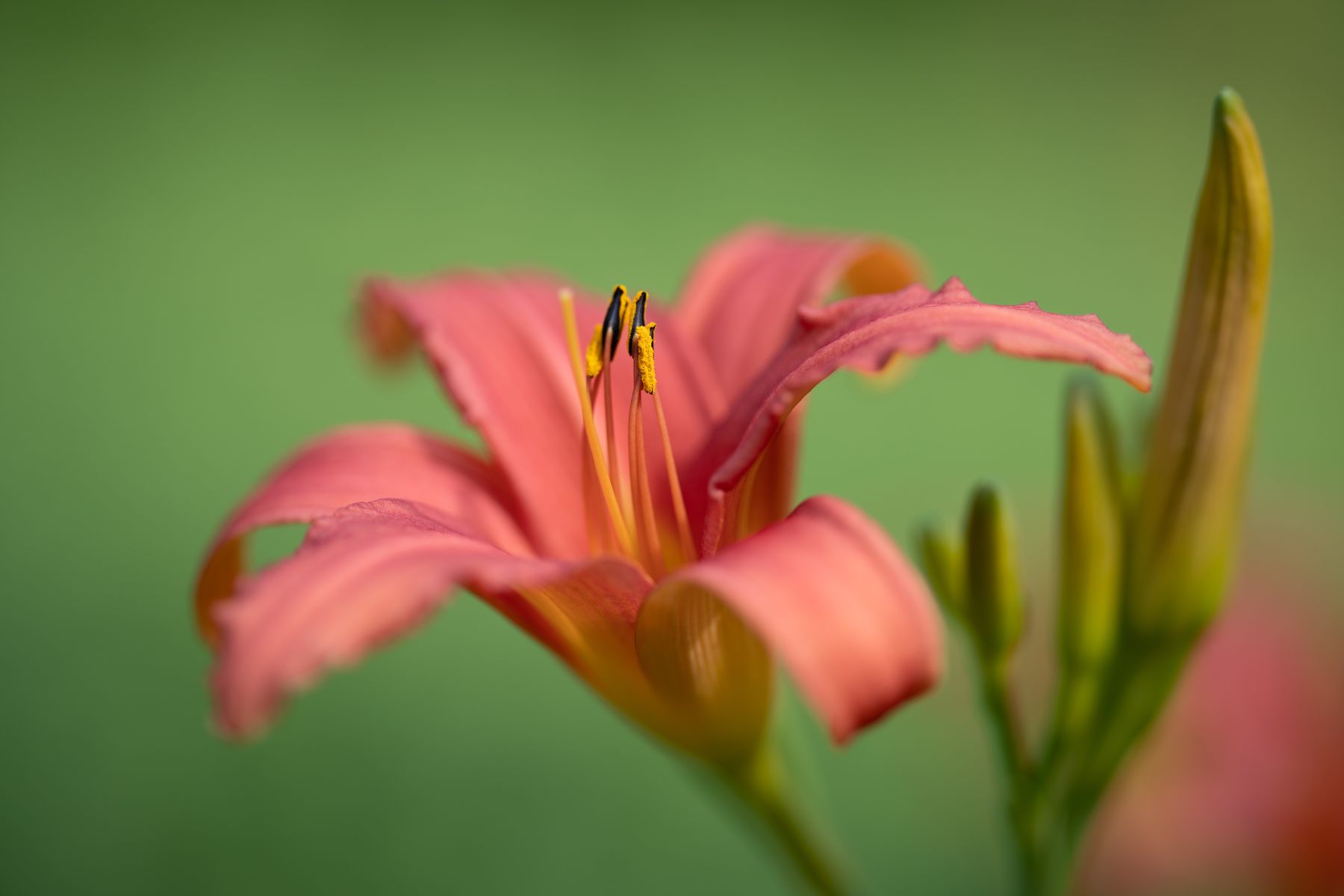
1. Daylilies
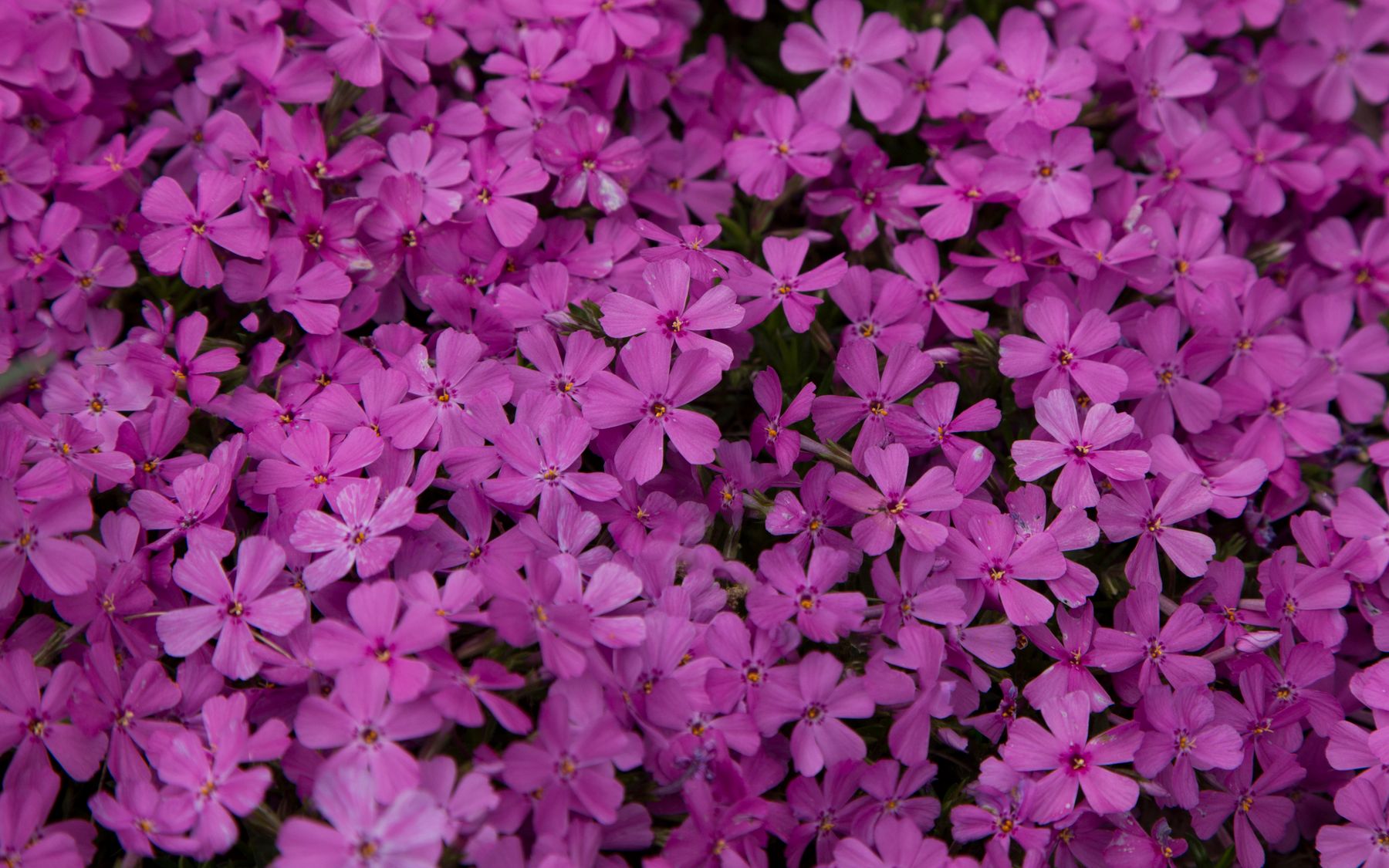
Daylily foliage often turns yellow, collapses, and becomes untidy by September. Once the leaves are clearly declining, cutting the foliage back can improve the appearance of the bed and remove damaged material that may harbor pests or fungal spores.

Cut the foliage to roughly 2–3 inches above the soil, using clean shears. Remove yellow or brown leaves completely. If the foliage is diseased, put it in the trash rather than adding it to home compost. A light layer of compost or mulch around—but not over—the crown can help protect the root zone.
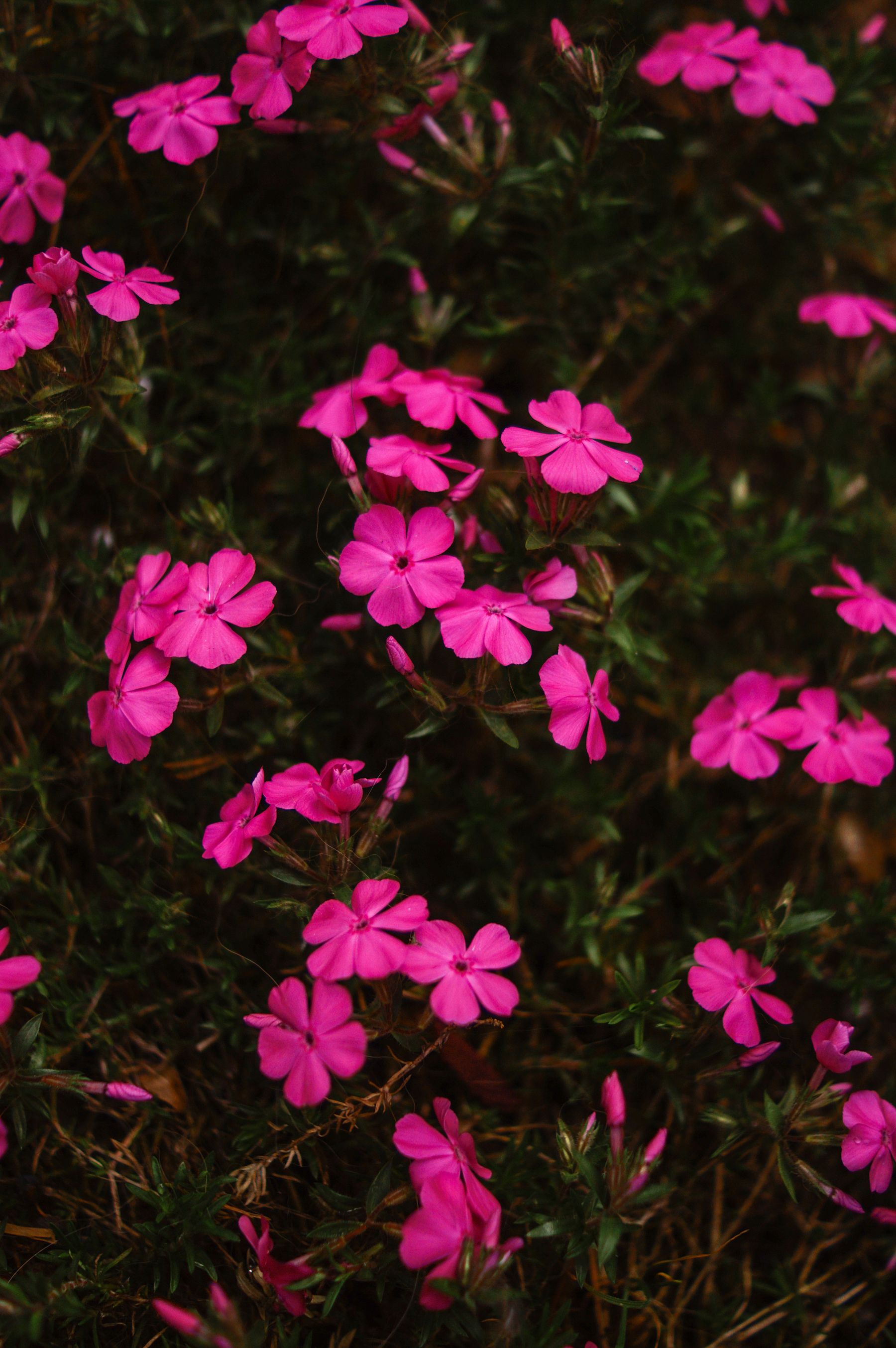
2. Bee Balm
Bee balm, or Monarda, is particularly prone to powdery mildew in late summer. If the foliage is badly affected, a September cleanup can remove a large amount of infected plant material before winter.
Cut the stems down to a few inches above the crown and discard diseased material. Good spacing and airflow are important in future seasons, so September is also a useful time to notice whether crowded plants need dividing later.

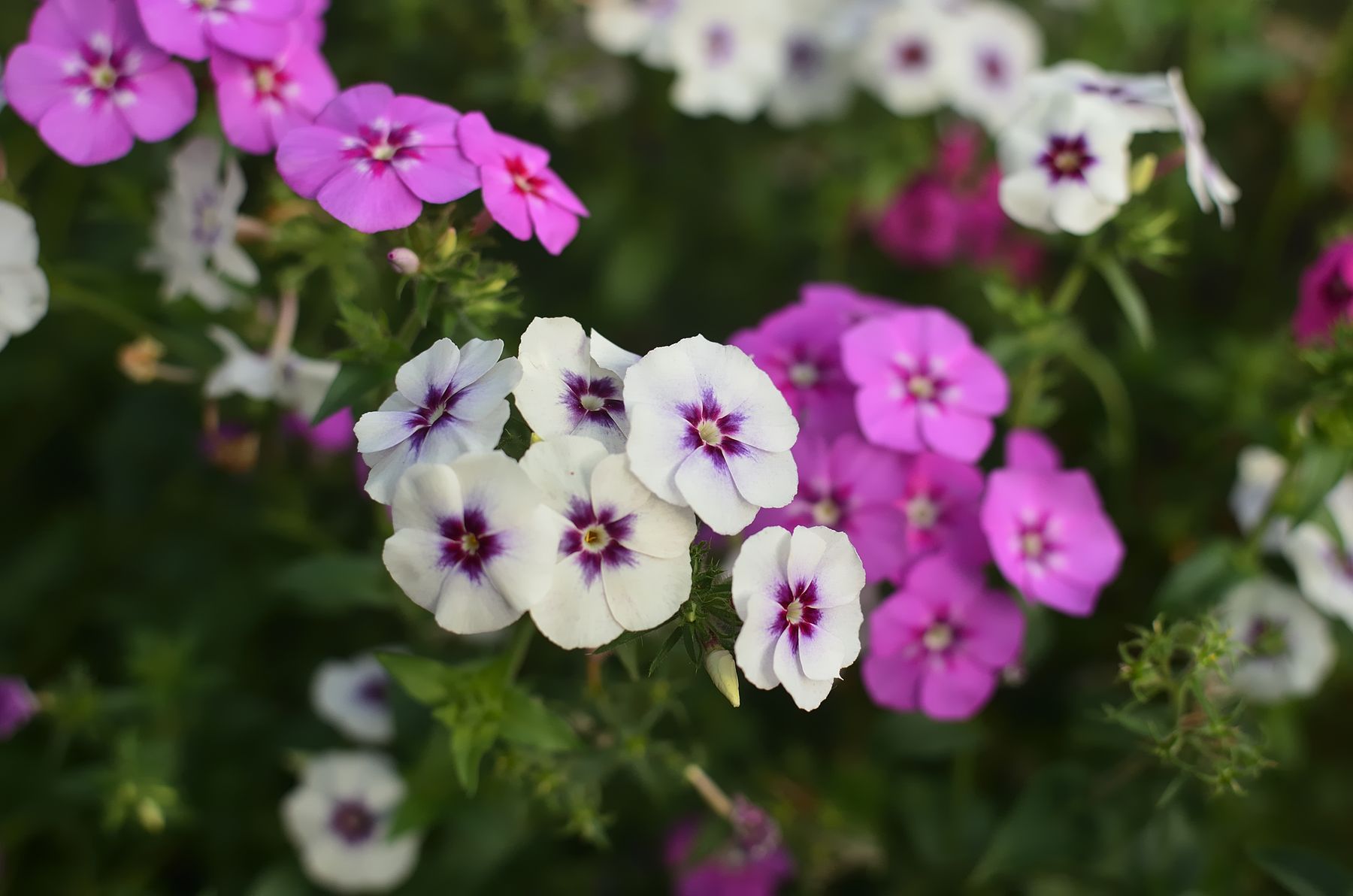
3. Garden Phlox
Tall garden phlox can put on a spectacular summer display, but mildew can become a problem as the season progresses. Once flowering is finished and the foliage is declining, cutting it back helps clear infected material from the garden.
Trim the stems close to the base while leaving a small amount of growth above the soil. Clean up fallen leaves as well, particularly when they show obvious disease symptoms.
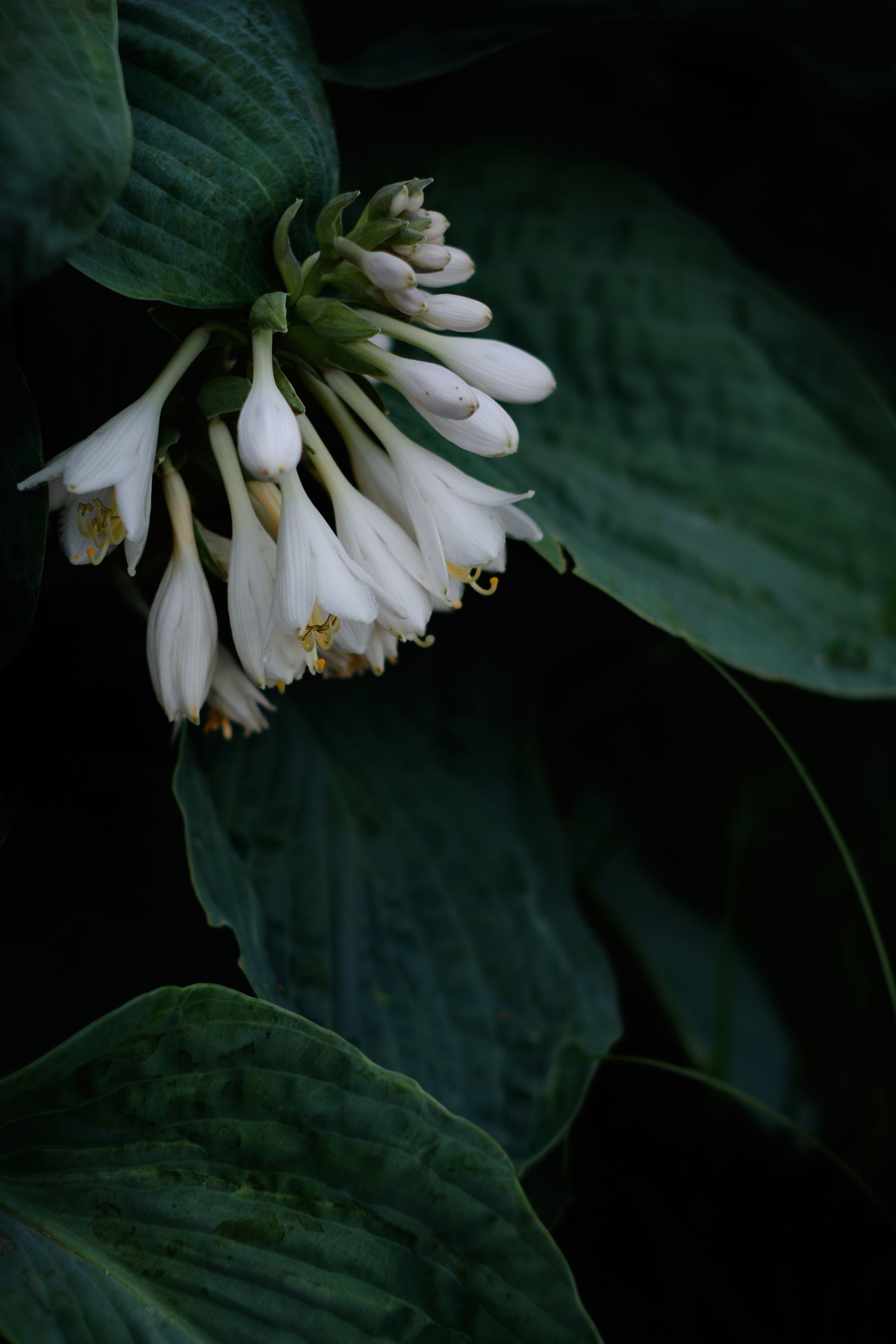
4. Hostas
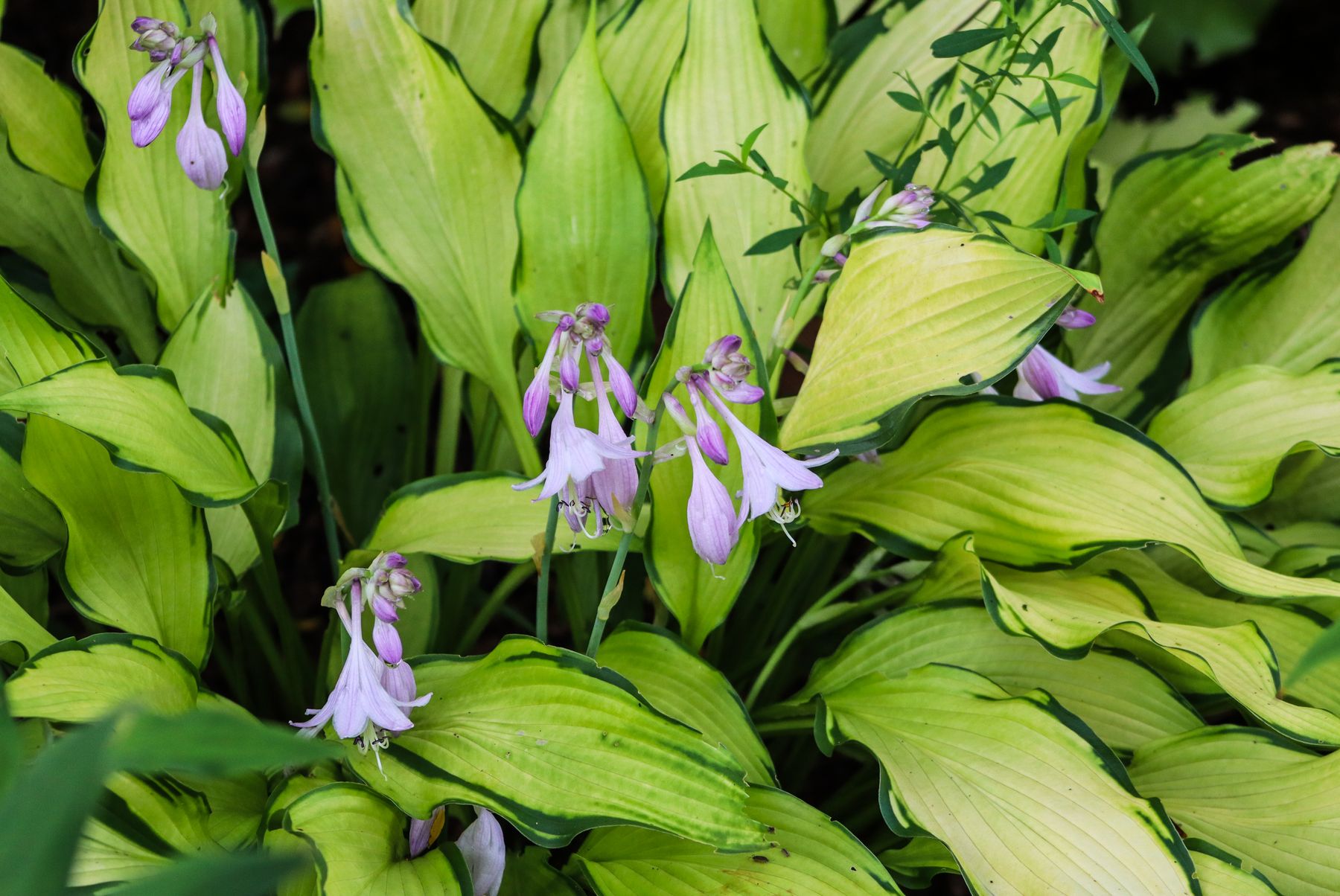
Hostas often look worn by September. Their broad leaves can be riddled with slug damage, torn by weather, or beginning to collapse. Once the foliage is no longer contributing much to the plant, removing it can make the bed cleaner and easier to manage.
Cut the leaves down to the crown and clear away the debris. Keep mulch slightly away from the crown so the base does not remain unnecessarily wet.
5. Bearded Irises
Bearded iris foliage can develop spots and other problems late in the season. Rather than leaving a collapsing mass of leaves over the rhizomes, trim the fans after the foliage has begun to decline.
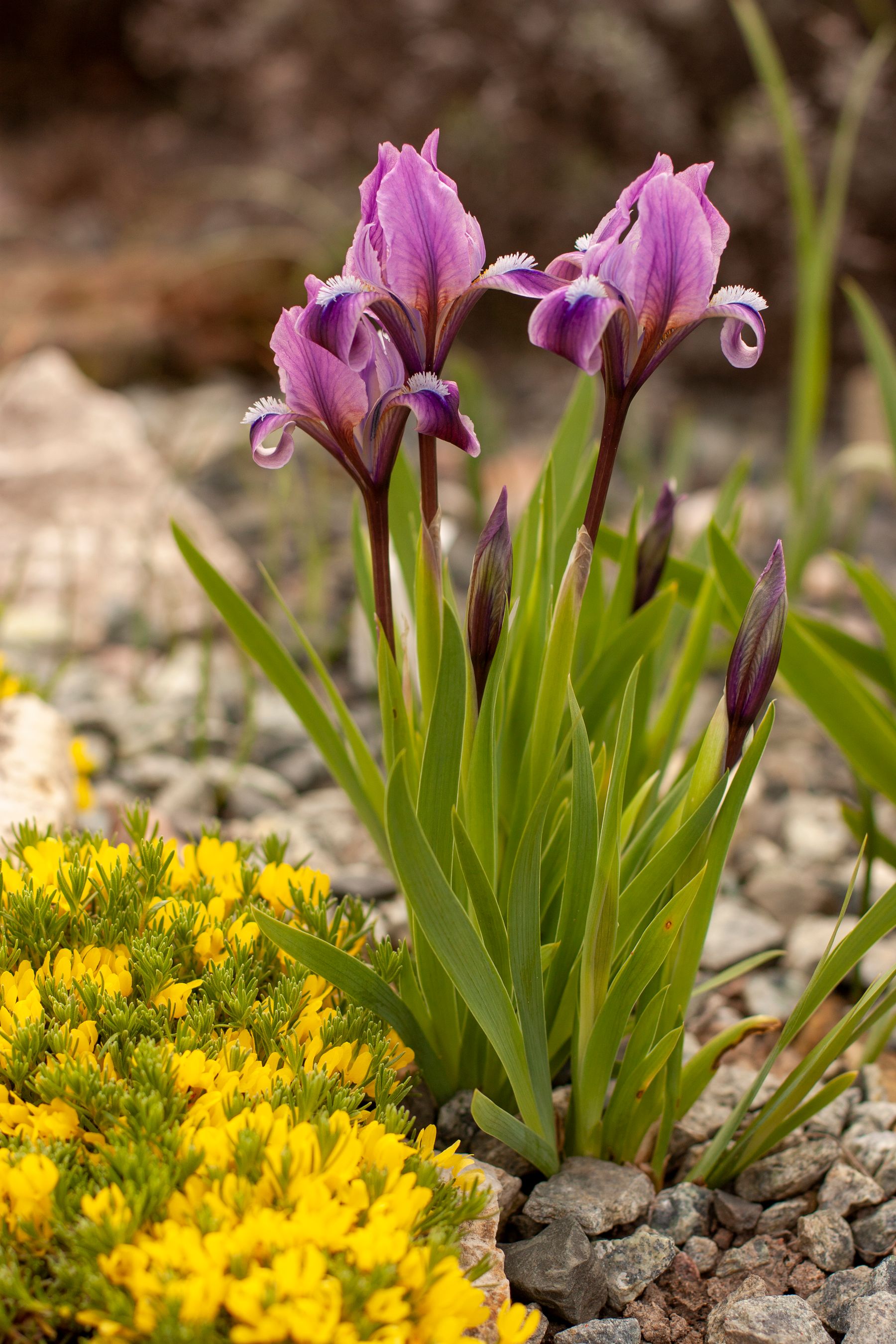
The source recommends shaping the remaining leaves into a neat fan about 6 inches tall. Remove spotted or mushy foliage and inspect the rhizomes for signs of rot. Keep rhizomes exposed rather than burying them beneath heavy mulch.
6. Peonies
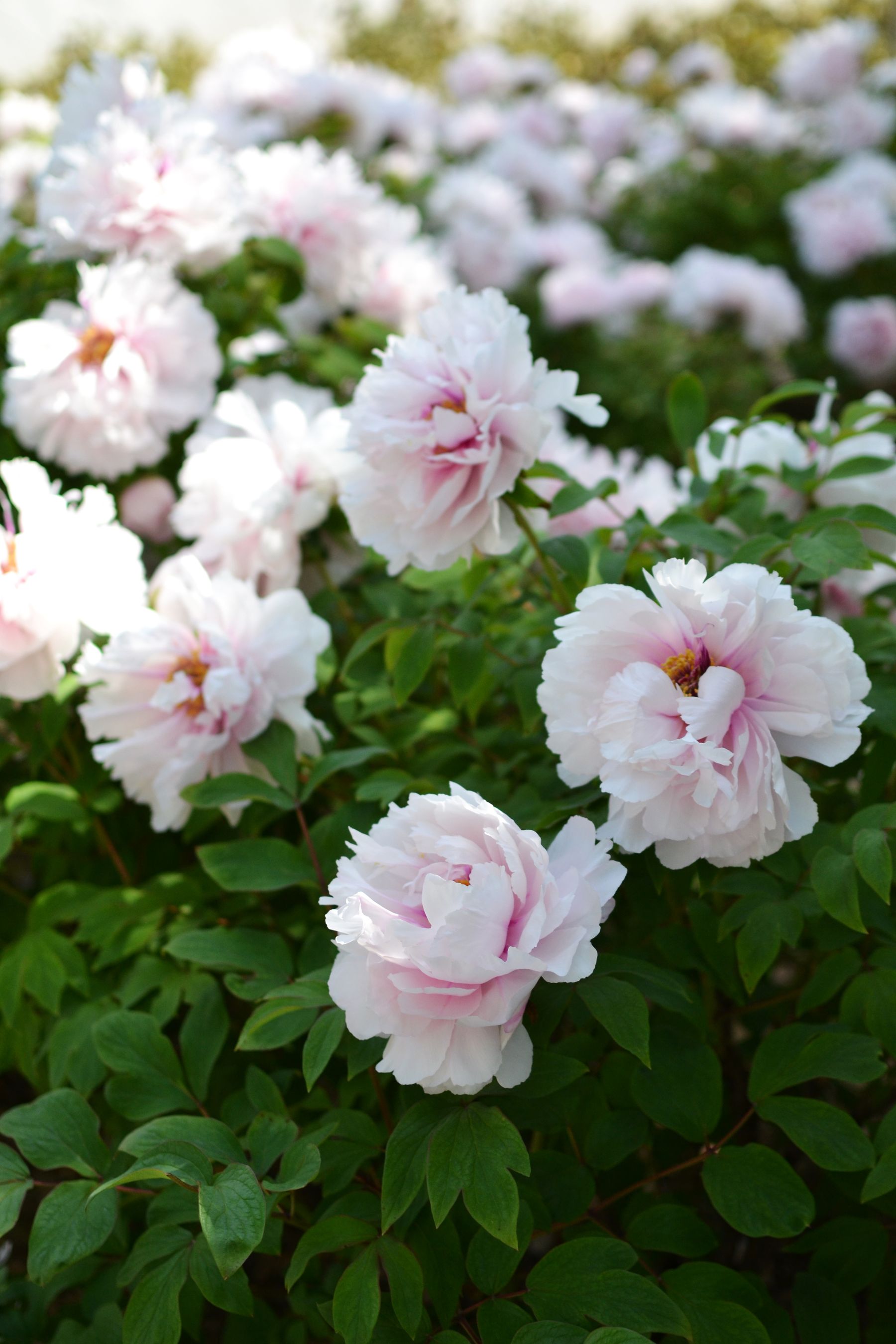
Peonies are long-lived perennials, but their foliage can become vulnerable to fungal problems such as botrytis as the season advances. Once the leaves have yellowed and the plant has finished its work for the season, cutting the stems down removes the old foliage.
Remove the cut material from the garden rather than composting foliage that showed signs of disease. Peonies generally do not need frequent division, so the main September task is sanitation and cleanup rather than aggressive renovation.
7. Catmint
Catmint often flowers for a long period and can become floppy or untidy after the main flush. A strong trim can rejuvenate the plant’s appearance and reduce unwanted reseeding.
Cut the stems back to a few inches above the crown and remove spent flower heads. Afterward, provide water if the soil is dry so the plant can establish fresh basal growth before winter.
8. Columbine
Columbine can develop extensive leaf-miner damage by late summer. When the leaves are heavily marked, cutting the foliage back removes the damaged material and encourages a cleaner start.
Trim the old foliage close to the crown, clear the debris, and water during dry weather. Columbine can reseed freely, so decide whether you want to keep some seed-producing stems before removing everything.
9. Veronica
Veronica, or speedwell, can become vulnerable to mildew and may also scatter seed after flowering. A September cleanup can remove faded flower spikes and declining foliage.
Cut the plant back to a short framework above the soil and clear away the old material. This is also a good opportunity to check whether the clump has become crowded and needs division at an appropriate time.
10. Crocosmia
Crocosmia foliage can flop after flowering and cover nearby plants. Once the leaves begin to yellow, cutting them down makes the bed tidier and prevents the dying foliage from smothering neighboring growth.
Cut the leaves to around 2 inches above the soil once they have naturally started to yellow. In colder climates, the source recommends paying attention to winter mulch, especially for plants growing in zones where the corms need extra protection.
9 Perennials You Should Leave Standing
Not every perennial should be cut down in September. Some are still attractive, some are storing energy, and others provide important food or shelter through the colder months. These are better candidates for a later cleanup.
1. Coneflowers
Leave coneflowers standing because their seed heads can feed finches and other birds, while the dried stems contribute valuable winter structure. Cut them back in late winter or early spring instead.
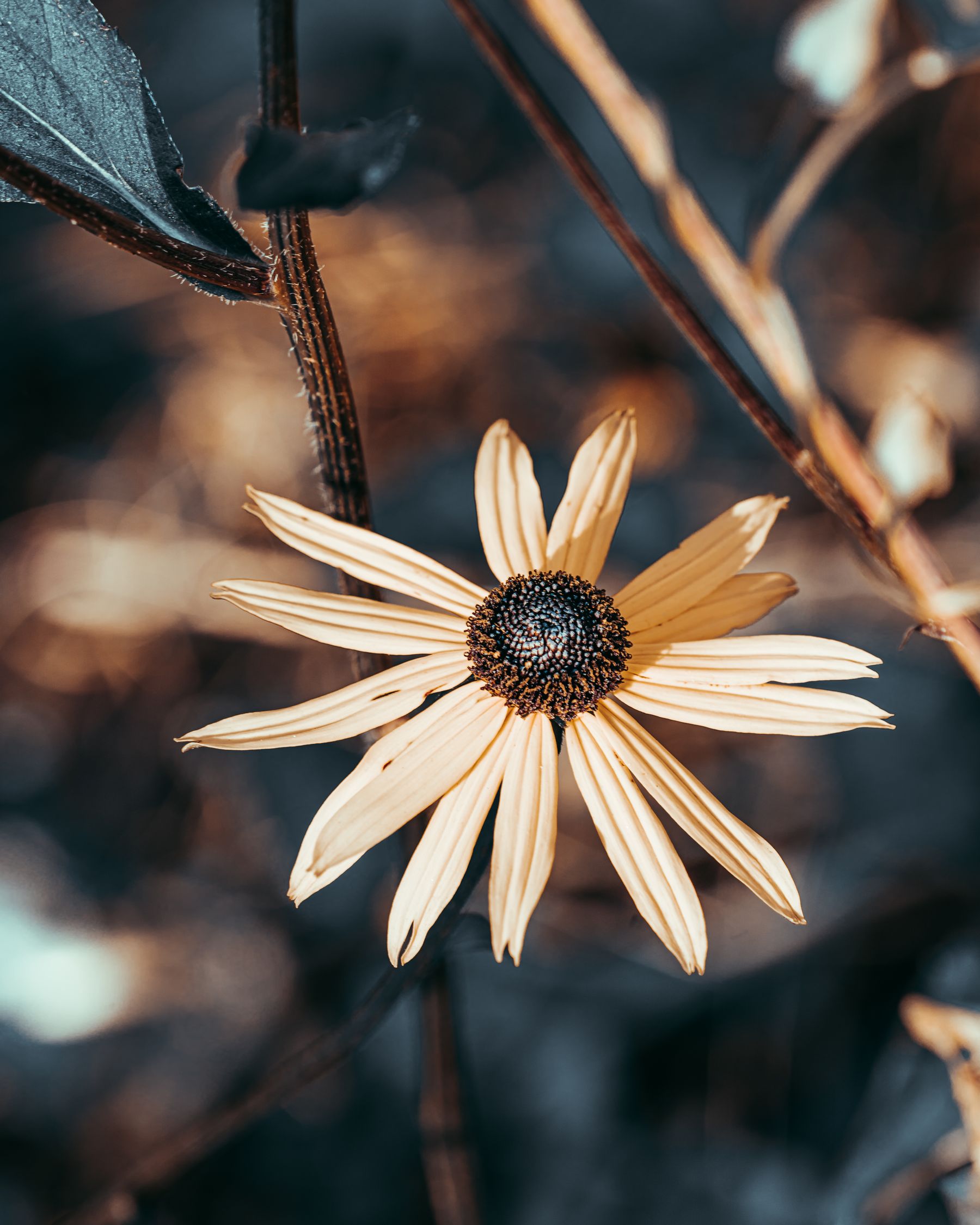
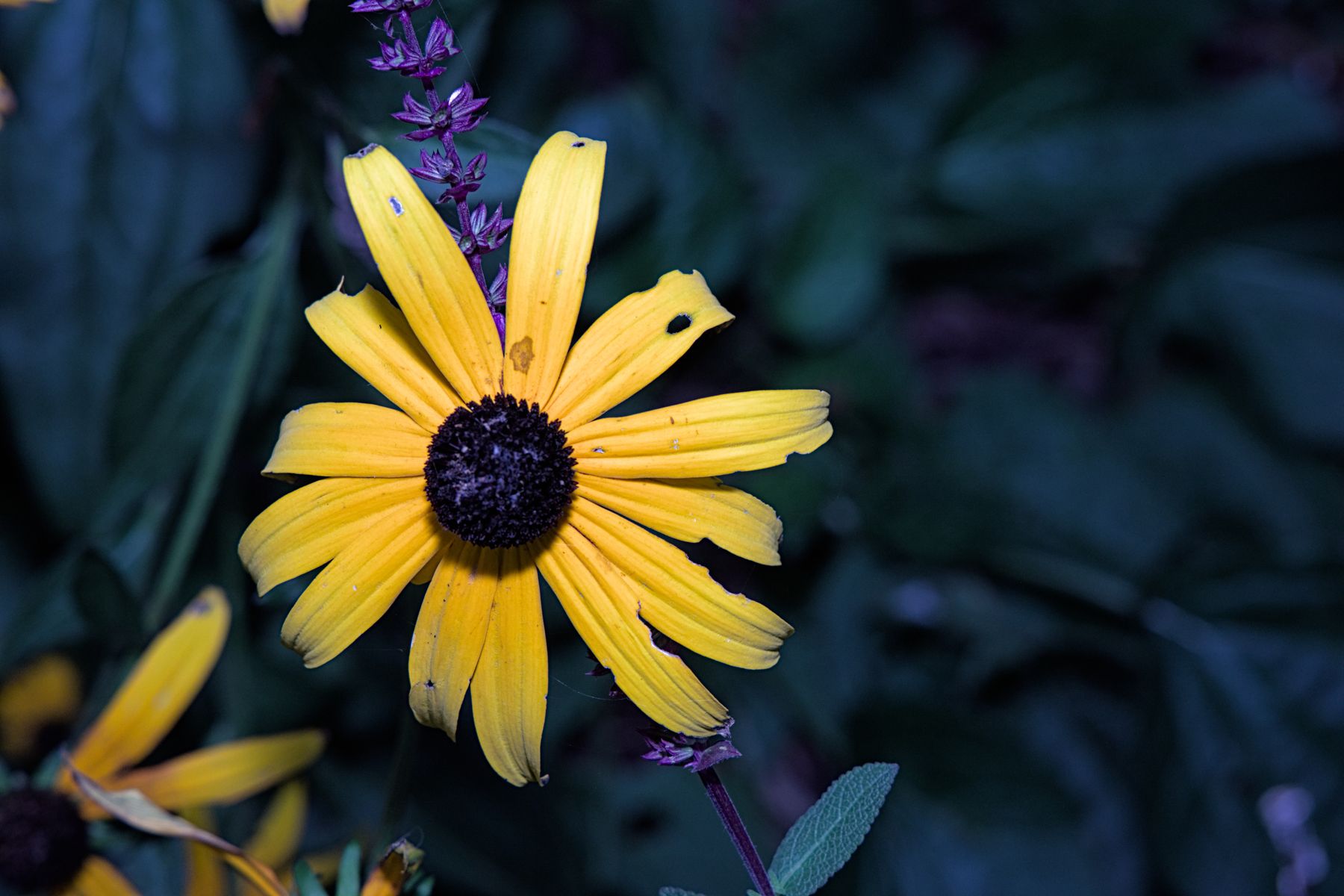
2. Black-Eyed Susans
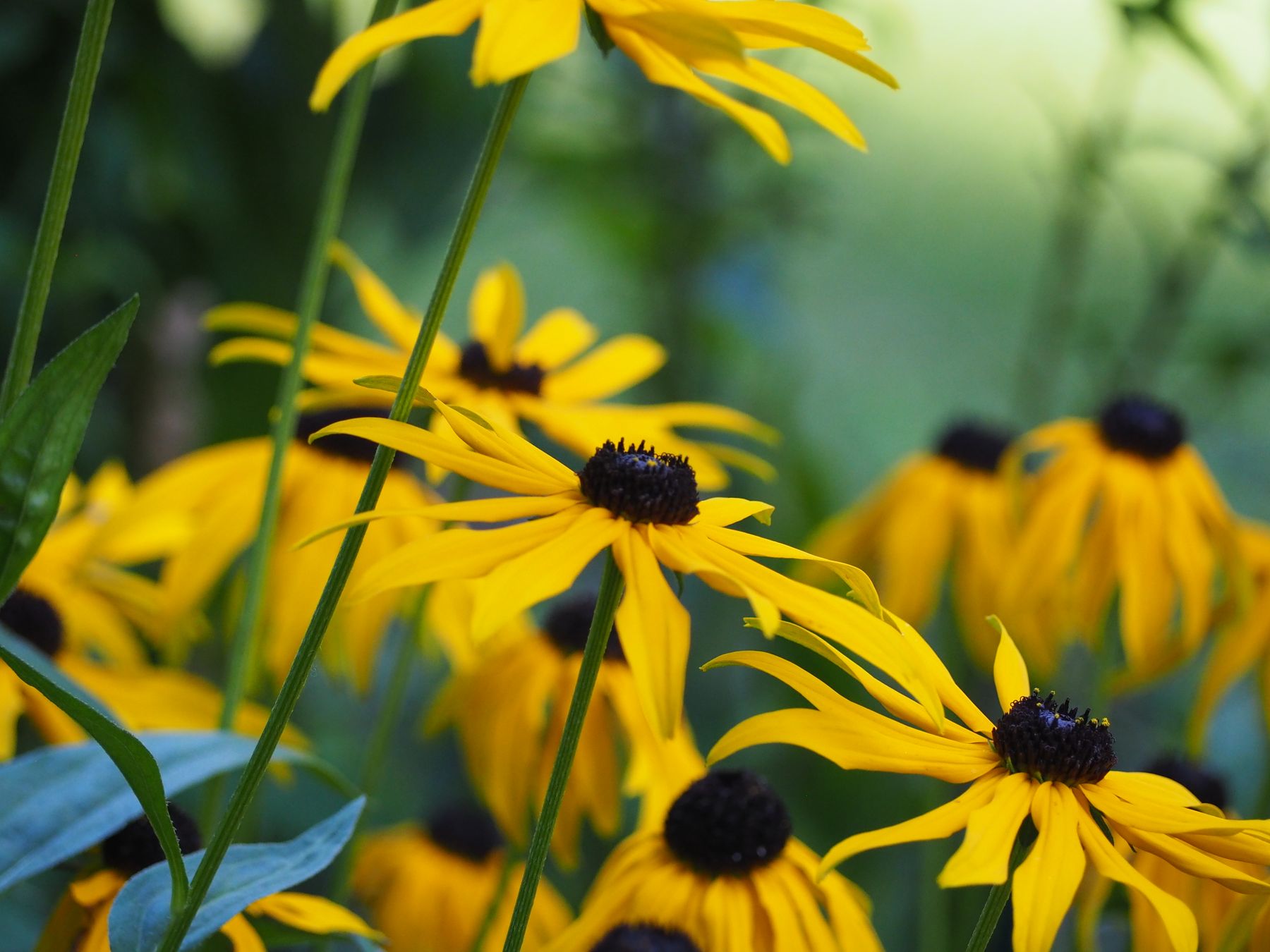
Rudbeckia provides both seed for birds and habitat around its old stems. Leaving the plant in place through winter also creates a more natural garden silhouette. Spring is the better time for the main cutback.
3. Sedum ‘Autumn Joy’
Late-season sedums are often at their best in September. Their flowers provide autumn color, and the dried seed heads can remain attractive after frost. Leave them standing and cut them back in spring.
4. Ornamental Grasses
Ornamental grasses are valuable winter plants. Their stems catch frost and snow, add movement, and can provide shelter for wildlife. Cutting them in late winter preserves that structure while avoiding a messy spring cleanup.
5. Lavender
Avoid deep fall pruning of lavender. Cutting too far into older woody growth can increase the risk of dieback. A light summer trim is safer, with more substantial shaping left for spring.
6. Russian Sage
Russian sage can continue flowering into September, and its woody stems add useful winter structure. Leaving the plant standing until spring also protects the crown during colder weather.
7. Chrysanthemums
Garden mums are better left intact through winter. Their remaining foliage and stems can help insulate the crown, so the main cleanup is best postponed until spring.
8. Hellebores
Hellebores are evergreen or semi-evergreen in many gardens and begin preparing their flower display well before late winter. Avoid cutting them back in September; remove old foliage closer to flowering time.
9. Evergreen Perennials
Evergreen or semi-evergreen perennials such as Bergenia, Dianthus, and creeping phlox generally benefit from keeping their healthy foliage through winter. Save the main cleanup for spring and remove only damaged or diseased material when necessary.
Common September Pruning Mistakes
The biggest mistake is cutting everything back simply because the calendar says September. Plants have different growth cycles, and a neat-looking garden is not always a healthy garden. Some perennials need their stems and seed heads for winter protection or wildlife value.
Another mistake is composting clearly diseased foliage. Problems such as powdery mildew, rust, and leaf spot can survive in plant debris. When disease is obvious, dispose of the material appropriately instead of assuming a home compost pile will eliminate every pathogen.
Avoid heavy pruning during drought stress. A plant that is already struggling for water may still need its foliage for photosynthesis. Water appropriately and remove only what genuinely needs to be removed.
How to Decide: Cut Back or Leave It?
When you are unsure, ask three simple questions. Is the plant diseased or badly declining? If so, removing affected material may be worthwhile. Does the plant provide winter structure, seeds, or insect habitat? If yes, consider leaving it standing. Will cutting it now actually improve its health or spring performance? If the answer is unclear, selective pruning is usually safer than a complete cutback.
Extra September Jobs for Your Perennial Beds
September can also be a useful month for dividing crowded clumps after flowering and cleanup. Daylilies, hostas, and irises are among the plants mentioned in the source as candidates for division around this time, depending on local conditions.
Mulching is another useful task. A modest layer of shredded leaves or compost can help protect roots from temperature swings. Keep mulch from piling directly against crowns, especially for plants that dislike constantly wet conditions.
Once old foliage is removed, open spaces in the garden can reveal places for spring bulbs such as tulips, daffodils, and crocuses. It is also worth labeling plants after cutting them down so you remember exactly where each clump is located.
The Bottom Line
September pruning is most effective when it is selective. Cut back plants such as daylilies, bee balm, phlox, hostas, irises, peonies, catmint, columbine, veronica, and crocosmia when their foliage is declining or diseased. Leave coneflowers, black-eyed Susans, autumn sedum, ornamental grasses, lavender, Russian sage, chrysanthemums, hellebores, and healthy evergreen perennials standing when they still provide useful structure or wildlife value.
The best autumn garden is not necessarily the cleanest one. It is the one where each plant is handled according to its needs. A little restraint in September can protect wildlife, preserve winter interest, reduce disease pressure, and set your perennial beds up for a stronger spring.