
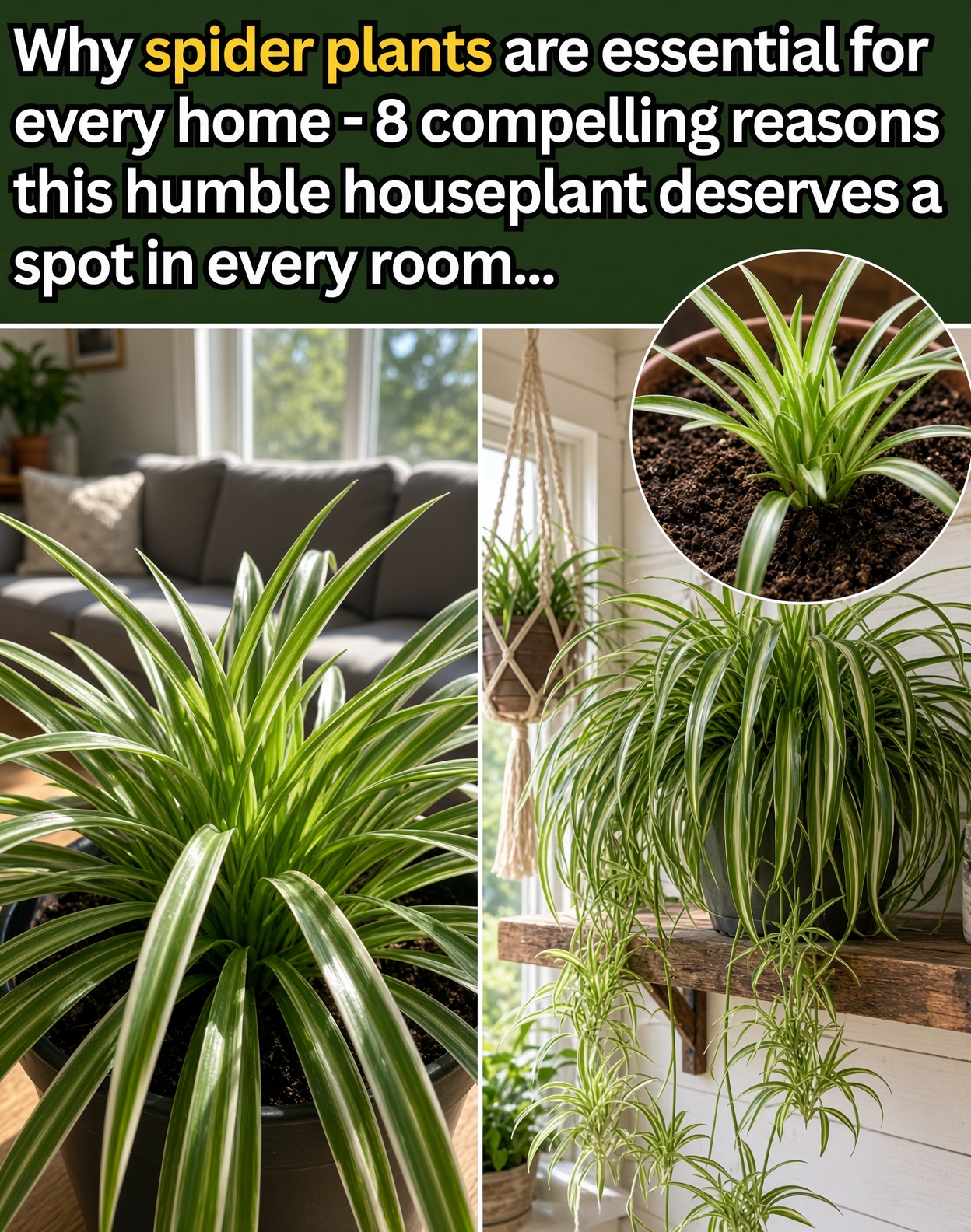
Eight practical reasons spider plants remain one of the easiest and most versatile houseplants, plus simple care, propagation, decorating, and troubleshooting advice.
Meet the Spider Plant
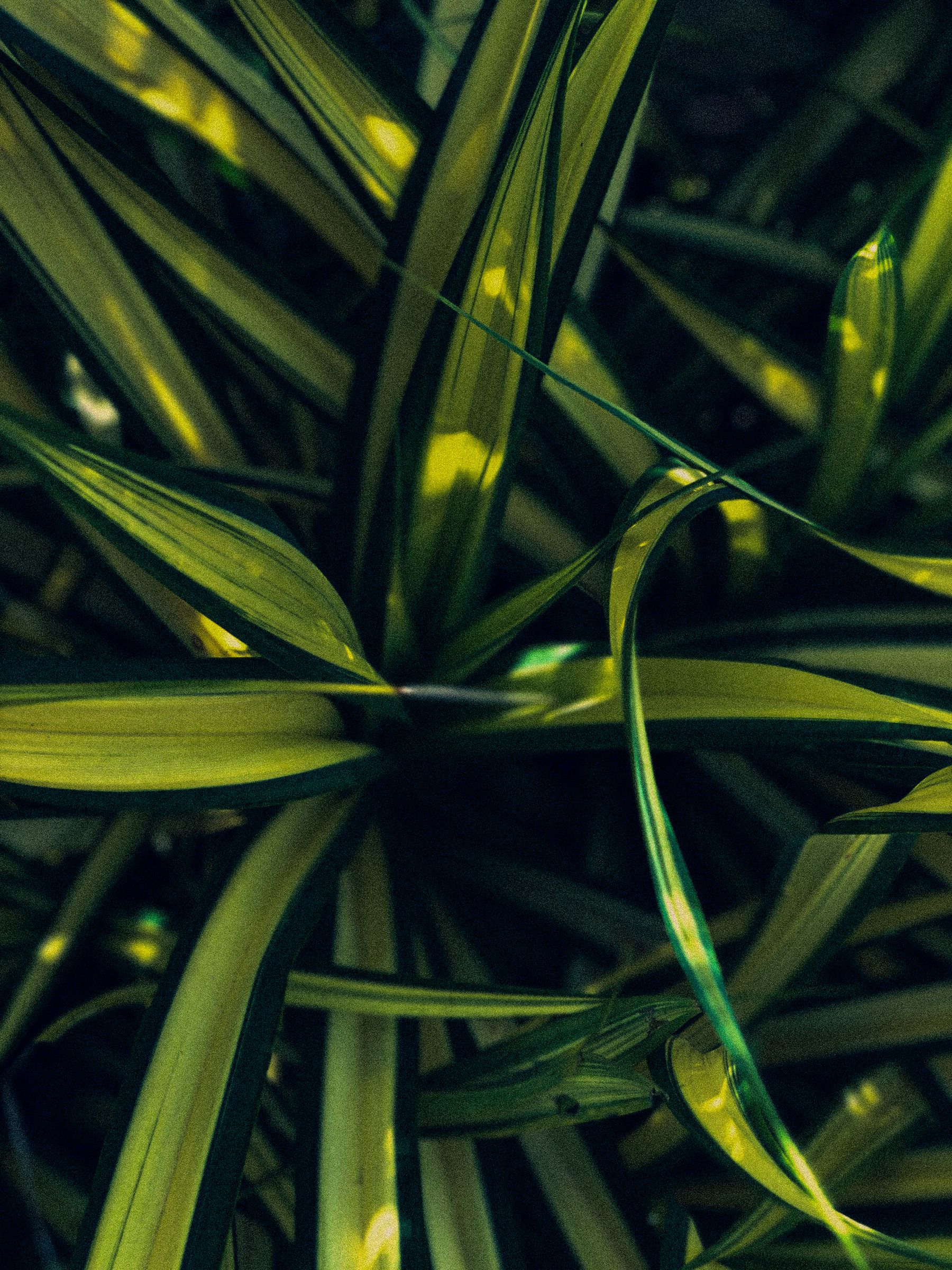
Spider plants (Chlorophytum comosum) are popular houseplants because they combine attractive striped foliage with a reputation for being forgiving and easy to grow. Their long arching leaves look especially good when the plant is displayed in a hanging basket, while mature plants can produce small offshoots that make propagation remarkably simple. The Gardening Soul source highlights eight practical reasons to give this adaptable houseplant a place indoors.
1. They Can Help Improve Indoor Air Quality
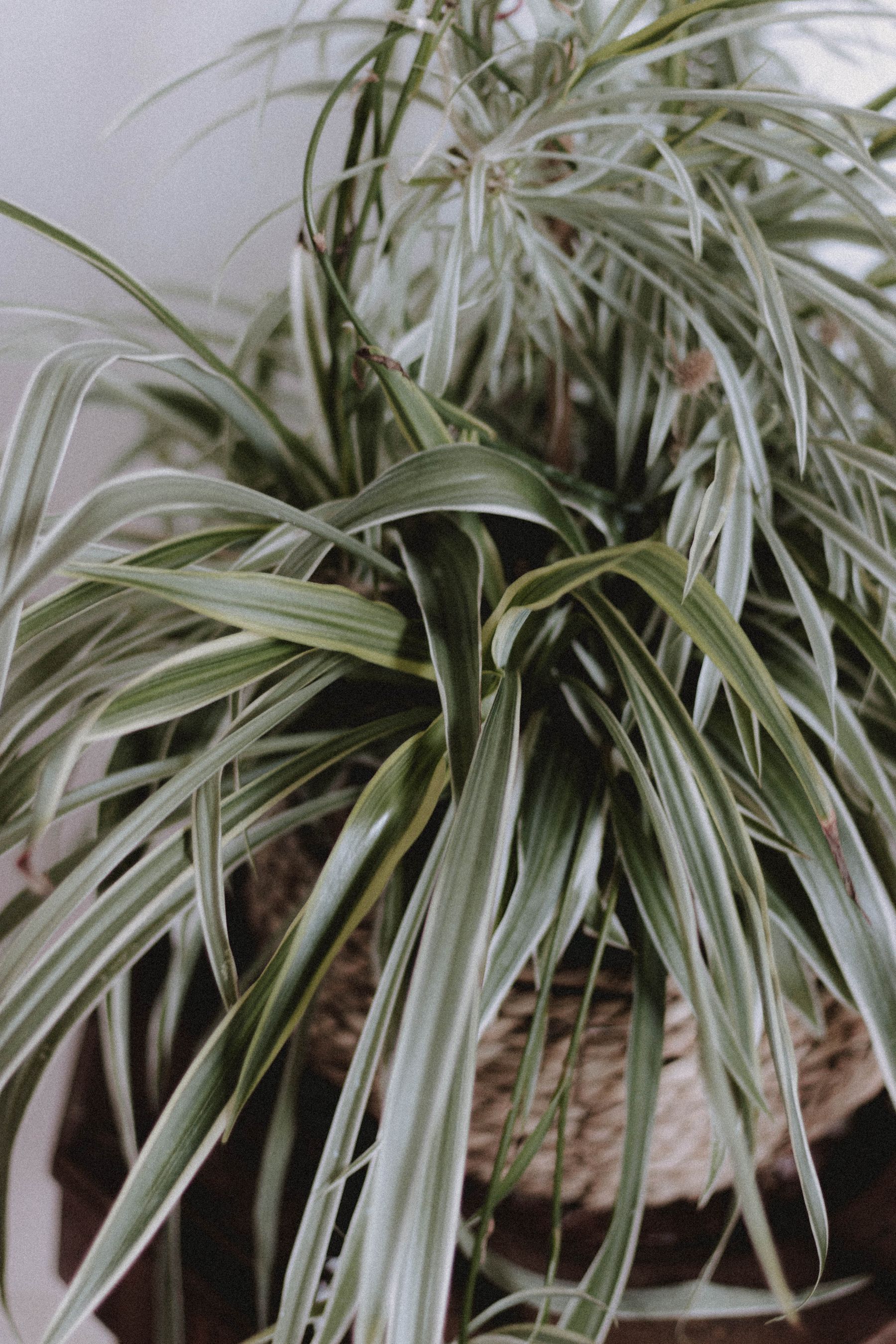
The source’s first reason is air quality. It points to NASA’s Clean Air Study and says spider plants were shown to remove pollutants including carbon monoxide, formaldehyde, benzene, and xylene under study conditions. This is best understood as a research finding rather than a promise that one houseplant will noticeably purify the air in an ordinary room. Good ventilation and reducing indoor pollution sources remain much more important.
Why the Air-Cleaning Claim Needs Context
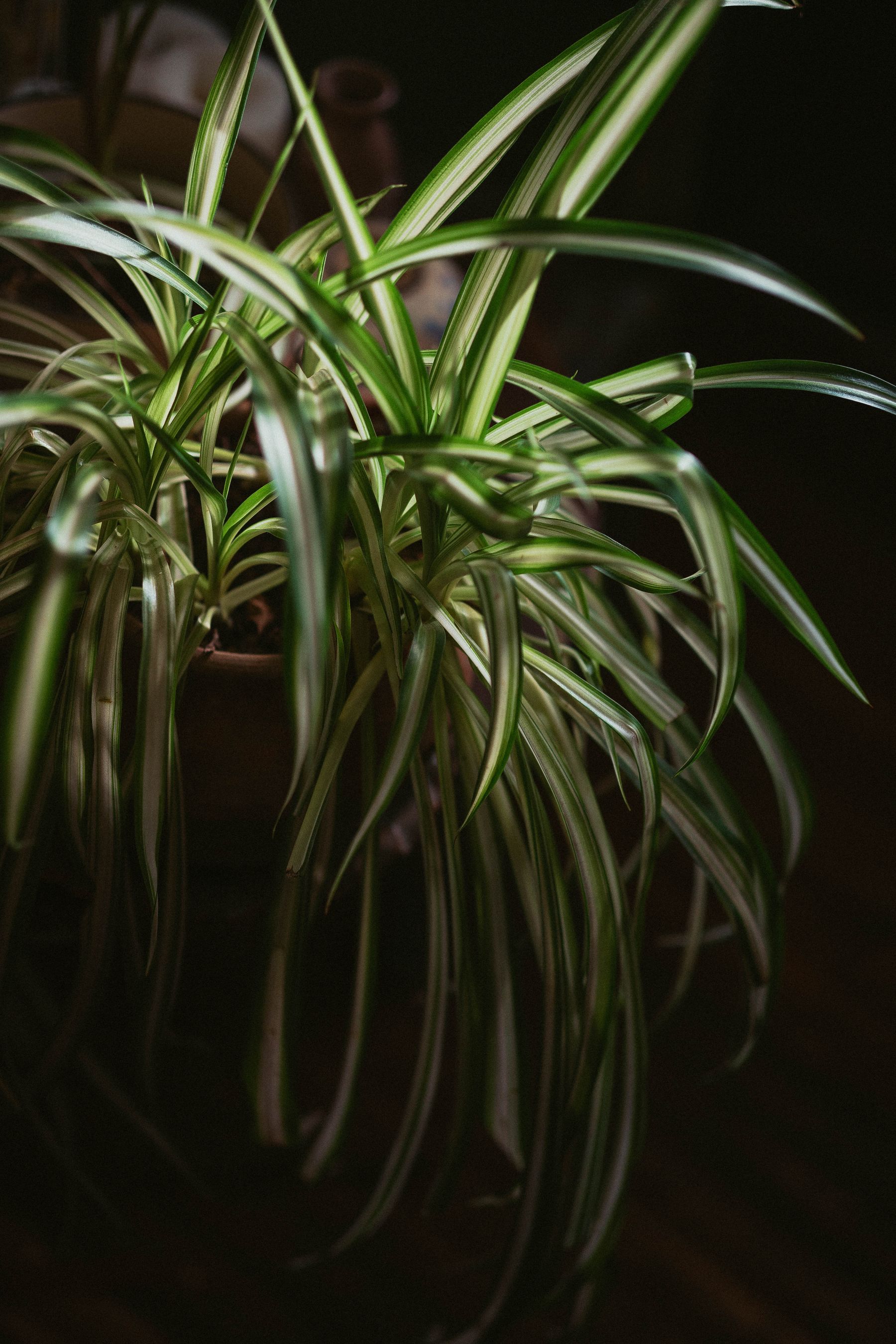
Spider plants are often marketed as natural air purifiers, but controlled plant-chamber research does not translate directly into a measurable home air-cleaning effect. Their strongest everyday benefit is still that they add living greenery to an indoor space. If you enjoy the plant, its attractive foliage can make a room feel fresher and more connected to nature without relying on exaggerated claims about air purification.
2. They Are Easy to Grow
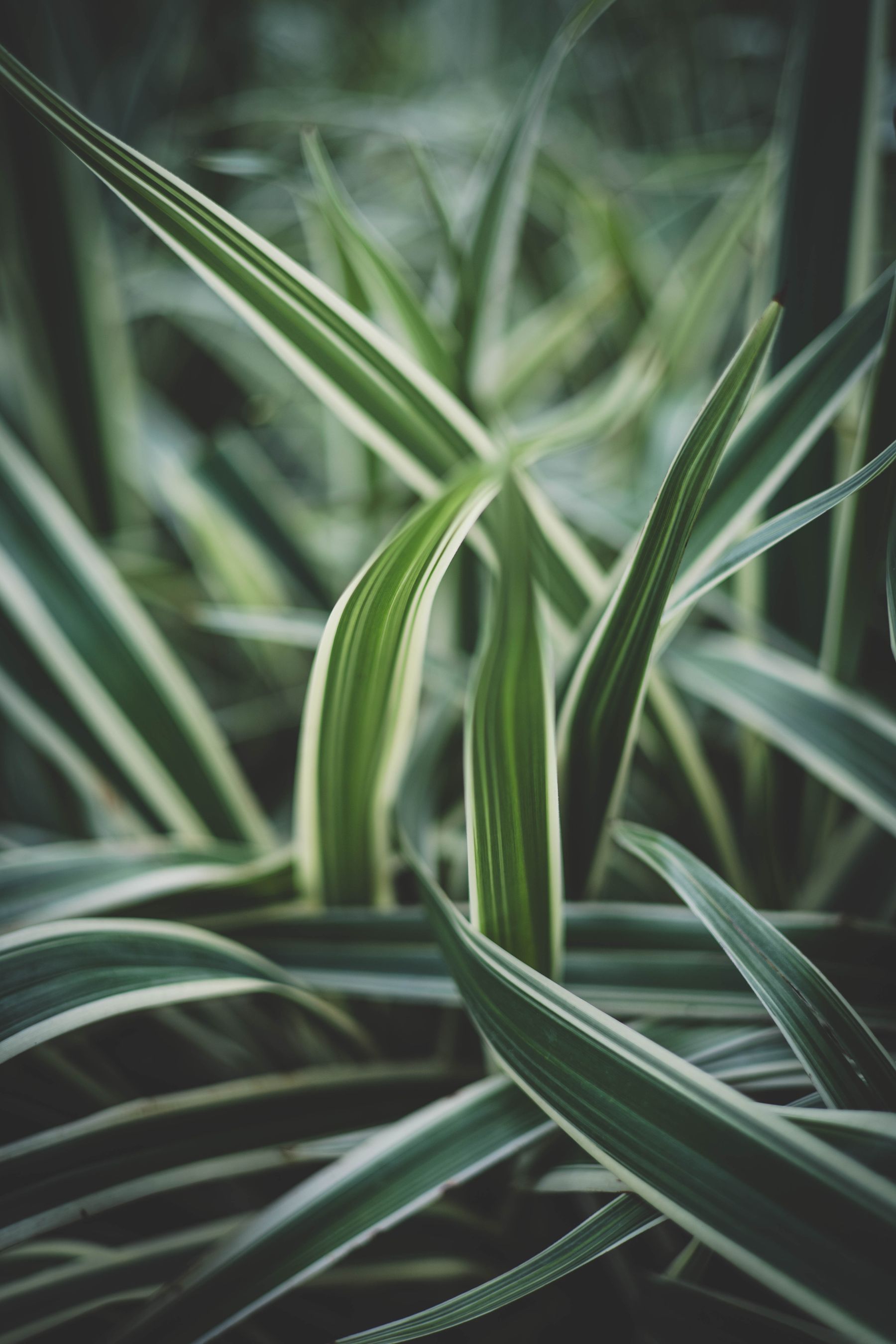
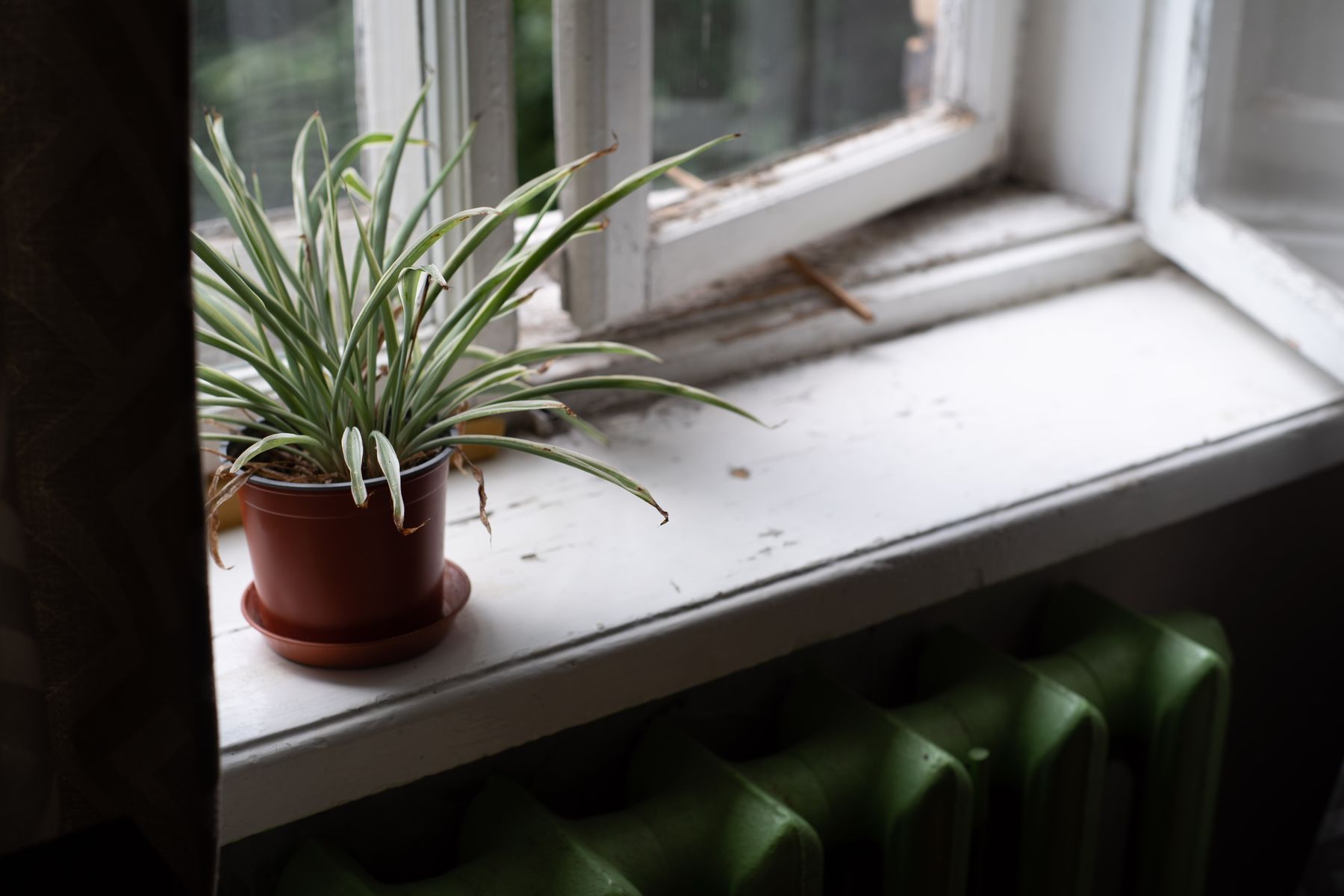
The second reason is simple: spider plants are forgiving. They generally prefer bright, indirect light but can tolerate lower-light conditions. Allow the top layer of potting mix to dry somewhat before watering, and use a container with drainage. They can cope with occasional care mistakes better than many fussier houseplants, which makes them especially appealing to beginners.
Simple Spider Plant Care
For a reliable routine, place the plant in bright filtered light, water when the soil has dried somewhat at the surface, and avoid leaving the pot sitting in excess water. Average indoor temperatures suit spider plants well. They can also be sensitive to fluoride and salts in some tap water, which may contribute to brown leaf tips. If that becomes a recurring issue, filtered or otherwise suitable water can help.
3. They Are Considered Pet-Friendly
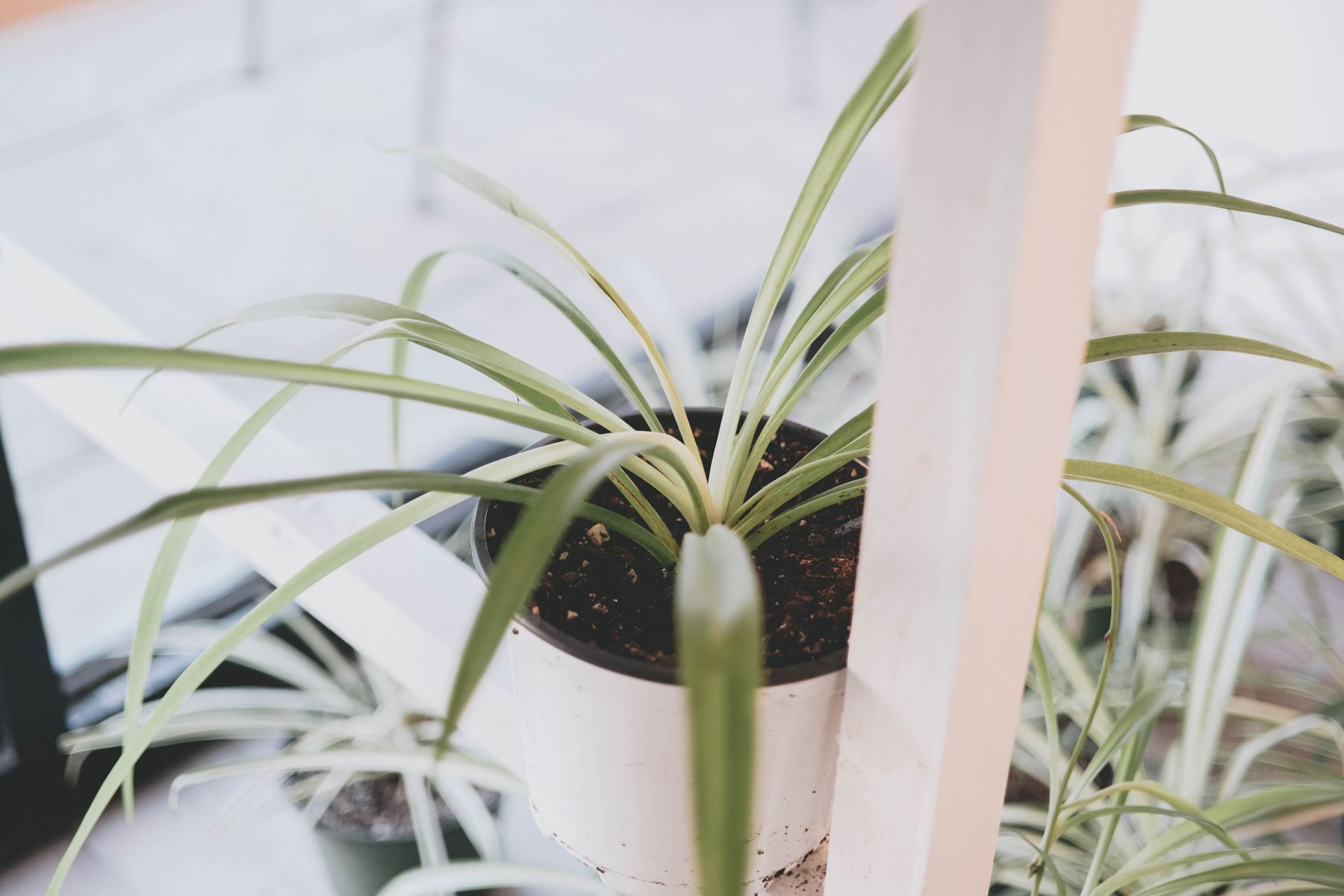
The source’s third reason is their appeal to households with cats and dogs. Spider plants are generally regarded as non-toxic to cats and dogs by veterinary poison-control references. Even so, chewing large amounts of any plant material can cause stomach upset in some animals, so pet-friendly does not mean unlimited consumption. Keeping plants where pets can enjoy them without constantly eating them is still sensible.
A Good Choice for Homes With Pets
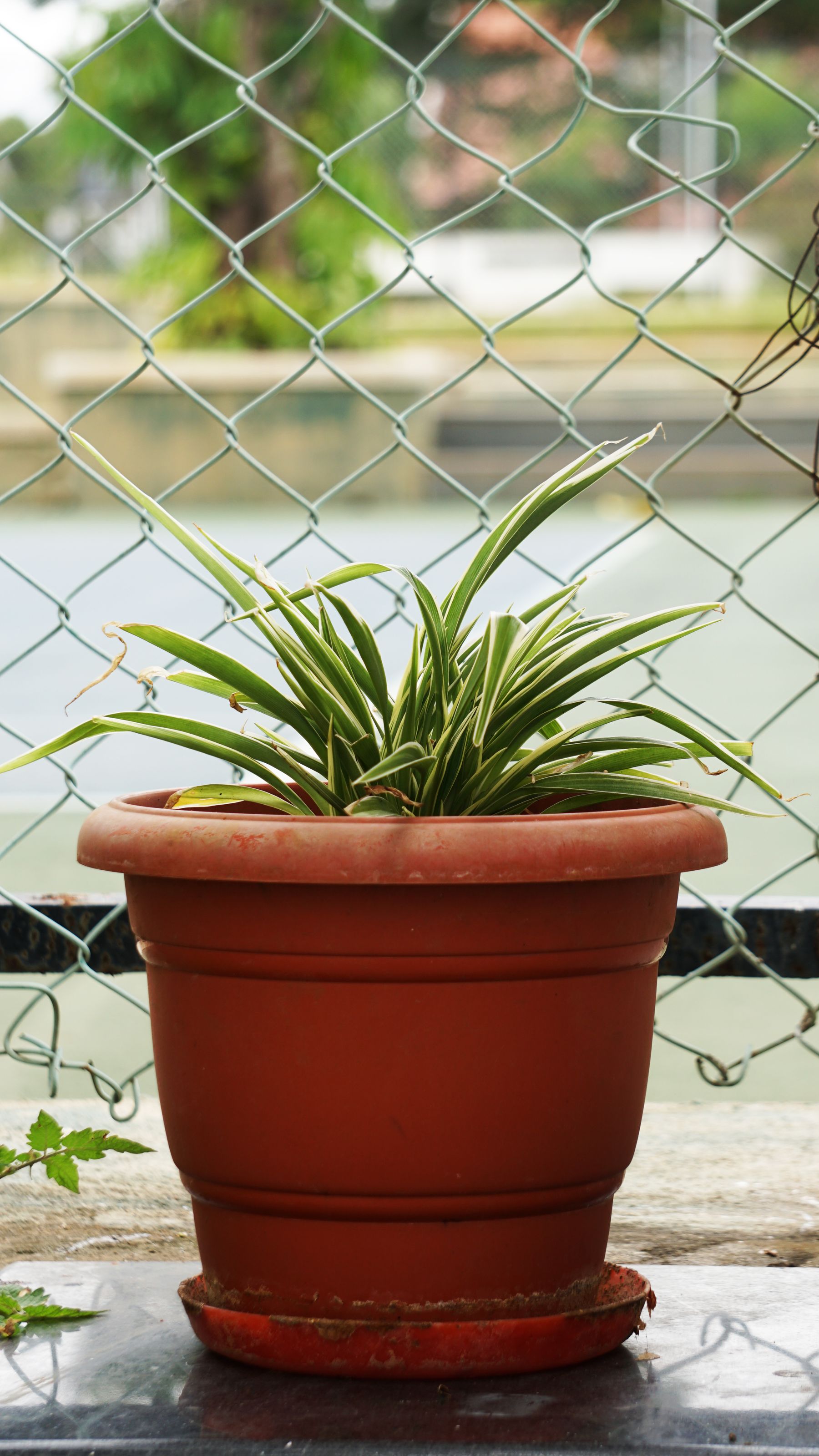
For pet owners who still want plenty of greenery, spider plants can be a practical decorative option. Their narrow leaves are attractive without requiring a delicate flowering display, and hanging them can keep foliage away from curious mouths. As with any houseplant, monitor individual pets because animals can react differently to plant material even when a plant is considered non-toxic.
4. They Add Moisture Through Transpiration
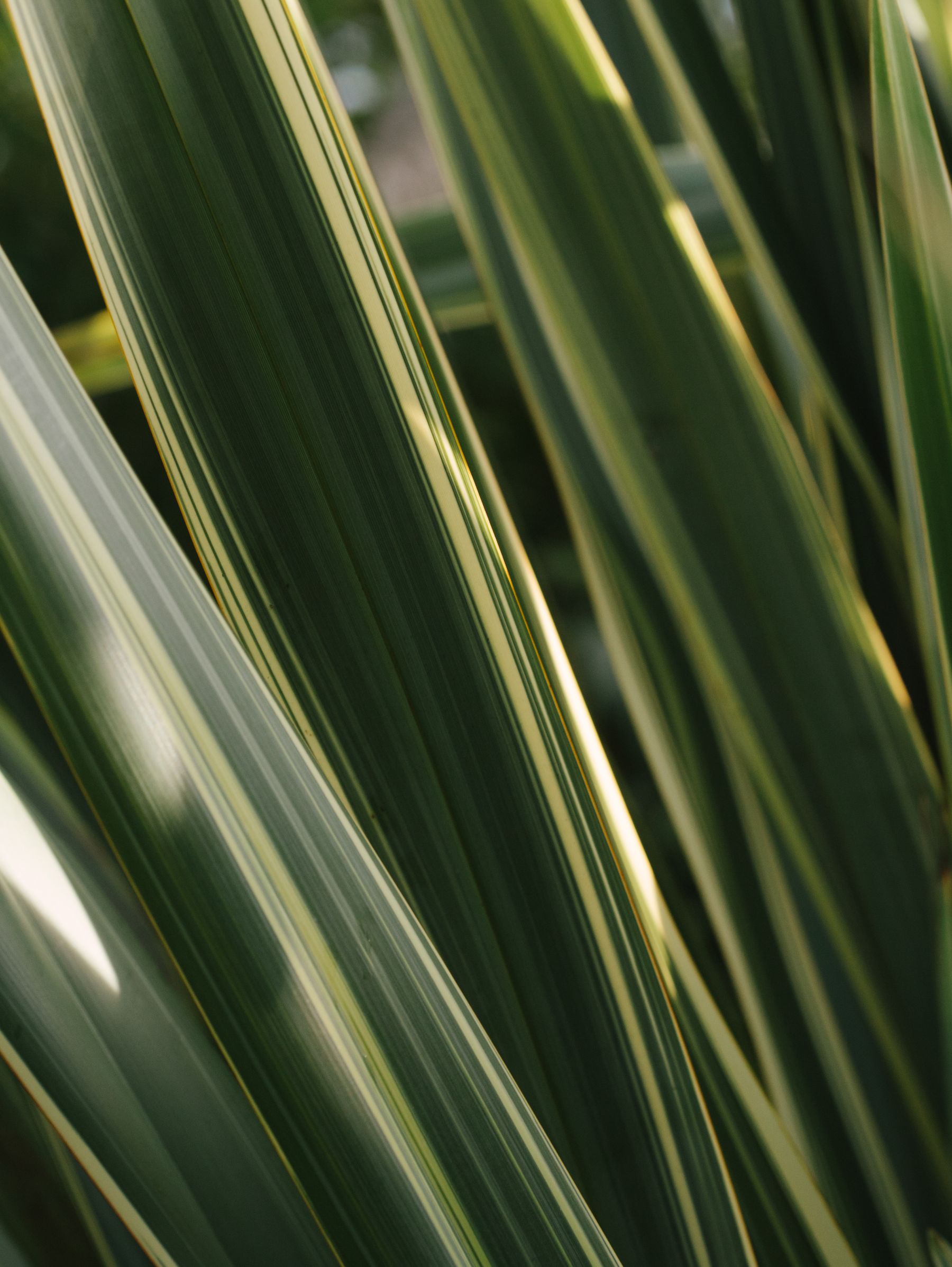
Spider plants release water vapor through transpiration, so a healthy plant contributes a small amount of moisture to the surrounding air. The source describes this as a natural humidifying effect, particularly useful when indoor heating makes rooms feel dry. A single plant will not replace a humidifier in a very dry home, but several healthy plants can contribute to a more pleasant indoor environment.
What Humidity Can Mean for Your Home
More comfortable humidity can make an indoor space feel less dry, although the actual effect from one houseplant depends on room size, ventilation, temperature, and the number of plants present. Spider plants themselves appreciate reasonable humidity, but they are adaptable. If the air is extremely dry, focus first on overall room humidity rather than expecting one plant to solve the problem.
5. They Work Well in Small Spaces
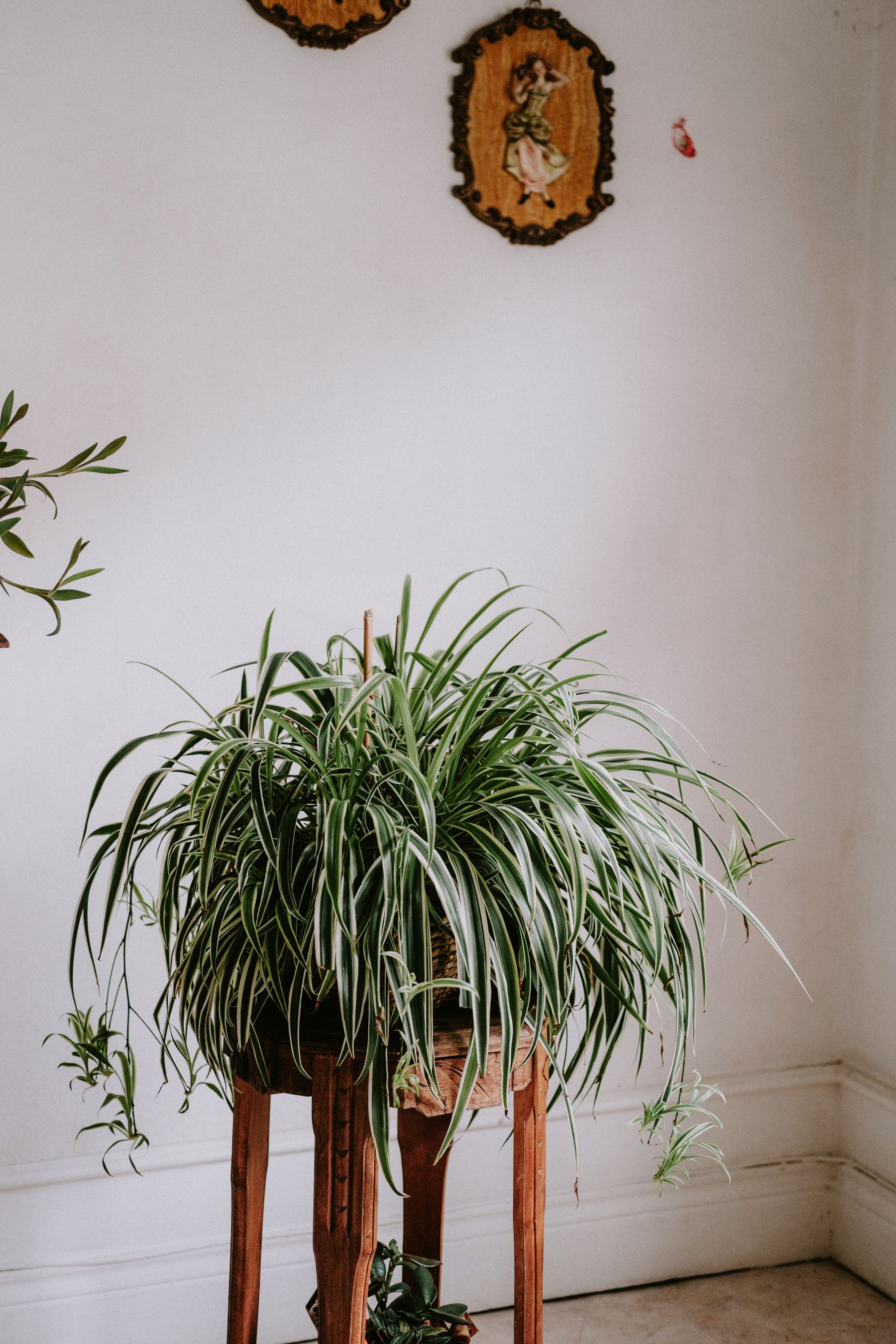
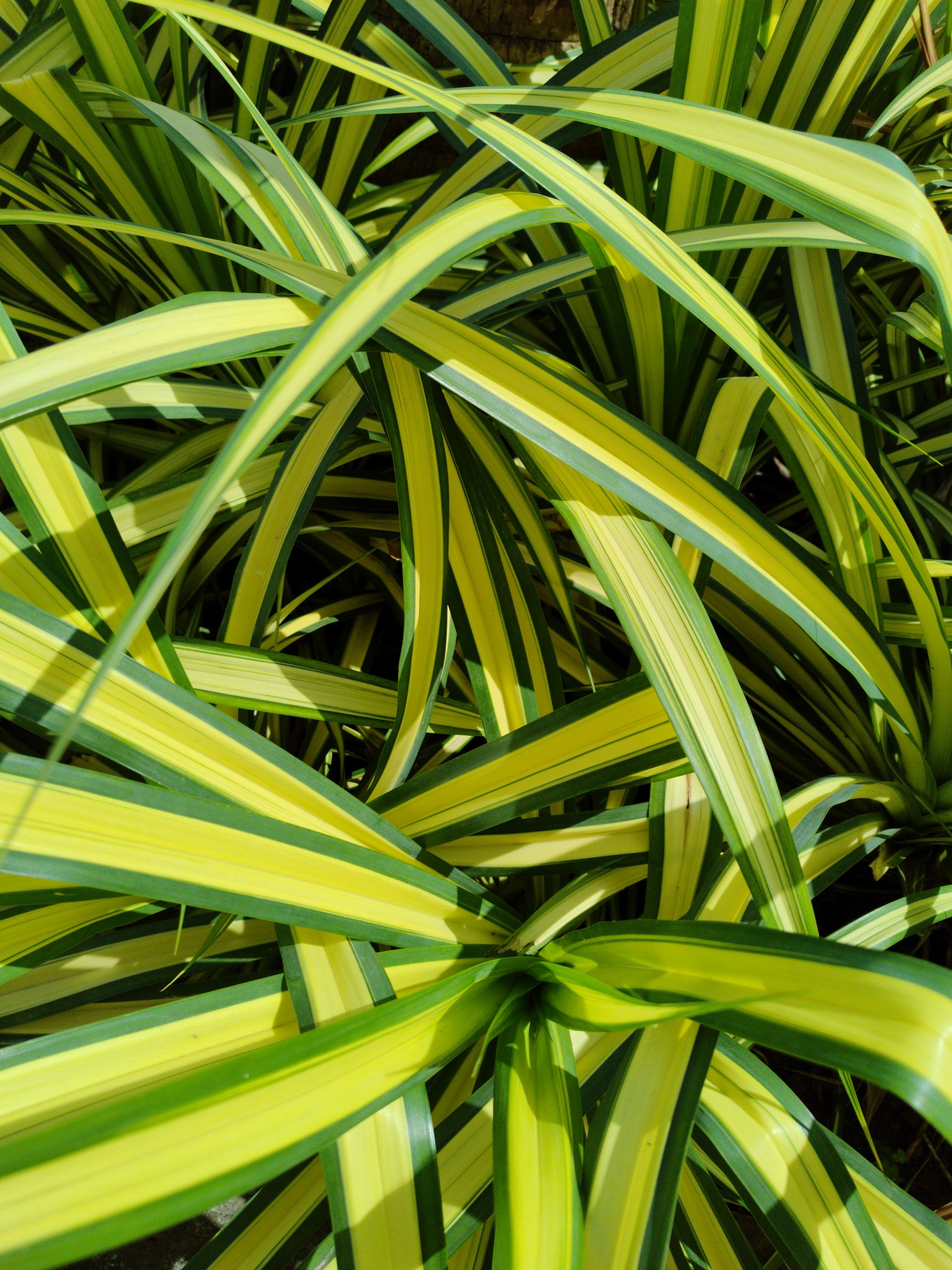
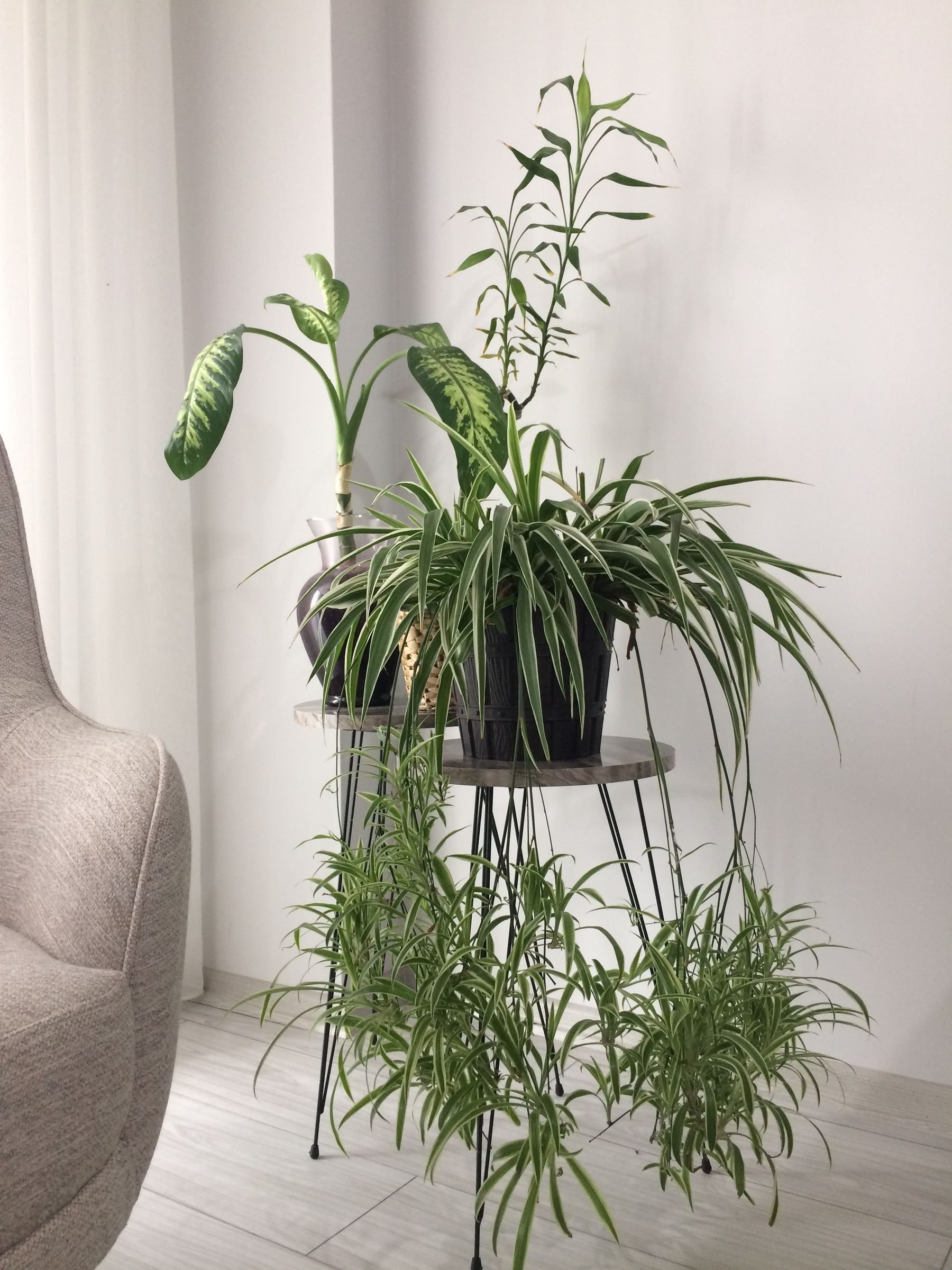
A spider plant does not require a large footprint. Its foliage naturally arches and cascades, making it useful on shelves, plant stands, countertops, or in hanging baskets. This is especially helpful in apartments and smaller homes where floor space is limited. A well-placed spider plant can add a strong visual touch of greenery without taking over a room.
Three Easy Decorating Ideas
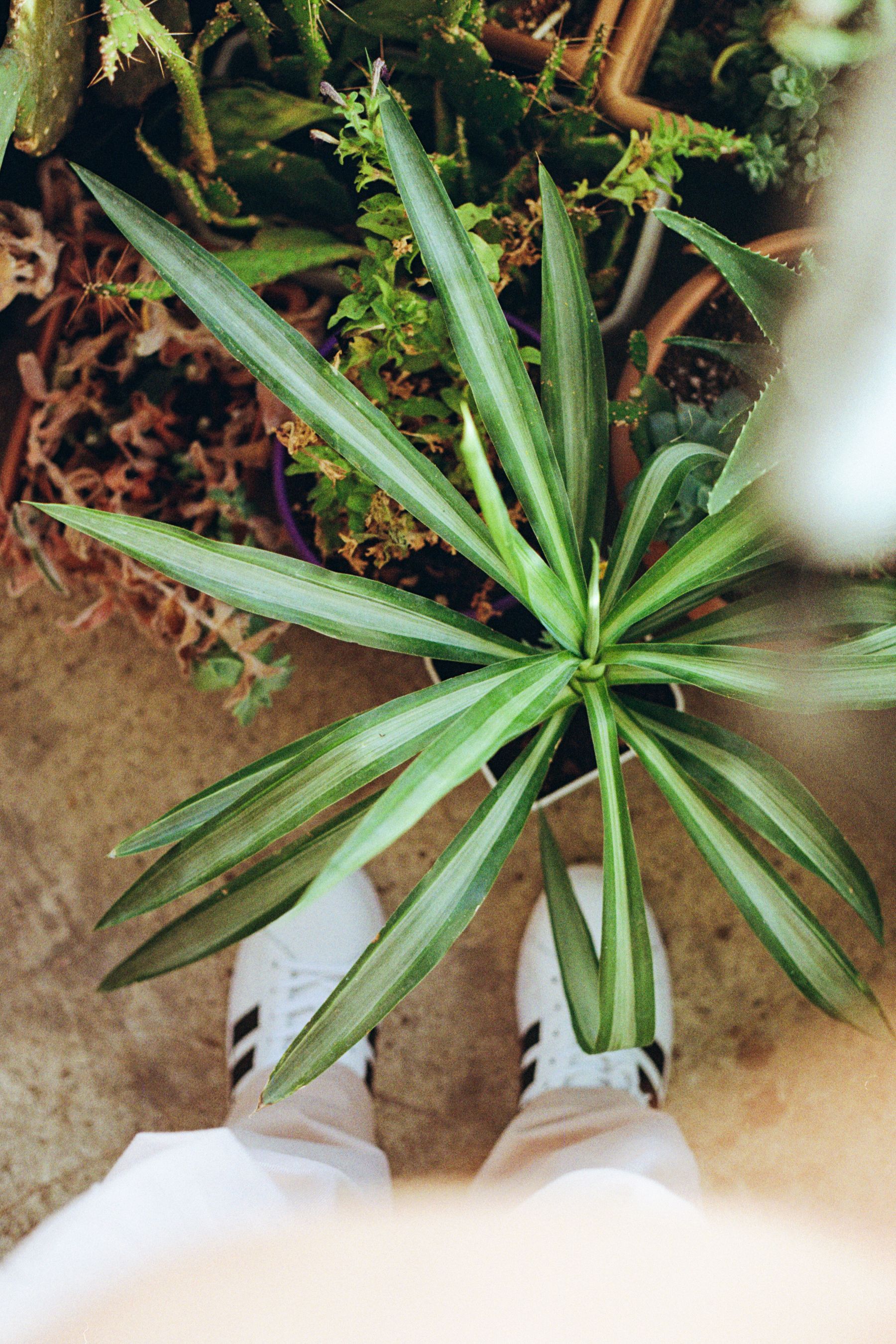
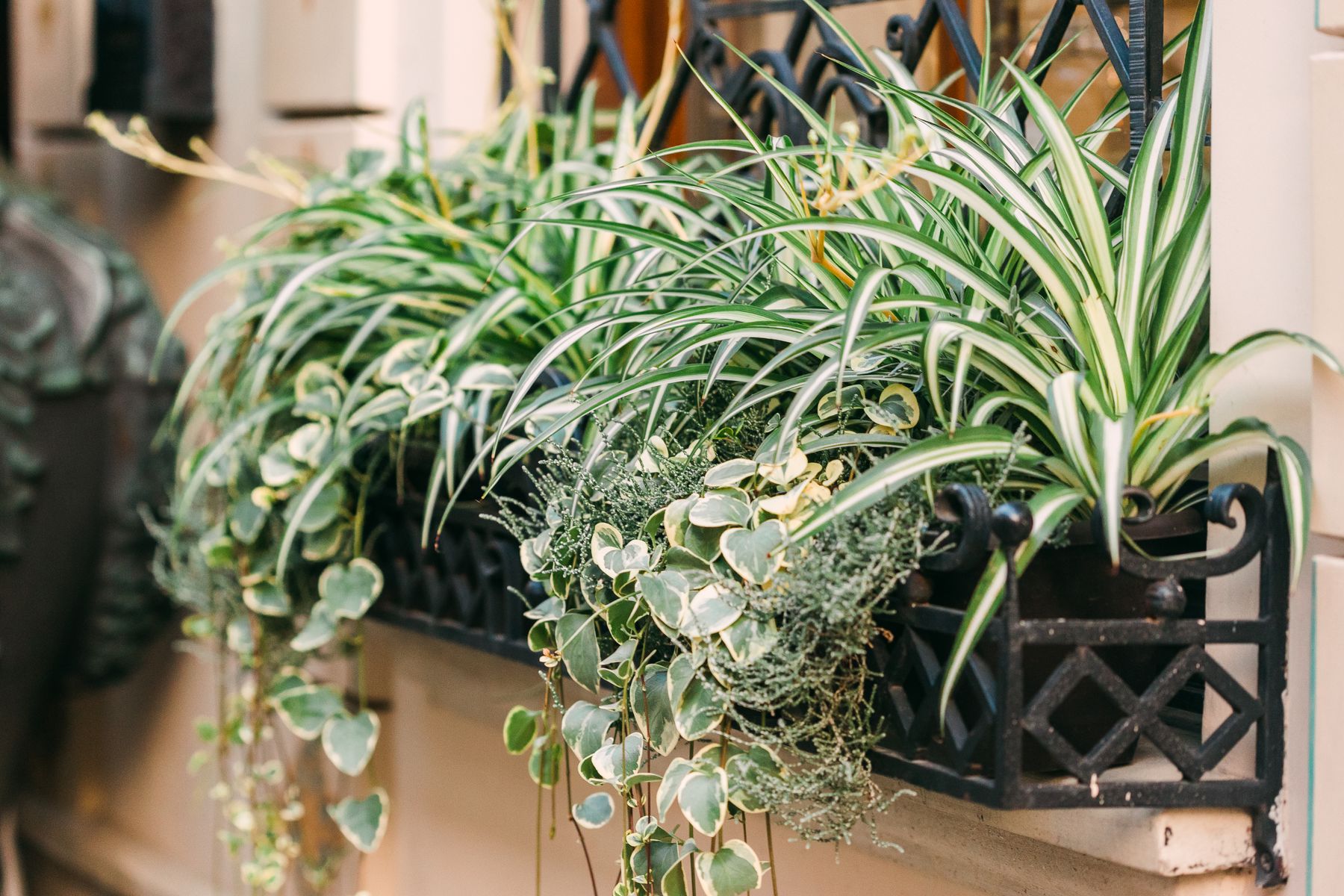
Use a hanging basket when you want the long leaves and plantlets to cascade freely. Place a smaller specimen on a shelf or tabletop where the striped foliage can soften a hard interior surface. A bright bathroom can also be a suitable display location when light levels are adequate. The goal is to match the plant’s light needs with the decorative spot rather than choosing a dark corner simply because it looks attractive.
6. Greenery Can Make a Room Feel Calmer
The source connects houseplants with reduced stress, improved focus, and better mood. Research on indoor plants and human well-being does suggest that interacting with greenery can support a more pleasant environment, although the effect varies by study and person. A spider plant is therefore best viewed as one small element of a calming space, not a treatment for anxiety or other health conditions.
A Natural Addition to a Home Office
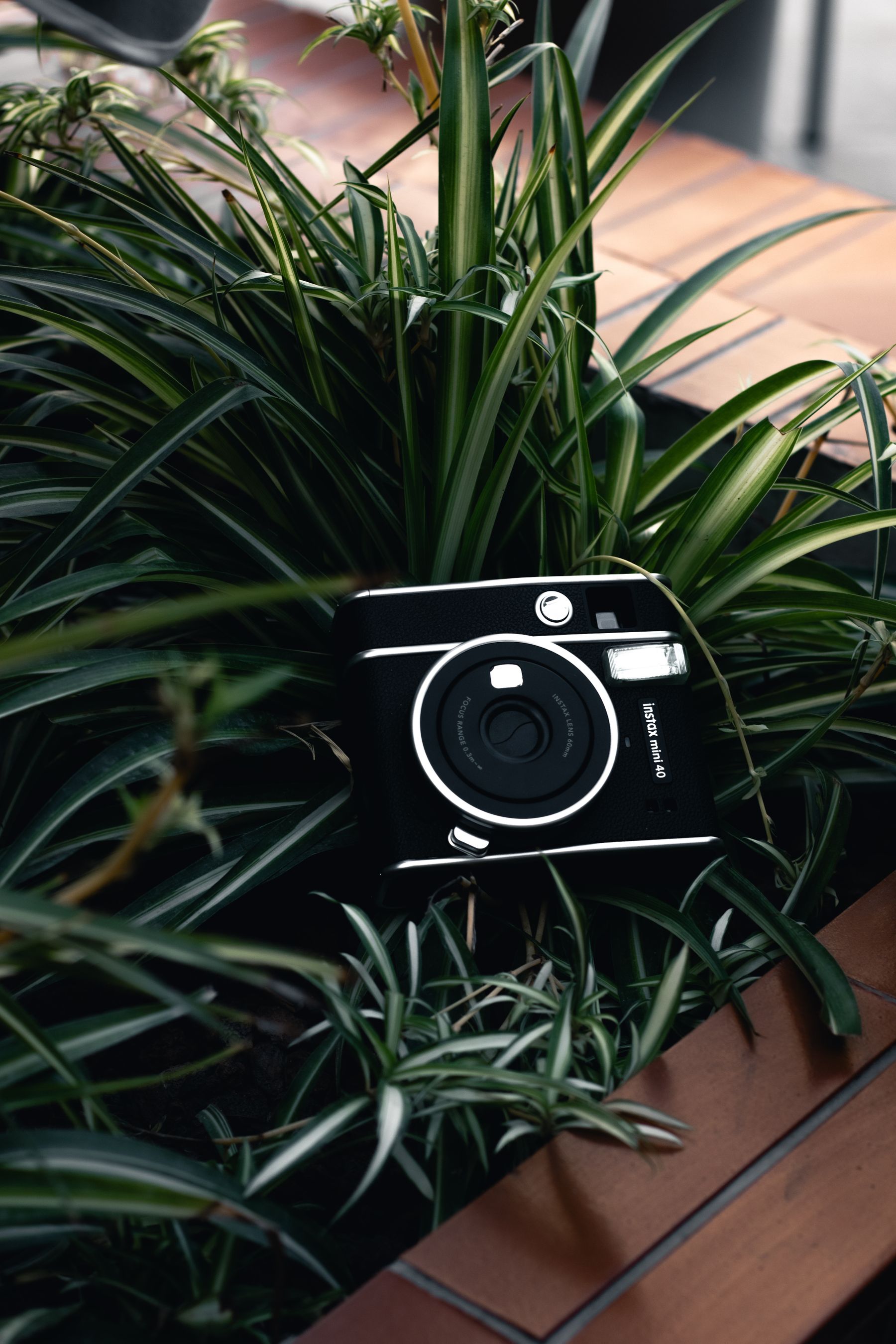
A spider plant can be particularly attractive in a workspace because it adds color and texture without demanding constant attention. Put it near a window with filtered light, keep the watering routine consistent, and avoid positioning it where direct midday sun can scorch the leaves. The simple presence of living foliage can make a desk area feel less stark and more inviting.
7. They Reproduce Easily
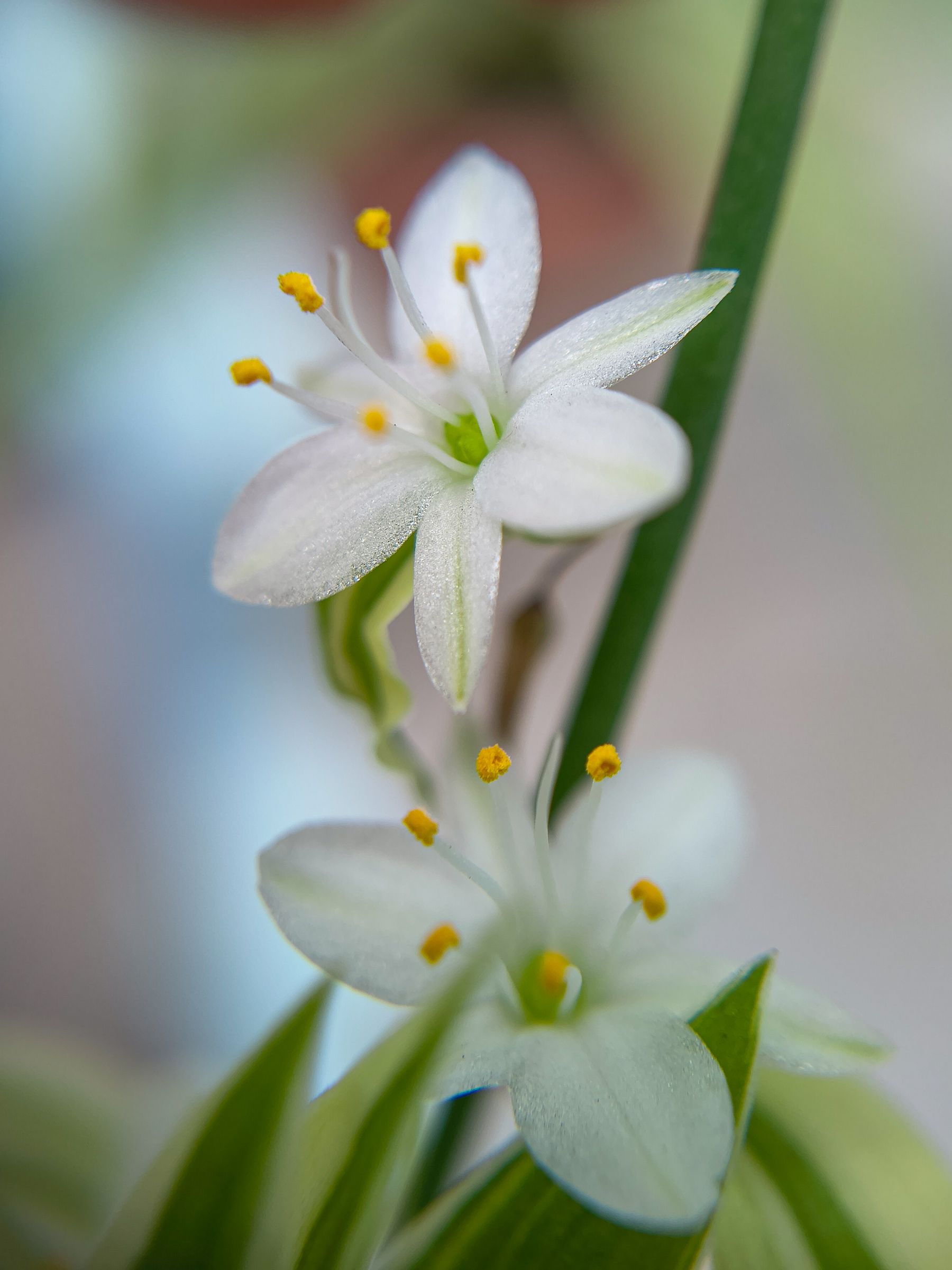
One of the most rewarding features of spider plants is their ability to produce plantlets, often called spiderettes. These small offshoots form on long stems from a mature plant. When a plantlet has developed roots, it can be separated and potted up as a new plant. You can also allow an attached plantlet to root while still connected to the mother plant before cutting the stem.
How to Propagate Spiderettes
Place a rooted plantlet into a small container filled with fresh, well-draining potting mix and keep it evenly but not excessively moist while it establishes. Another method is to set the attached plantlet onto the surface of a nearby pot so it can root before you sever the connecting stem. This makes spider plants especially fun for beginners because propagation can happen naturally as the parent plant matures.
8. They Are Budget-Friendly
A single healthy spider plant can eventually provide numerous plantlets, which means you can expand your collection without repeatedly buying mature plants. Those babies can be placed in other rooms or shared with friends and family. Their resilience can also reduce the frustration and expense associated with replacing delicate houseplants that fail after a few care mistakes.
Bonus: The Plant Has Symbolic Appeal
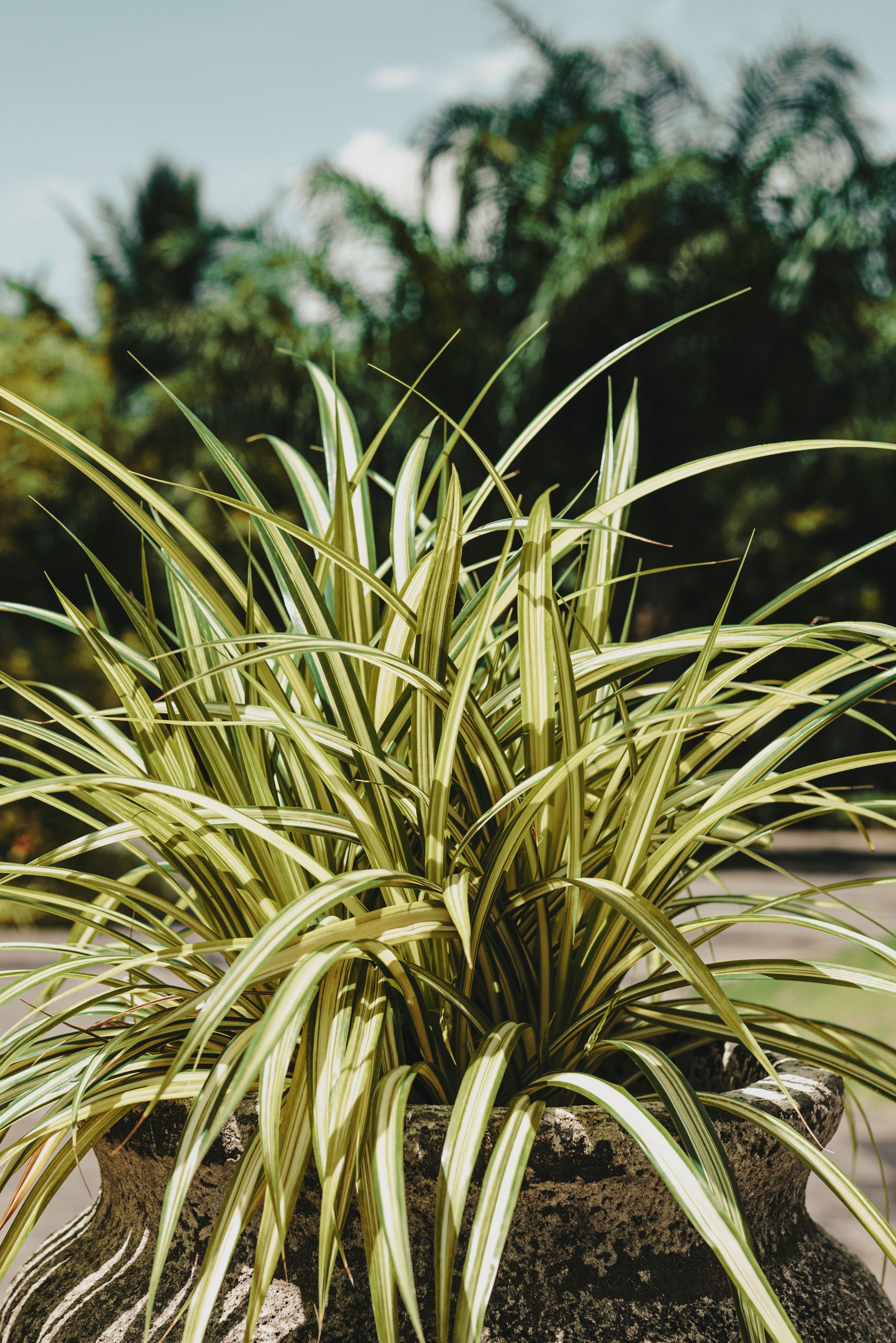
The source also mentions a symbolic reason to grow spider plants: in some cultures they are associated with good luck and prosperity. Symbolism varies from place to place, so this is best treated as a cultural tradition rather than a universal meaning. Even without the symbolism, the plant’s graceful leaves and trailing plantlets make it a cheerful addition to a home.
Where to Put a Spider Plant
Think bright but filtered when choosing a location. A windowsill with gentle natural light can work well, while a hanging basket near a bright window can showcase the plant’s cascading shape. Bathrooms can offer useful humidity, and bedrooms or offices can benefit from the visual softness of greenery. Avoid harsh direct sun, especially through hot glass, because it can damage foliage.
Common Problem: Brown Leaf Tips
Brown tips are a common complaint with spider plants. The source associates them with fluoride in tap water, but other factors can contribute as well, including inconsistent watering, salt buildup, very dry air, or environmental stress. Start by checking the watering routine and drainage. If your local tap water seems to trigger repeated tip burn, try a better-suited water source and flush accumulated salts from the potting mix occasionally.
Common Problem: Pests
Spider plants are generally easygoing, but they can still encounter pests such as spider mites, aphids, scale, or whiteflies. Inspect leaves regularly, especially when a plant looks stressed. For a small infestation, physically cleaning the foliage and using an appropriate insecticidal soap according to its label can be useful. Avoid treating a plant unnecessarily when there is no pest problem to solve.
Common Problem: Overwatering
Overwatering is one of the easiest ways to create trouble for a spider plant. The roots need oxygen as well as moisture, so constantly saturated soil can encourage root problems. Use a pot with drainage holes, let the upper portion of the soil dry somewhat between waterings, and never leave the plant standing in water for long periods.
The Bottom Line
Spider plants remain popular for good reason. They are attractive, adaptable, easy to propagate, useful in small spaces, and generally considered safe for homes with cats and dogs. Their air-quality and humidity benefits should be kept in perspective, but their decorative and beginner-friendly qualities are genuine. Give one bright indirect light, sensible watering, good drainage, and enough room for its cascading foliage, and it can become a long-lived part of your indoor garden.