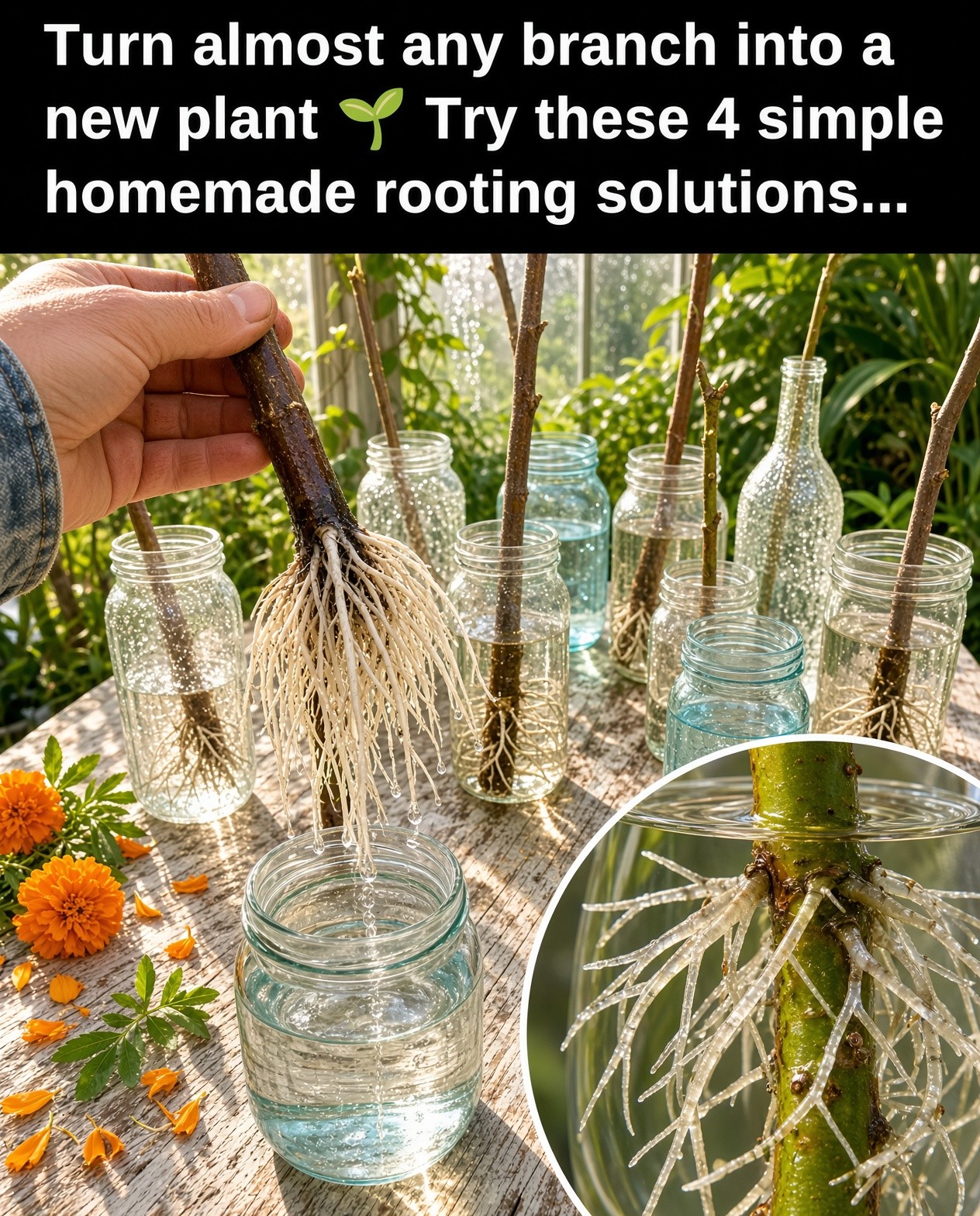
How to Grow Root Cuttings Naturally: 4 Homemade Solutions
A practical rewrite of the four homemade solutions featured by Tiny Garden Habit for getting root cuttings started naturally.
Why Root Cuttings Are Worth Trying
Root cuttings are a traditional way to propagate plants, and one of their biggest attractions is the possibility of producing several new plants from a single parent plant. If you already have healthy root cuttings, the next question is how to encourage them to get established. The source focuses on simple homemade solutions that gardeners can prepare without buying a specialized rooting product.
Why Use Homemade Solutions?
Commercial rooting products are available, but the source suggests natural homemade options for gardeners who prefer simple ingredients already found at home. It presents these methods as optional and says rooting solutions are not mandatory for root development. The important point is to treat them as supportive experiments rather than guaranteed shortcuts.
Prepare the Root Cuttings First
The methods in the source all follow the same basic idea: prepare the root cutting, treat the cut end with the chosen homemade solution, and then plant it in potting soil. Keeping the process simple makes it easier to observe what happens. Choose healthy-looking material and handle the cutting carefully before applying any treatment.
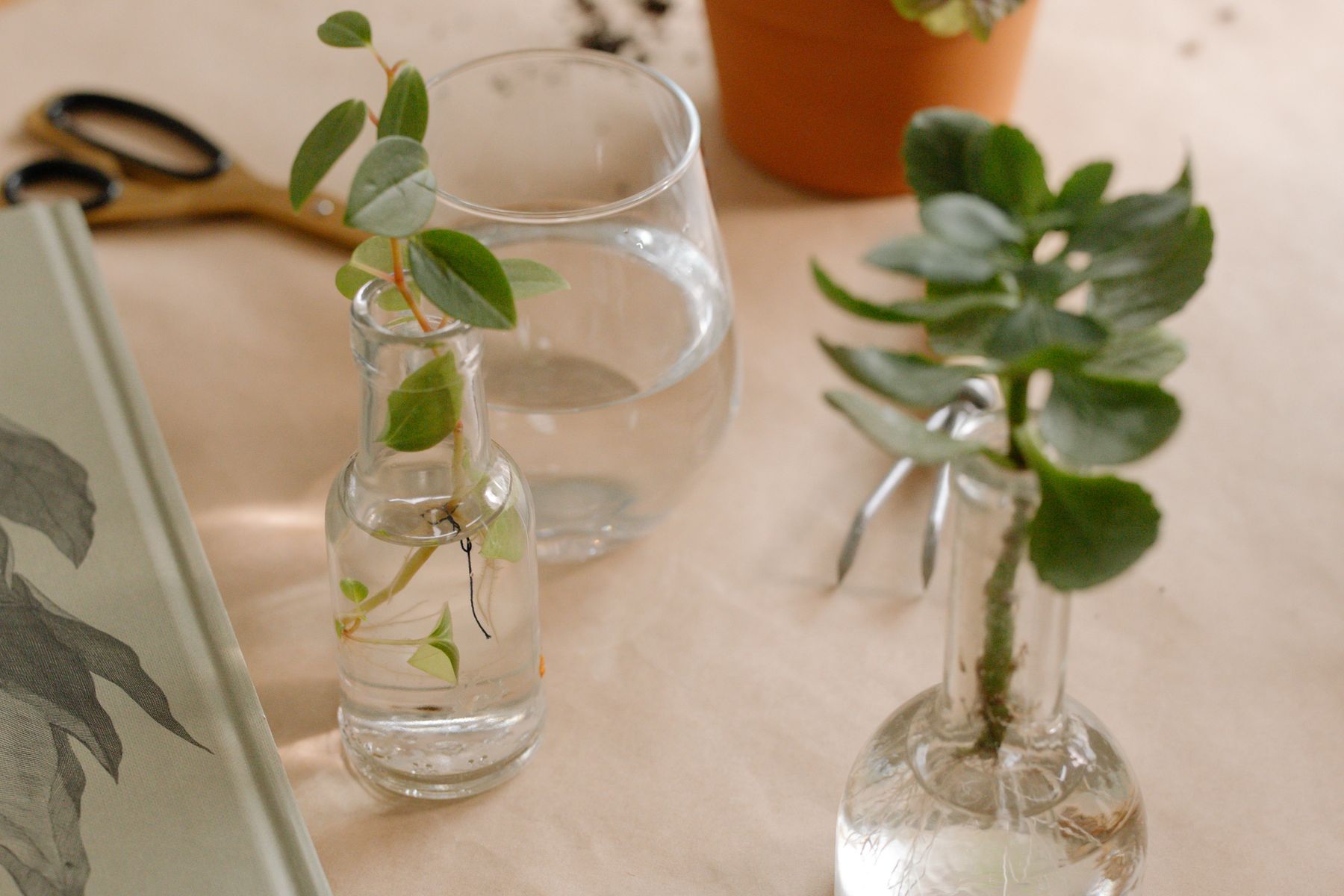
1. Aloe Vera Dip
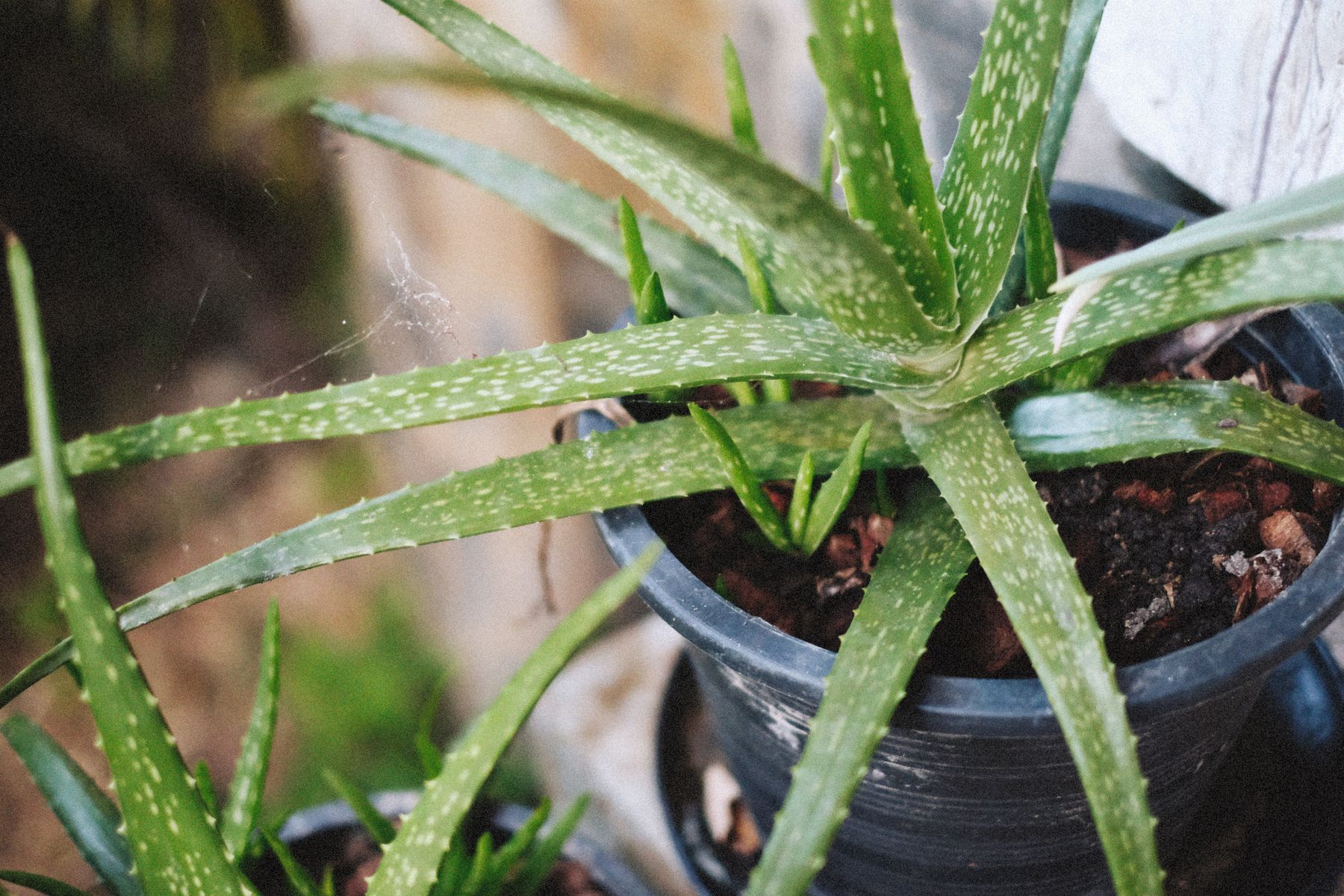
Aloe vera is the first solution featured in the original article. The source describes the gel as containing natural compounds associated with healthy root development. For gardeners who already grow aloe, this approach is particularly convenient because the ingredient is available directly from a plant rather than requiring a trip to the garden center.
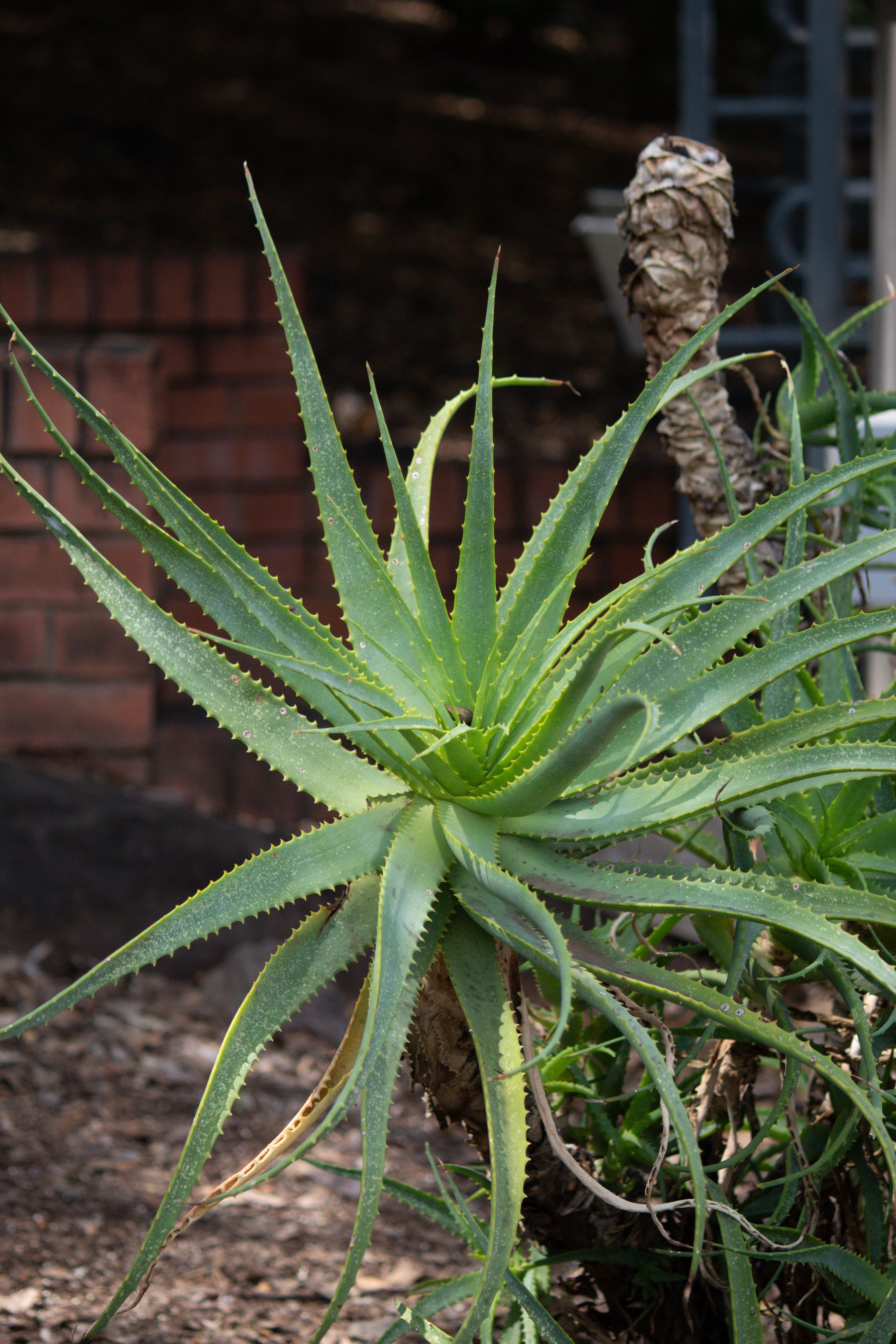
How to Make an Aloe Vera Dip
Take a small piece of aloe vera, cut it open, and scoop the clear gel into a clean bowl. Dip the cut end of the root cutting into the gel, then continue with the planting process and place the cutting into potting soil. The source keeps the method deliberately simple: coat the cut end, plant it, and allow time for development.
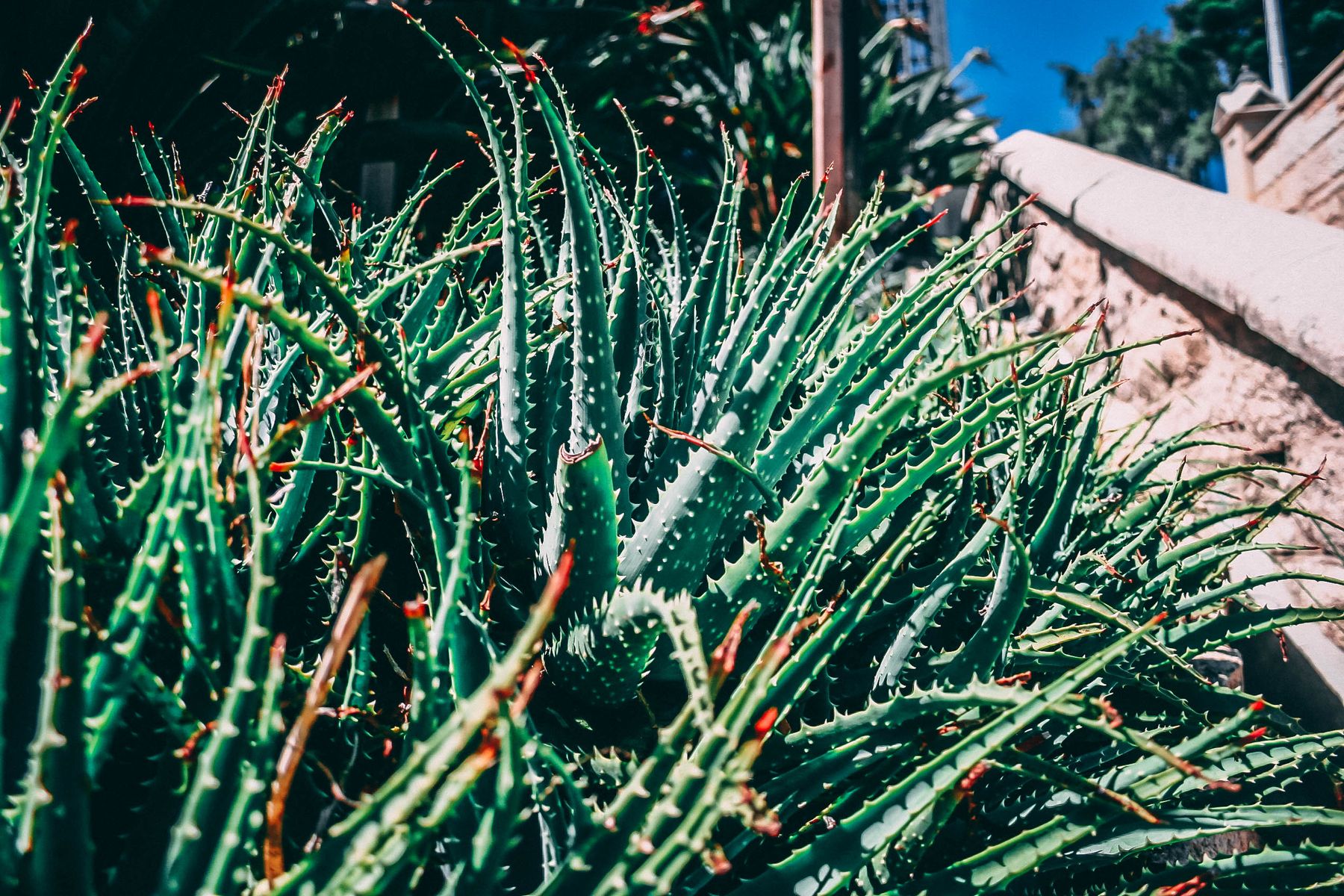
Why Aloe Is Appealing
The attraction of aloe is mainly its accessibility. It is a familiar household plant for many gardeners, and the preparation requires little equipment. The source presents aloe as a natural way to encourage vigorous root development, but the article’s broader conclusion is important: a homemade rooting aid remains optional, and successful propagation still depends on the cutting being able to develop on its own.
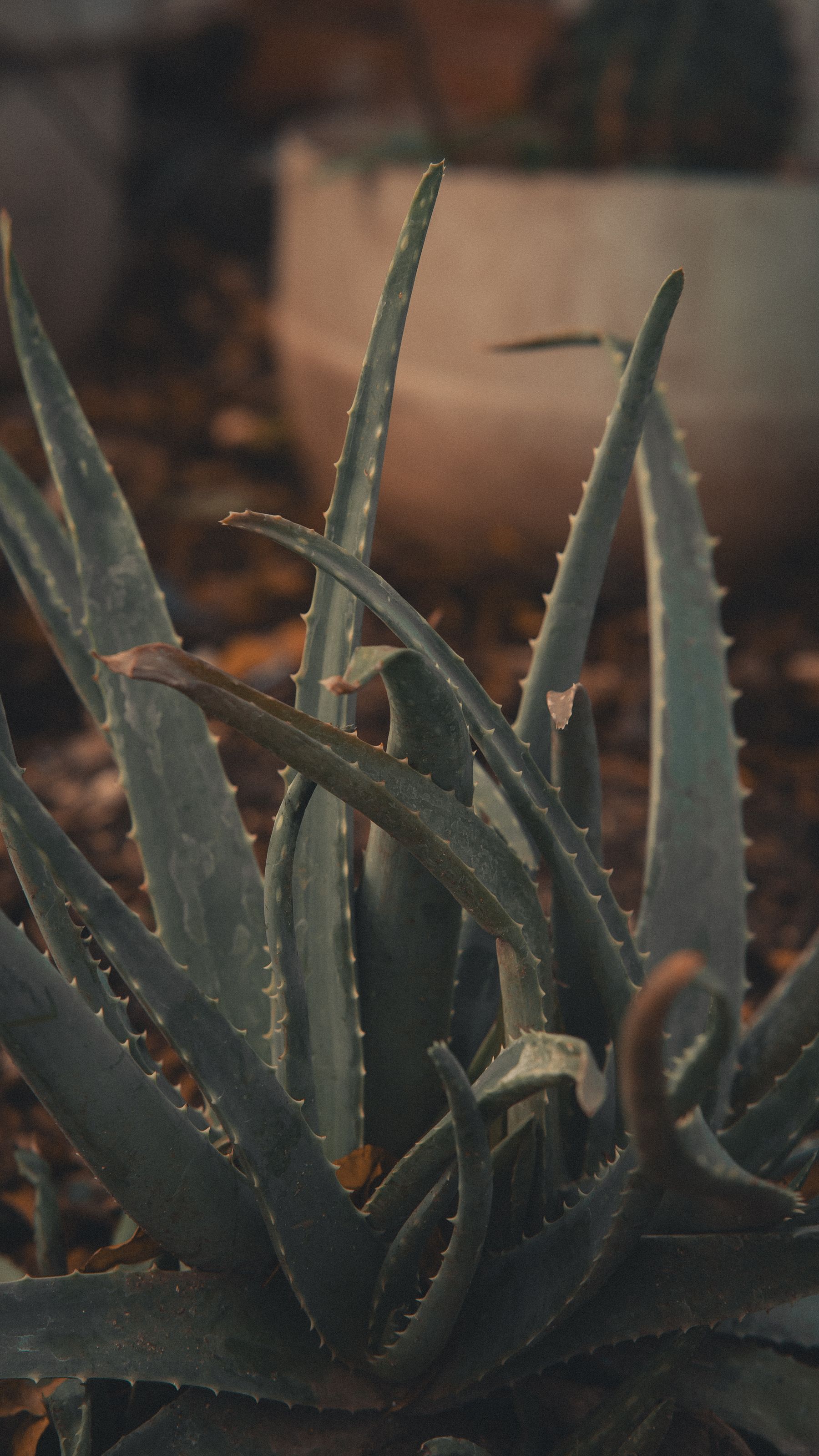
2. Honey Dip
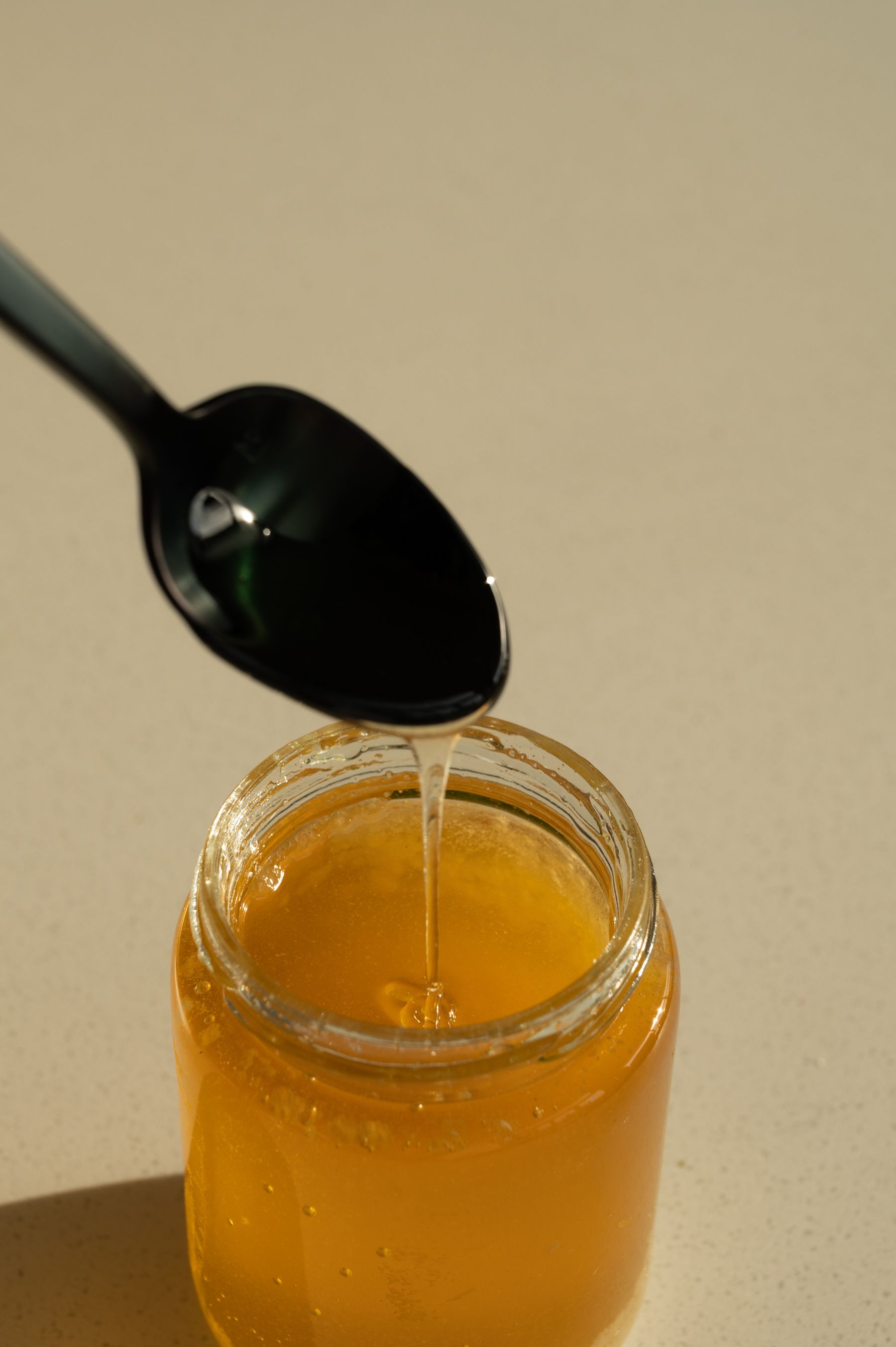
Honey is the second homemade option. Unlike a conventional rooting hormone, the source does not claim that honey contains a compound that directly stimulates roots. Instead, it points to honey’s antimicrobial properties and its long history as a traditional gardening remedy. The source also acknowledges that scientific evidence for honey as a rooting-hormone replacement is limited.
How to Use Honey
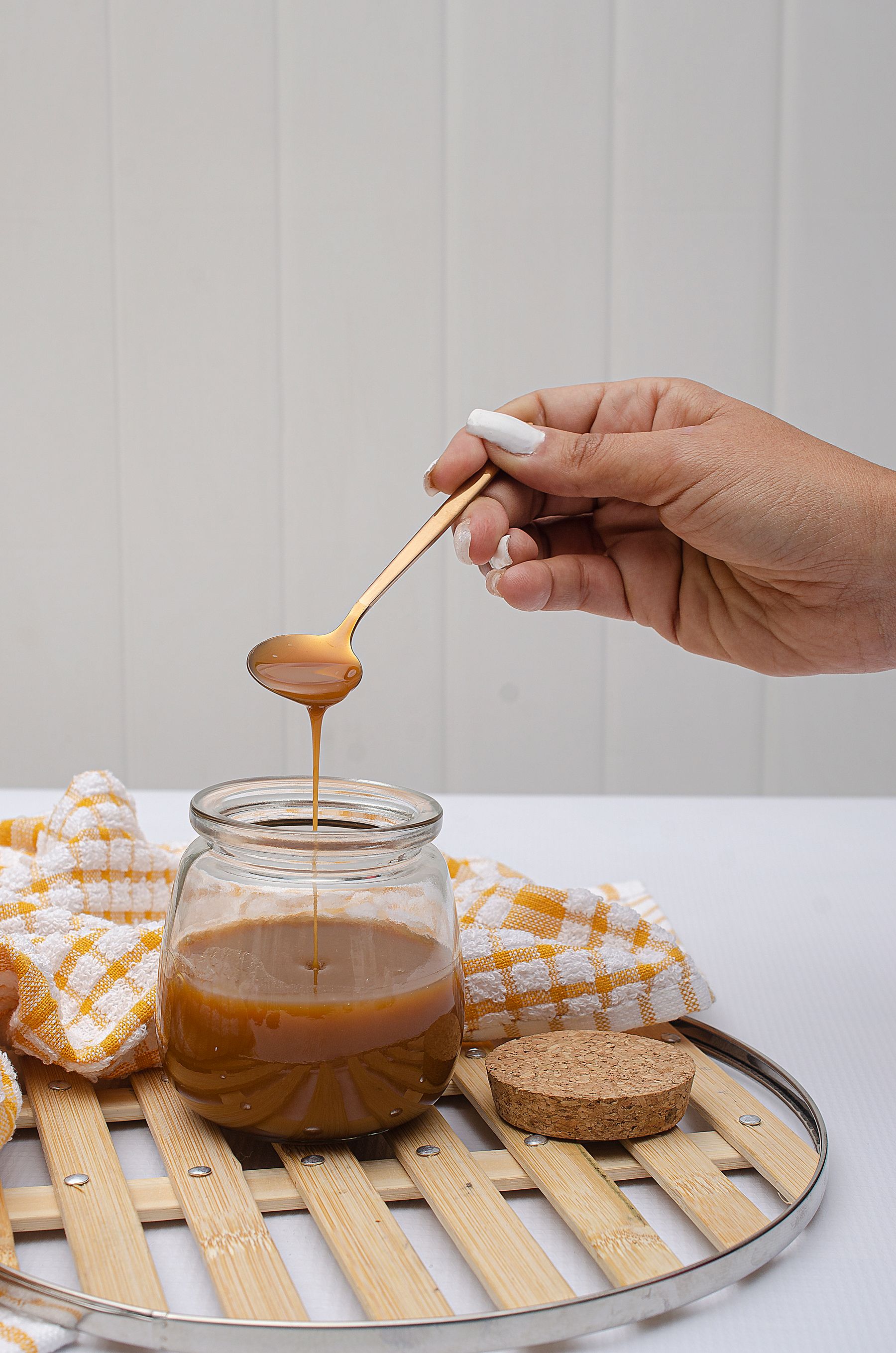
The recommended approach is to use a small amount of diluted honey water and dip the cut end of the root cutting into it before planting. After that, follow the normal planting routine. There is no need to saturate the cutting; the source describes the honey treatment as a simple preliminary step before the cutting goes into potting soil.
Keep Honey Expectations Realistic
This is one of the most useful cautions in the source. Some gardeners strongly believe in honey as a rooting aid, but the article itself says there is little scientific evidence confirming that it functions as a rooting hormone. Think of it as a low-cost experiment rather than a guaranteed formula. If you test it, observe actual rooting success rather than assuming the treatment must work.
3. Comfrey Tea Spray
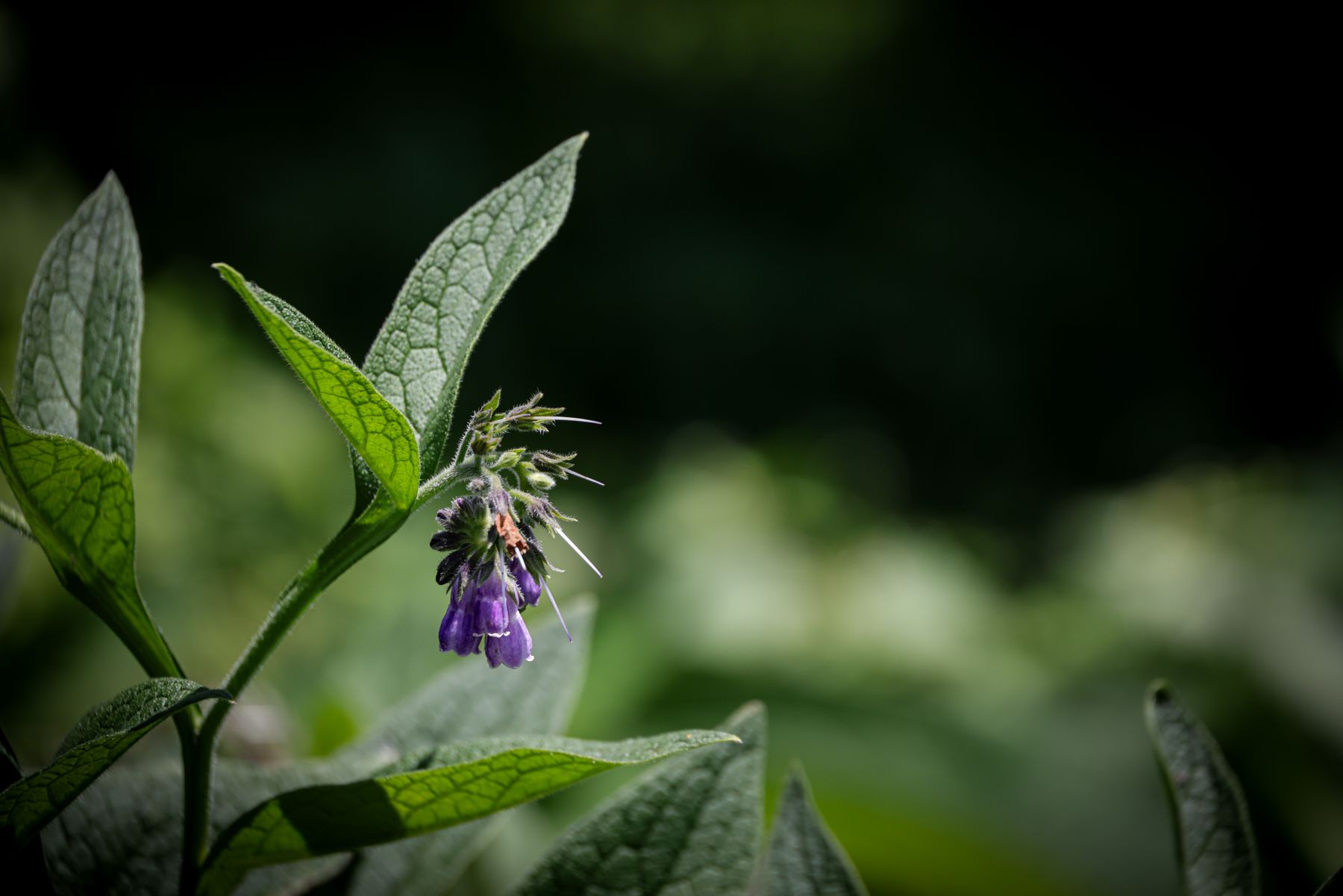
Comfrey tea is the third solution discussed. Gardeners commonly make comfrey tea as a homemade fertilizer, but the source proposes using a strong preparation as a spray for root cuttings. It attributes the proposed benefit to allantoin and describes the compound as supportive of strong root development.
How to Use Comfrey Tea
The source’s method is straightforward: brew a strong comfrey tea, transfer it to a spray bottle, and mist the root cuttings with it. Results may take time, so the article does not present this as an instant treatment. The emphasis is on repeated, patient care rather than expecting a dramatic change immediately after the first application.

A Light Mist Is the Whole Idea
The article specifically describes misting the cuttings rather than soaking them in the tea. That keeps the method easy to incorporate into a propagation routine. As with the other solutions, the homemade preparation should not become a substitute for appropriate planting and aftercare. Give the cuttings time and watch for signs of successful establishment.
4. Apple Cider Vinegar Dip
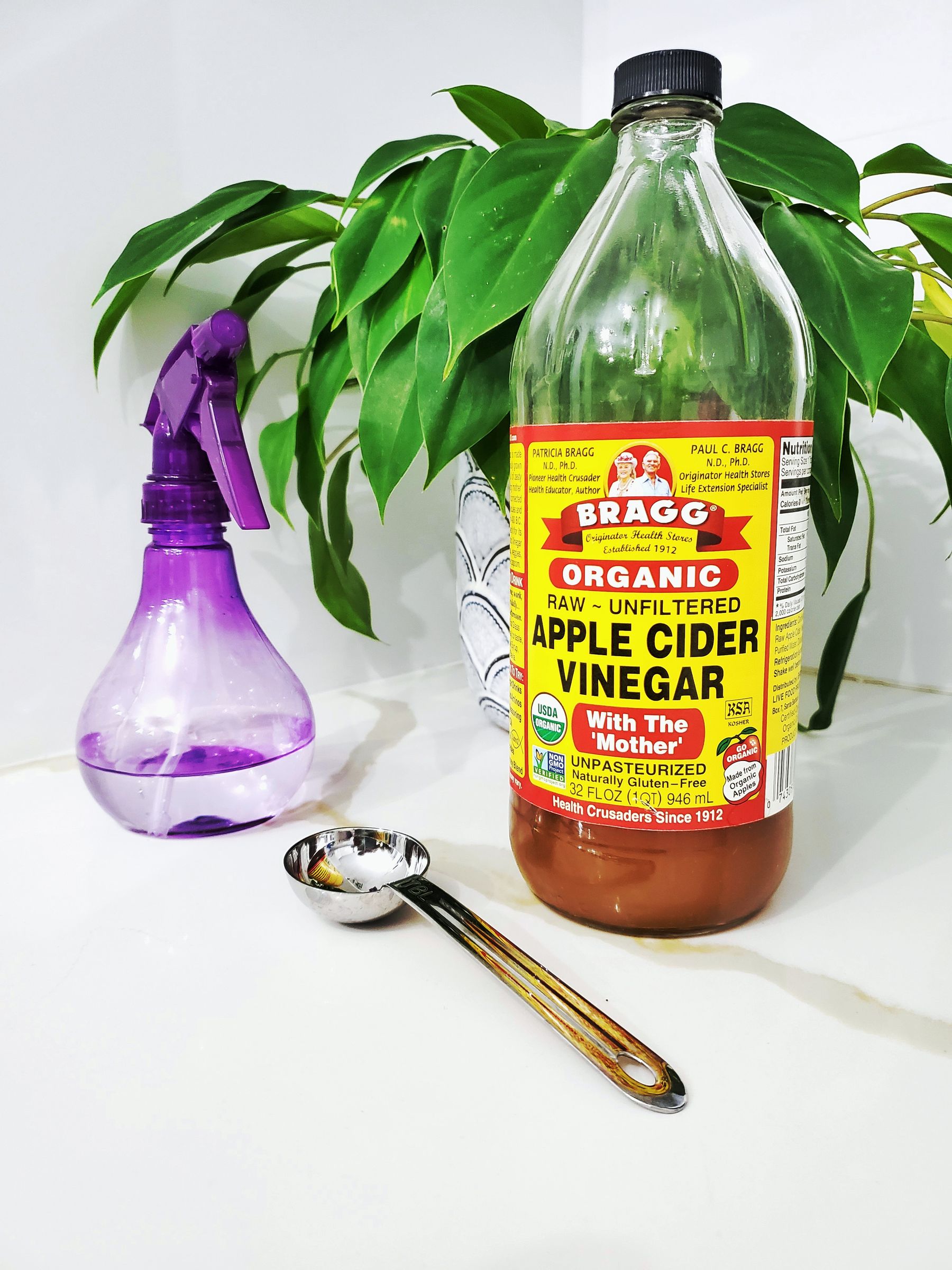
Apple cider vinegar is the fourth and final solution. The source gives a specific dilution: two to three tablespoons of apple cider vinegar mixed into one gallon of water. The cut end of the root cutting is then dipped into the solution before it is planted in potting soil. The article describes acetic acid as the reason the method may help stimulate rooting.
The Apple Cider Vinegar Recipe
To follow the source exactly, combine two to three tablespoons of apple cider vinegar with one gallon of water. Mix the solution, dip the cut end of the root cutting, and proceed with planting. Because the method depends on dilution, avoid treating the concentrated vinegar itself as a rooting solution. The source’s recommendation is specifically for the diluted mixture.
Plant the Treated Cutting
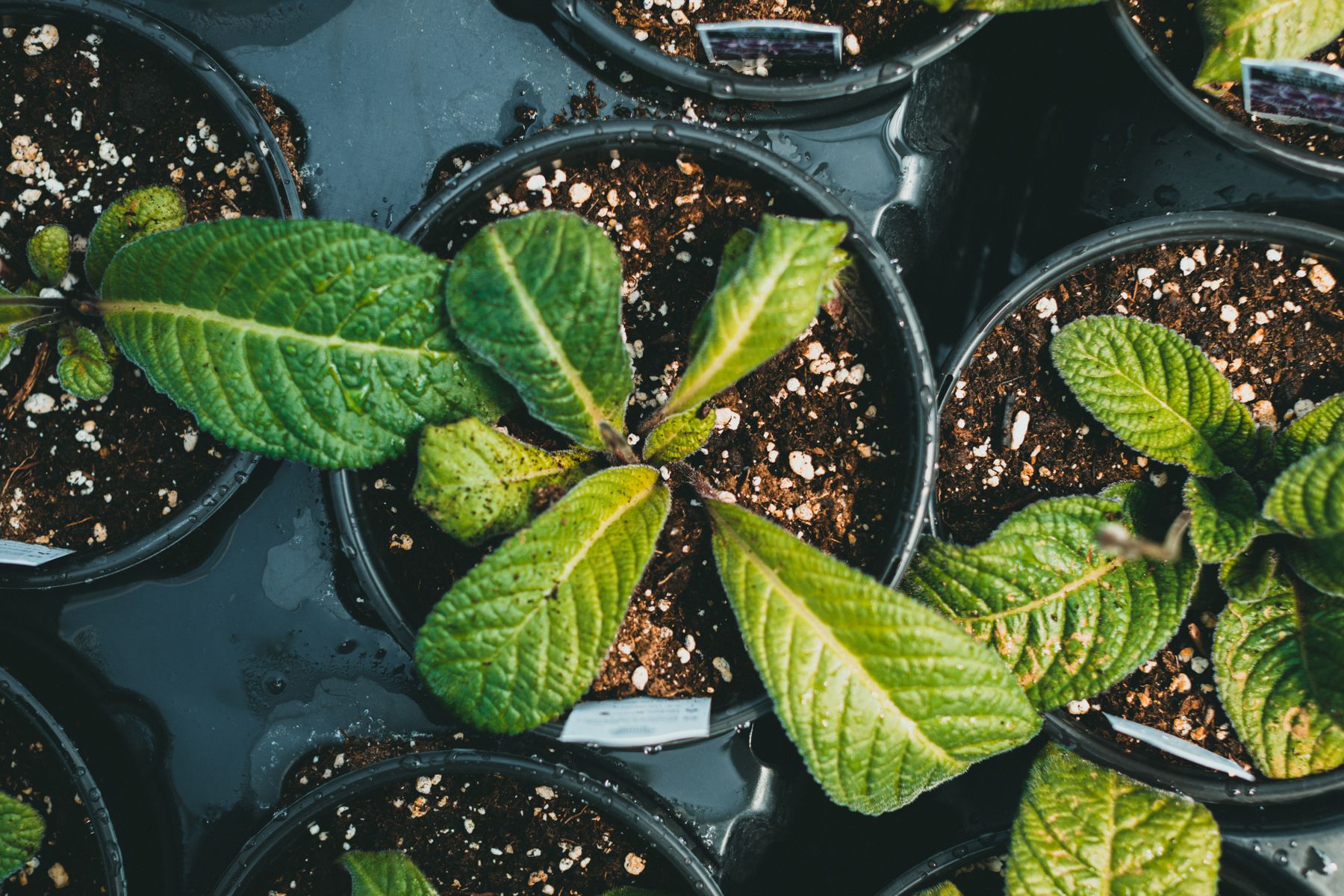
After using any of the four homemade solutions, the next step is planting the cutting into potting soil. The source does not suggest that the treatment replaces the growing medium or the rest of the propagation process. Think of the solution as one small part of the routine: treat the cut end, plant it, and then give the cutting time to respond.
Give Root Cuttings Time
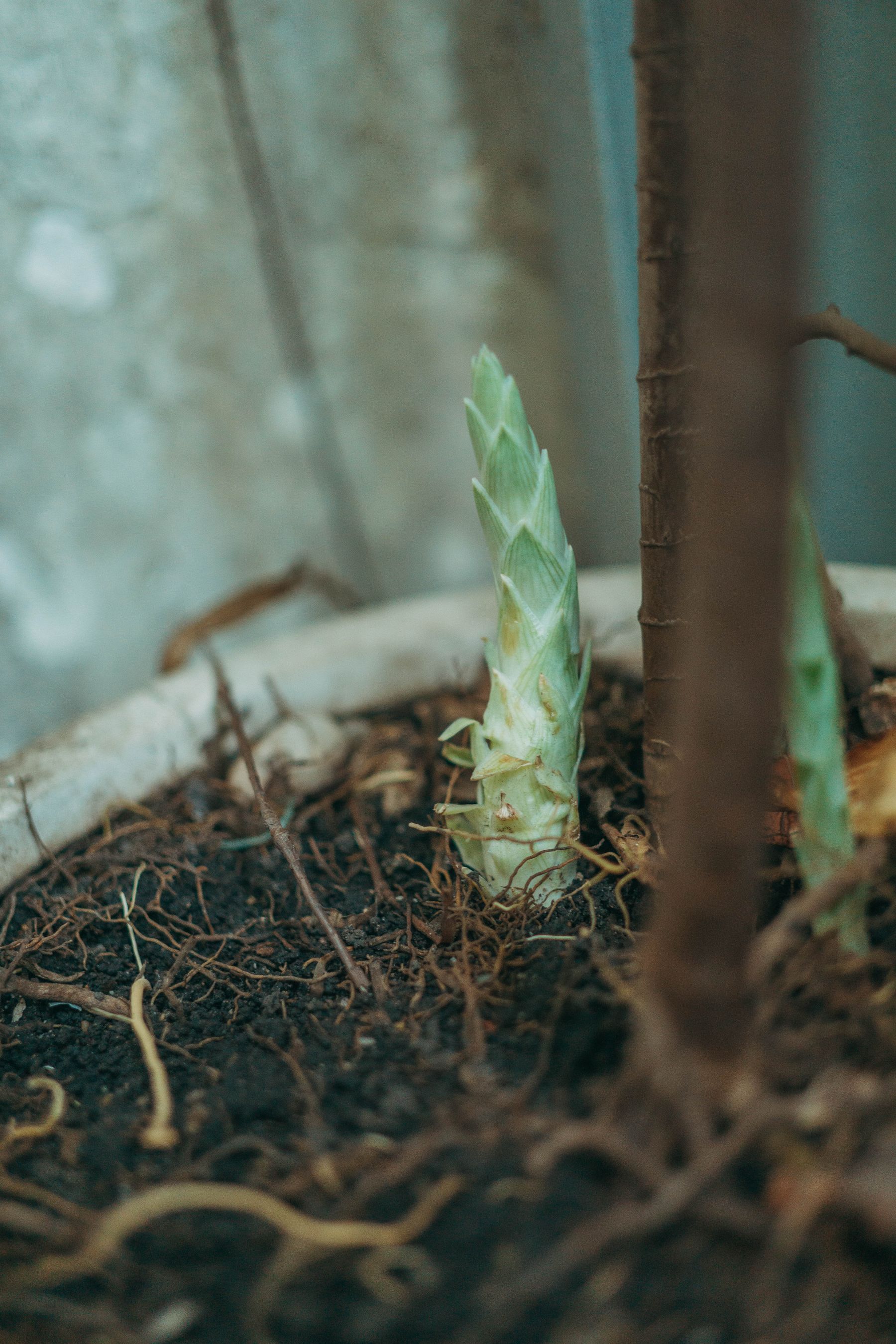
Propagation is not always immediate, and the original article acknowledges that some methods can take time to show results. If you are experimenting, treating several cuttings can give you a more useful comparison than relying on a single cutting. Label the groups so you know which solution was used, then watch how each group performs.
Which Method Should You Choose?
The source does not declare one universal winner. Aloe vera is presented as a simple gel dip, honey as a traditional option with limited evidence for rooting, comfrey as a spray, and diluted apple cider vinegar as a dip with a specific recipe. If you want to experiment, choose one method at a time and keep the general planting process as consistent as possible.
Natural Does Not Mean Guaranteed
One of the clearest conclusions in the source is that rooting hormones, whether commercial or homemade, are optional. A cutting does not automatically need a rooting solution to develop roots. The homemade methods are best viewed as accessible techniques gardeners can try when they want to experiment with natural materials.
A Simple Propagation Experiment
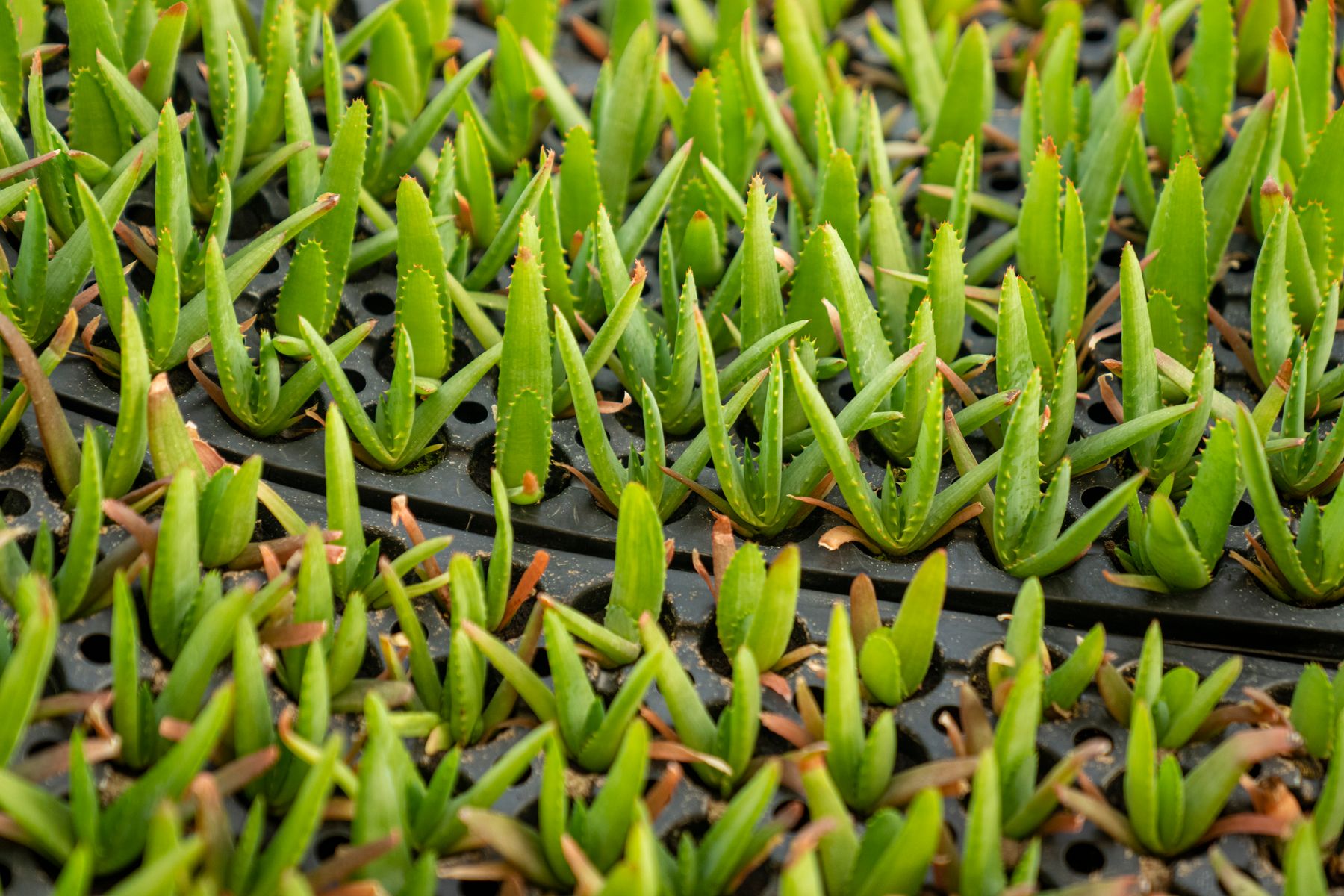
For a practical test, prepare several similar root cuttings and divide them between different treatments. Label each group, use the same general potting setup, and give them comparable care. You could compare aloe vera with diluted vinegar, or test honey and comfrey tea separately. Recording which cuttings establish successfully will tell you more about what works in your own conditions than relying on a promise of guaranteed results.
Final Thoughts
The four homemade solutions featured by Tiny Garden Habit offer simple ways to experiment with root-cutting propagation. Aloe vera, honey, comfrey tea, and diluted apple cider vinegar each have a different explanation or traditional use in the source. The most important takeaway is to keep expectations realistic. These treatments are optional, not mandatory, and successful propagation still depends on giving the cuttings a suitable start and enough time to develop.