
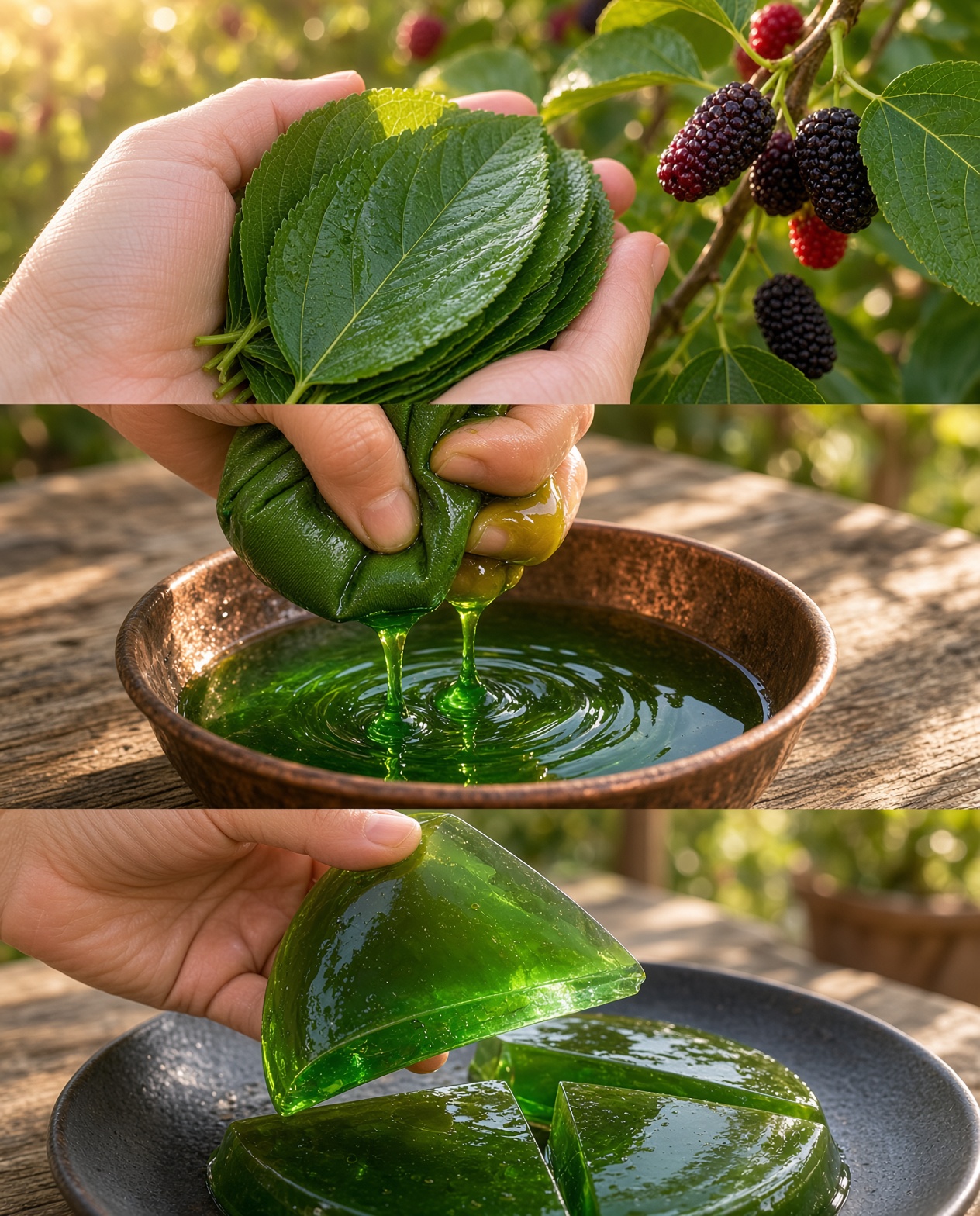
Mulberry trees are best known for their berries, but their leaves have a long history of use as a food and herbal ingredient. With the right identification and preparation, the leaves can be brewed, cooked, dried into powder, or used in simple traditional topical preparations. This guide walks through the process from the tree to the kitchen while keeping traditional claims separate from what modern research can actually establish.
Why Mulberry Leaves Are Worth Knowing
Mulberry trees are usually celebrated for their sweet berries, but the leaves have also been used traditionally as a food ingredient and in herbal preparations. The supplied source presents mulberry leaves as a versatile resource that can be harvested, dried, brewed, cooked, powdered, or prepared for topical use. That makes the leaf interesting for gardeners and foragers who want to learn more about useful plants growing around them.
Learning to Identify Mulberry Leaves
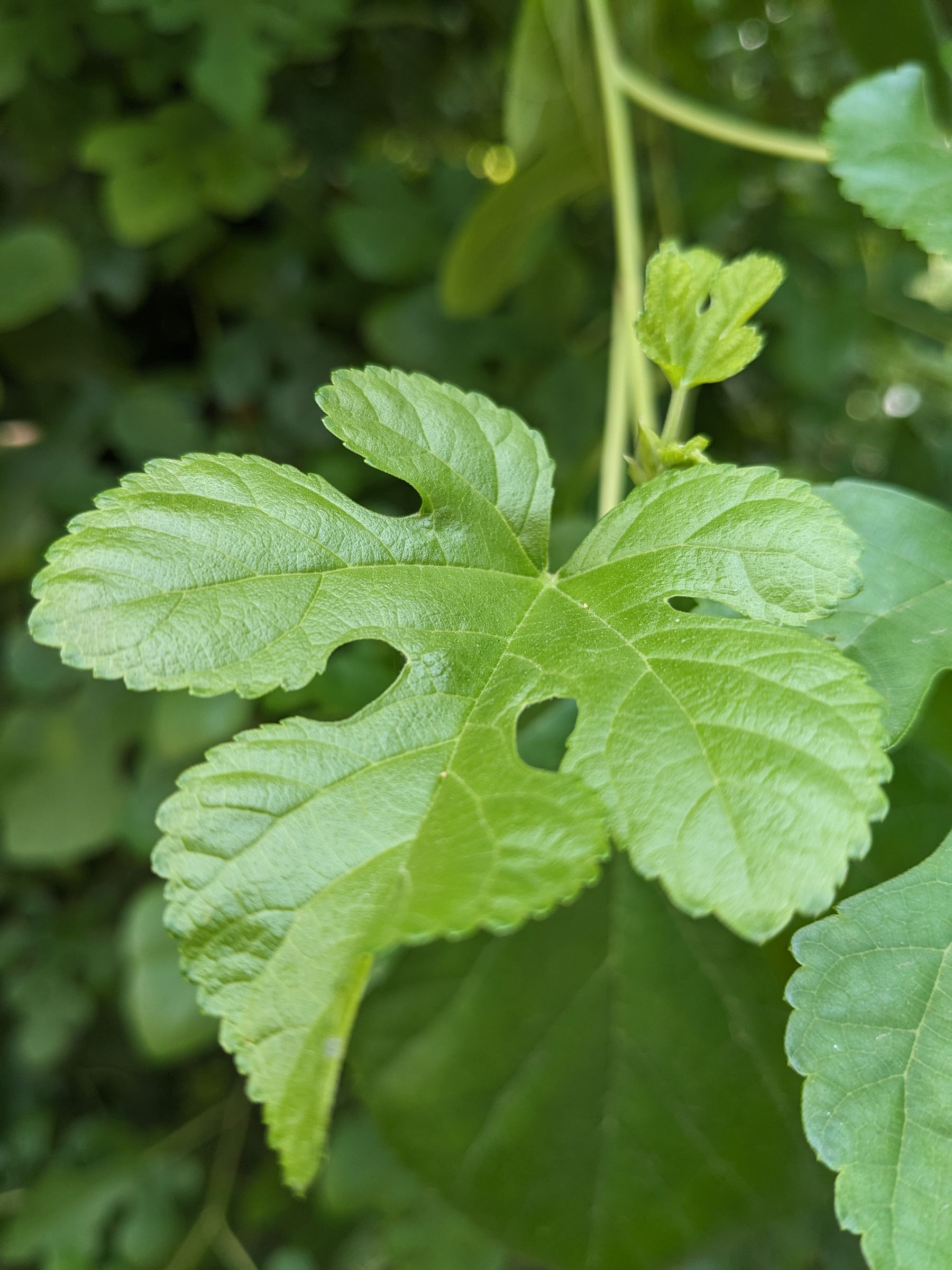
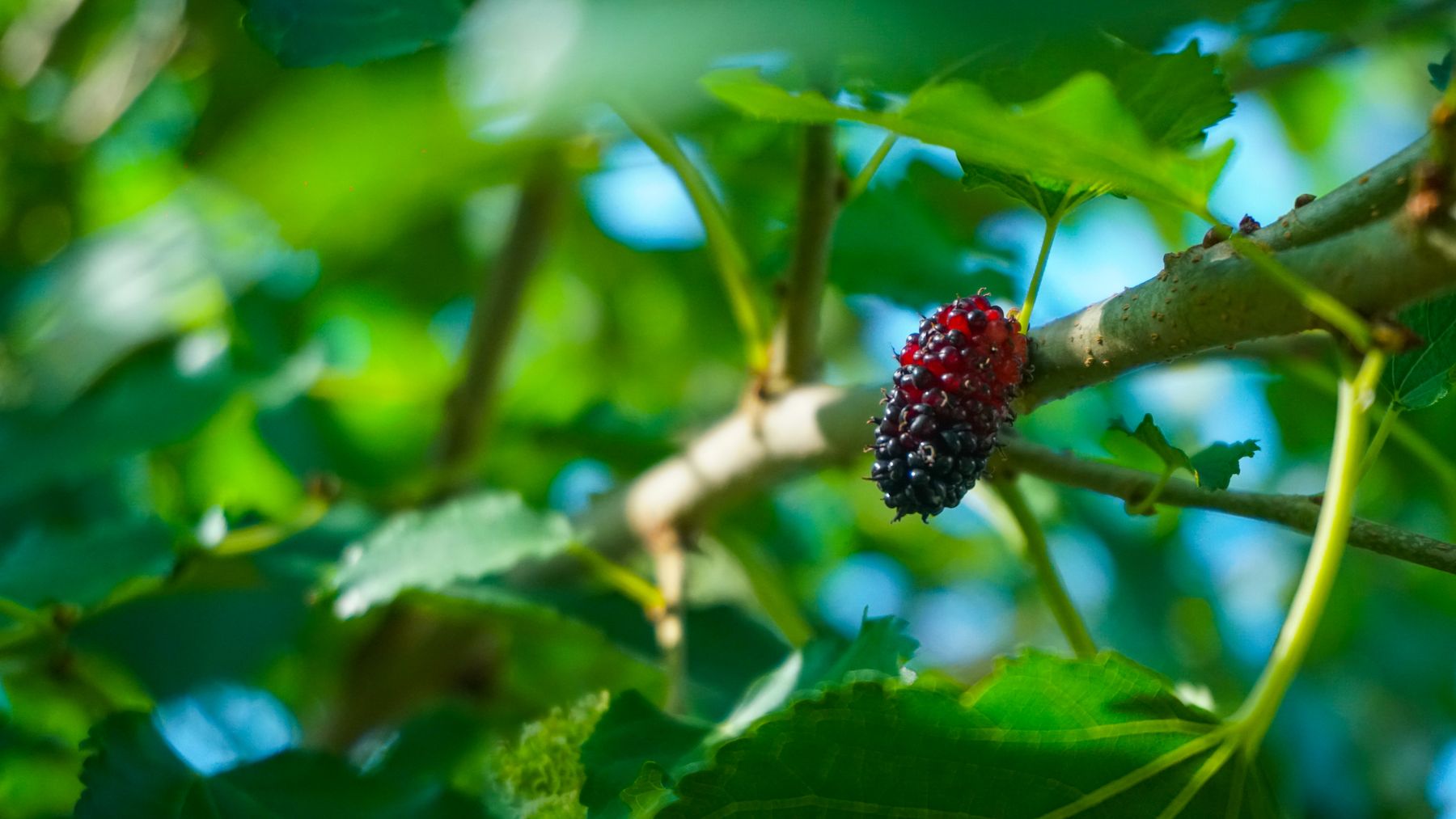
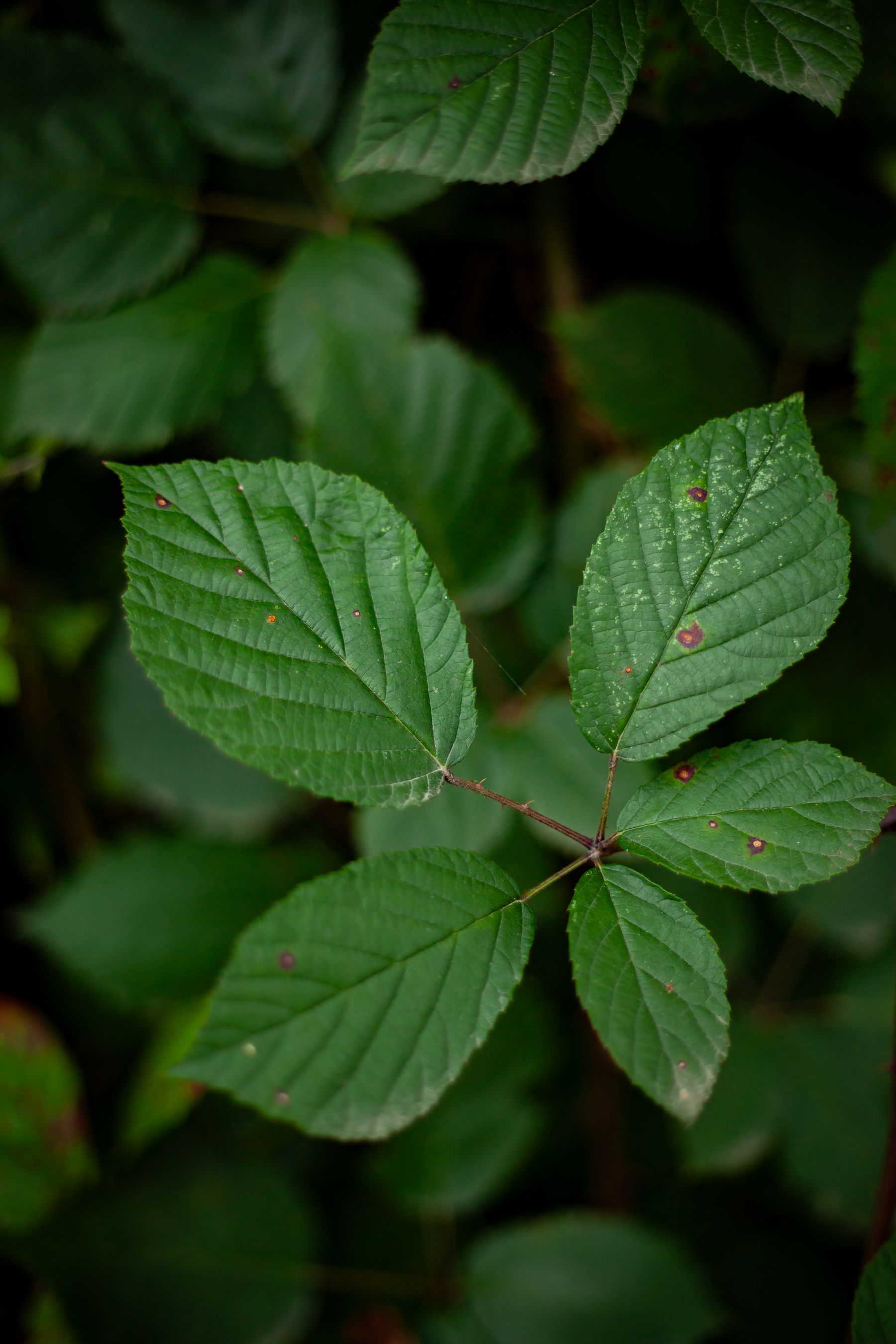
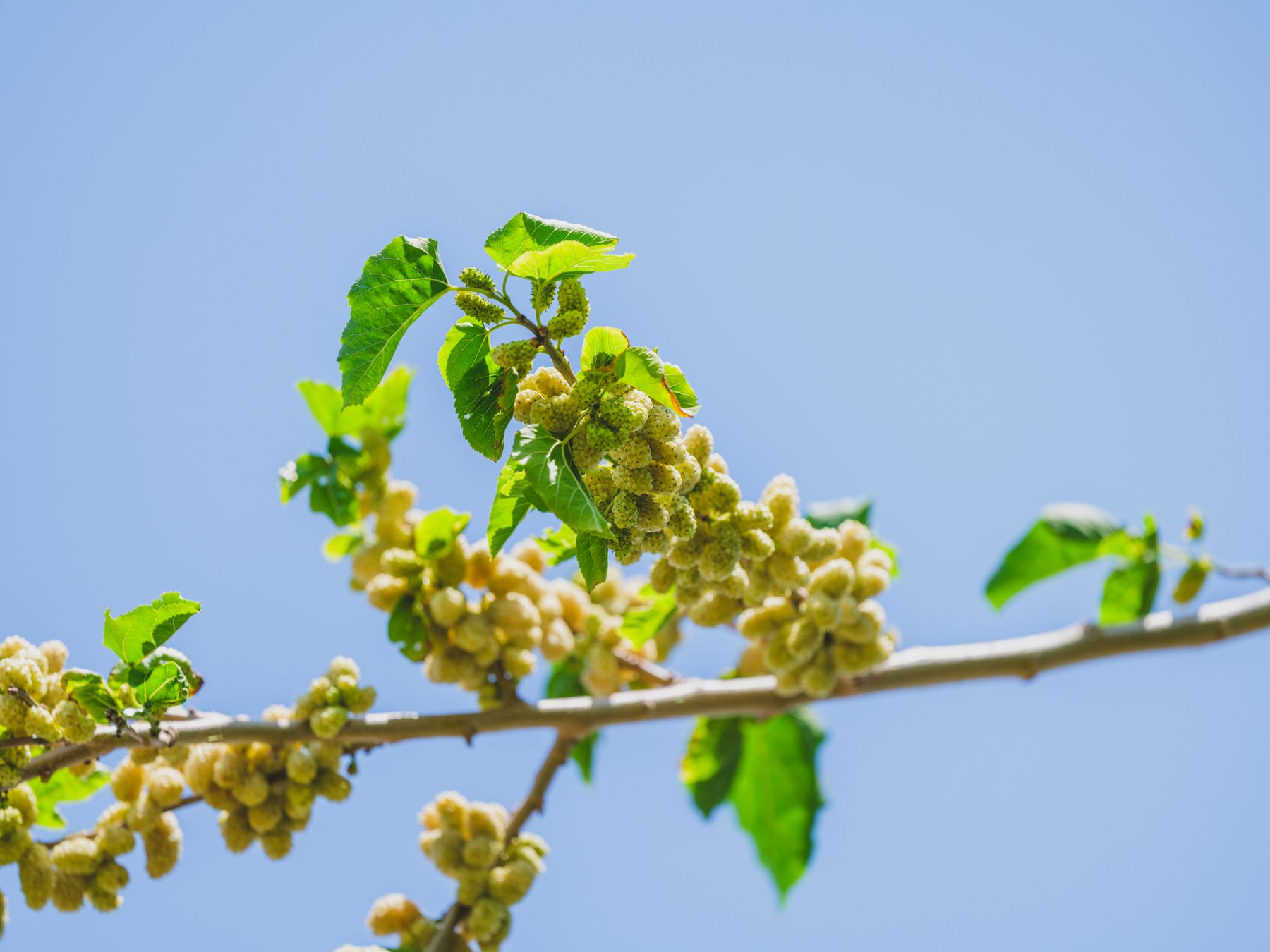
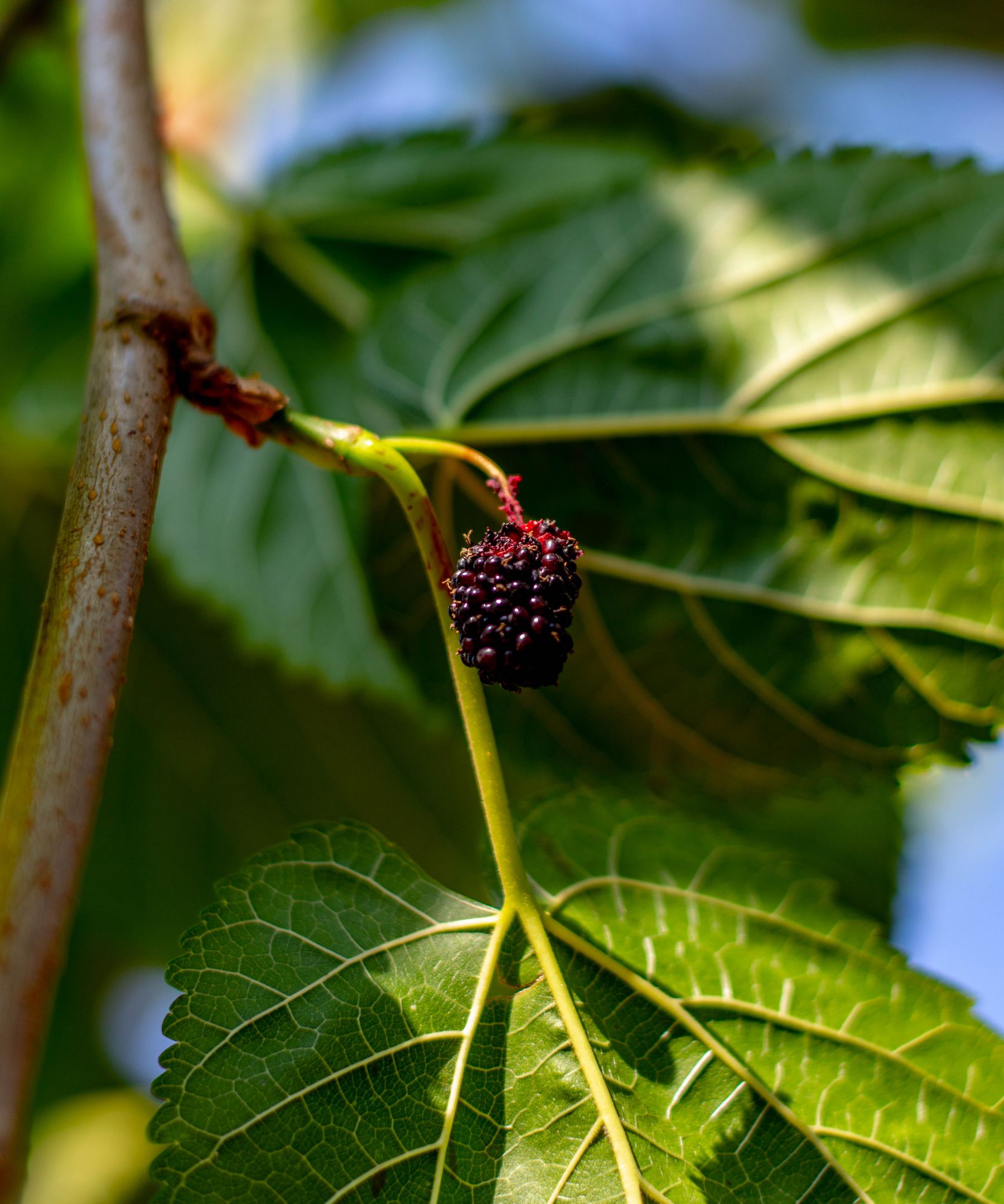
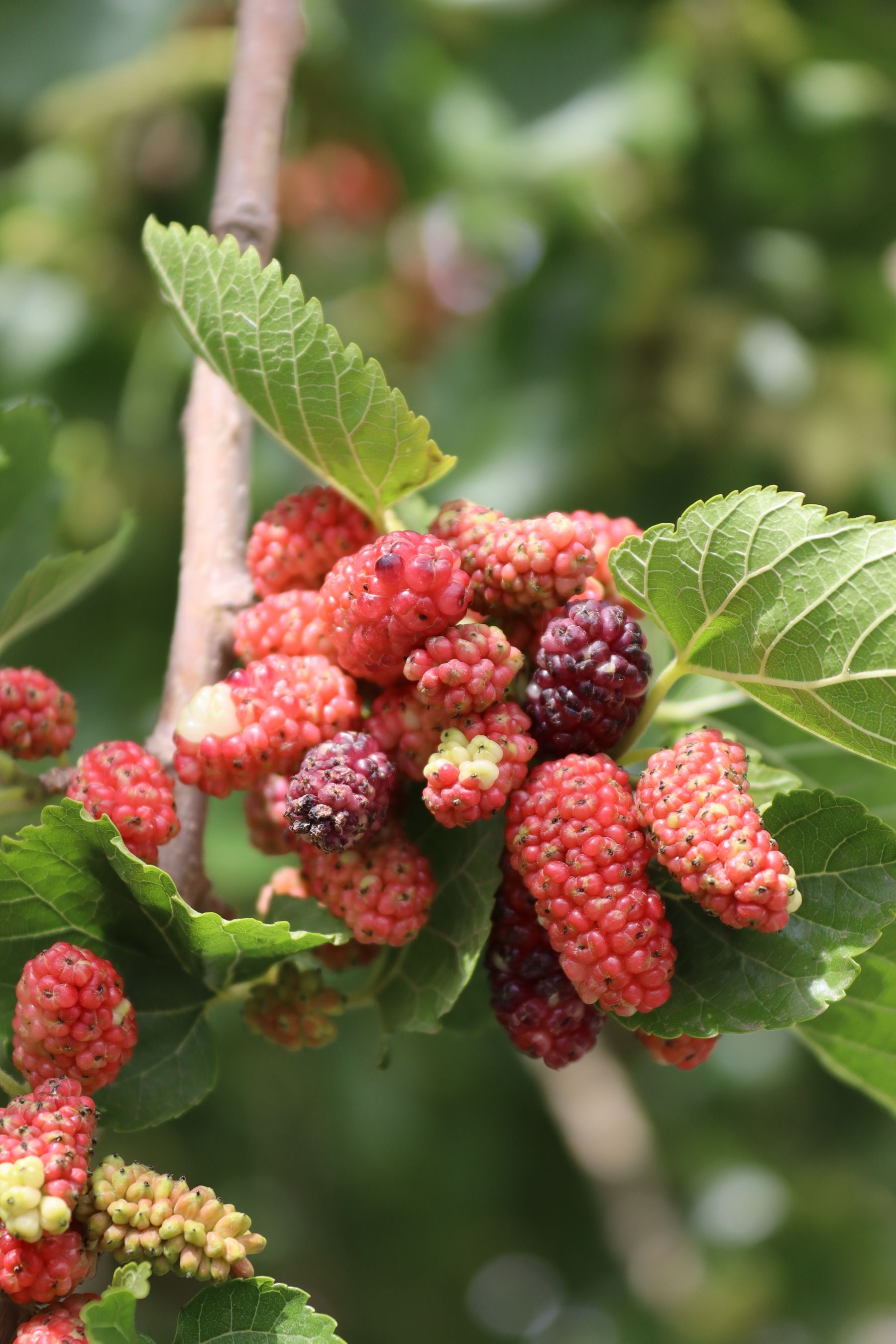
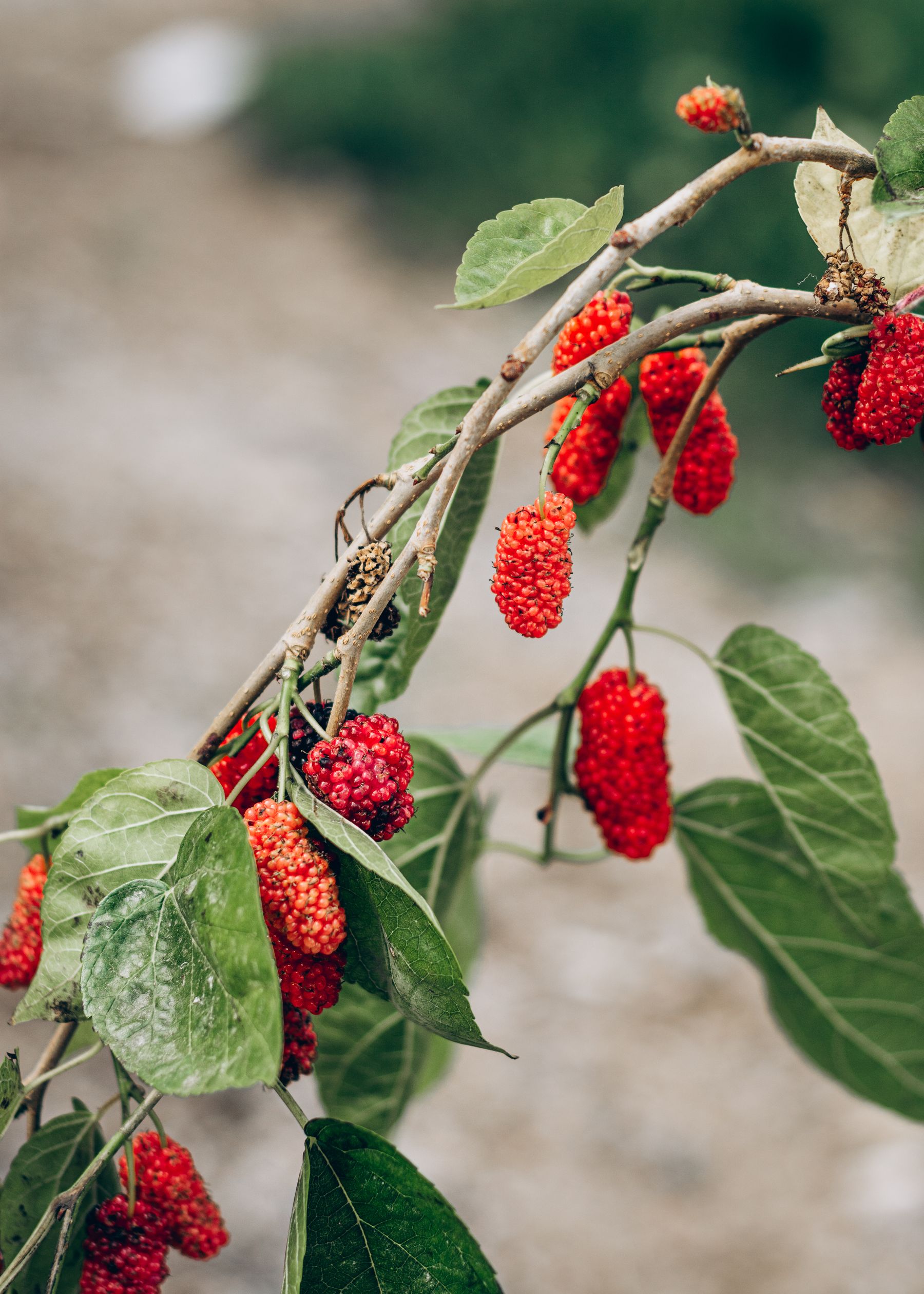
Several mulberry species are mentioned in the source, including white mulberry (Morus alba), black mulberry (Morus nigra), and red mulberry (Morus rubra). Leaf shape and texture can vary between trees, so identification should be done carefully rather than relying on one feature alone. The source describes white mulberry leaves as relatively smooth and glossy, black mulberry leaves as larger, rougher, and darker green, and red mulberry leaves as rough on top with some hairiness underneath.
When to Harvest Young Leaves
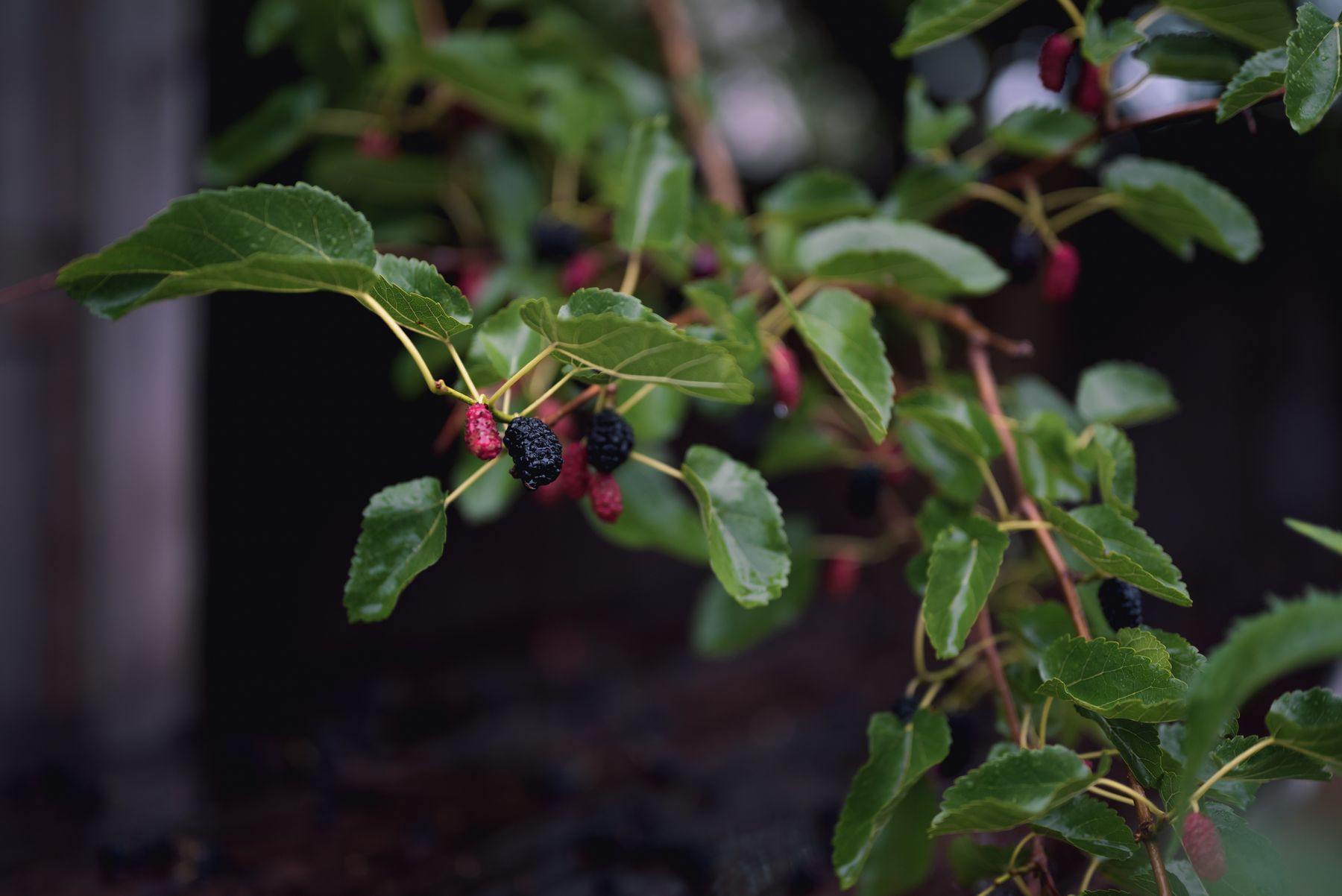
For the preparation methods described in the source, young, bright-green leaves that have fully expanded are preferred. Mid-spring through early summer is identified as a useful harvesting window because older leaves can become tougher and more fibrous. Choose healthy-looking leaves rather than those that are yellowing, moldy, powdery, heavily insect-damaged, or otherwise deteriorated.
Where Not to Forage
Foraging location is just as important as plant identification. The source advises avoiding mulberry trees beside busy roads, industrial areas, parking lots, chemically treated lawns, sprayed park areas, and agricultural edges where pesticides or other contaminants may be present. Leaves collected from polluted or treated locations can carry unwanted residues, so a clean, known growing site is a much better choice.
Clean and Prepare the Leaves First
Before making tea, food, powder, or another preparation, the source recommends cutting healthy leaves with clean kitchen shears, washing them in cool water, rinsing them again under running water, and patting them thoroughly dry with clean towels. This simple preparation step removes visible dust, pollen, and insects and gives you a cleaner starting material for whatever method you choose.
Method 1: Fresh or Dried Mulberry Leaf Tea
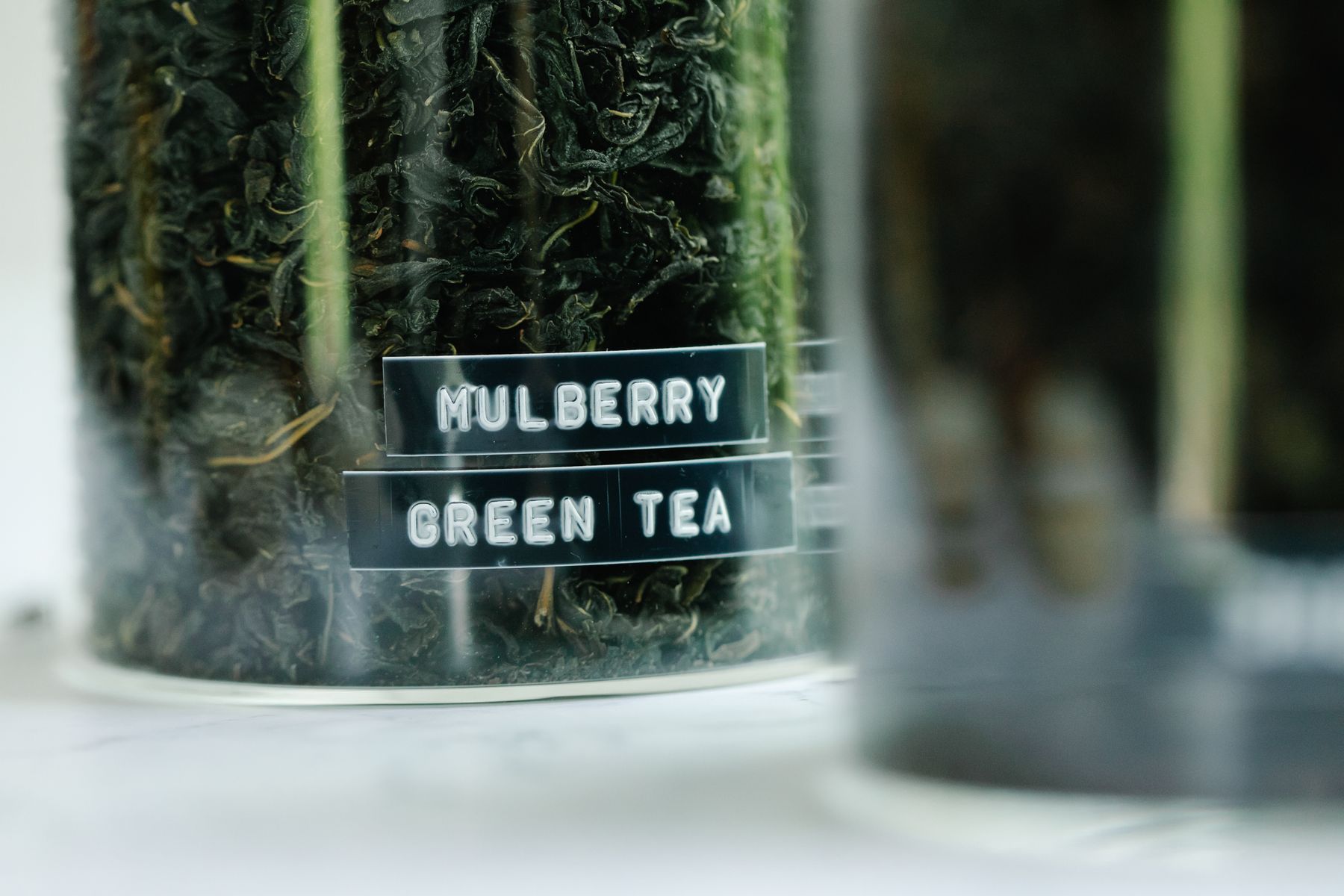
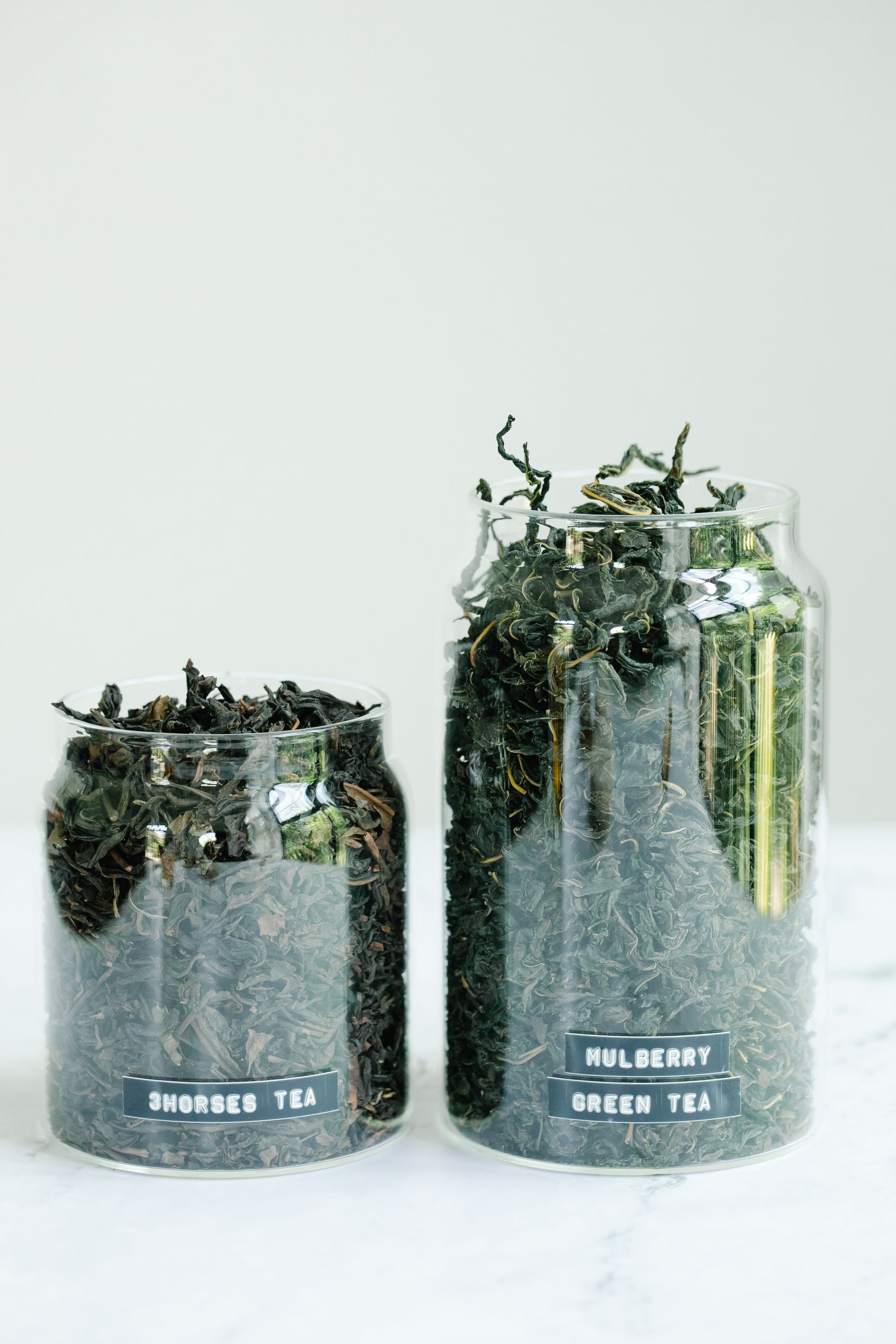
The source’s tea method uses either four to six clean fresh leaves or one to two teaspoons of crushed dried leaves. Put the leaves into a heat-safe mug or teapot, pour about 8 ounces (240 mL) of boiling water over them, cover the vessel, and allow the tea to steep for roughly 8 to 10 minutes before straining. The source suggests drinking it plain and traditionally timing it before a meal. If you are using herbal preparations for a health condition or take medication, discuss regular use with a healthcare professional rather than assuming a traditional recipe is medically appropriate.
Method 2: Make Dried Mulberry Leaf Powder
To make a powder, the source recommends spreading cleaned leaves in a single layer on a towel-lined tray or dehydrator tray and drying them out of direct sunlight for about three to five days, until they crumble easily. Once completely dry, grind them in a clean spice grinder or blender until fine. Store the powder in an airtight glass jar in a cool, dark place. The source suggests using a small amount in foods such as oatmeal, smoothies, or soups.
Method 3: Cook the Leaves as Greens
Mulberry leaves can also be treated as a cooked green in the preparation described by the source. Tender leaves are placed into lightly salted boiling water for about three to four minutes, then transferred to ice water to stop the cooking. After draining and squeezing out excess water, the leaves can be sautéed briefly with olive oil, garlic, and a little salt. Cooking changes the texture and flavor, making this method more appropriate for people interested in using the leaves as a vegetable rather than a tea.
Method 4: A Traditional Mulberry Leaf Jelly
The supplied article also describes a traditional-style jelly made from fresh mulberry leaves. Its method blends two cups of fresh leaves with three cups of cold water, strains the mixture through fine mesh or cheesecloth, then combines the green liquid with agar-agar or unflavored gelatin. The liquid is gently simmered while stirring until the setting ingredient dissolves, then poured into small dishes and refrigerated until firm. Because homemade preparations can vary, use clean equipment and sensible food-safety practices throughout the process.
Method 5: Mulberry Leaf Skin Wash or Compress
For topical use, the source describes brewing a stronger tea from eight to ten fresh leaves and one cup of boiling water, steeping for about 15 minutes, and then allowing the liquid to cool completely. A clean cotton pad or cloth can be soaked in the cooled liquid and gently held against an area of irritated skin for around 10 minutes. This is a traditional topical practice rather than a proven treatment for acne or skin disease. Stop immediately if burning, itching, swelling, or a rash develops, and avoid applying homemade preparations to broken or infected skin.
Drying and Storing Mulberry Leaves
Proper drying is important if you want to keep leaves for later use. The source recommends drying clean leaves away from direct sunlight until they are fully dry and crumbly, then storing whole leaves or powder in airtight glass containers away from heat and light. Before using stored herbs, check for moisture, mold, unusual odor, or other signs of spoilage. If anything looks or smells questionable, discard it rather than trying to salvage the batch.
A Note About the Health Claims
The supplied article attributes several potential health effects to compounds in mulberry leaves, including effects related to blood sugar, cardiovascular health, antioxidants, inflammation, digestion, and skin. Research has indeed investigated mulberry leaves and compounds such as 1-deoxynojirimycin (DNJ) and polyphenols, but laboratory findings and small studies should not be turned into guarantees that homemade tea or leaf preparations will prevent or treat disease. The safest way to present these uses is as traditional or research interests rather than established medical cures.
Who Should Be Especially Careful?
The source specifically warns that people taking prescribed diabetes medicines should pay attention to blood glucose because mulberry leaf preparations may affect blood sugar. More broadly, anyone taking medication, managing a chronic condition, pregnant or breastfeeding, or considering regular concentrated herbal preparations should speak with a qualified healthcare professional first. A plant being traditional or natural does not automatically make every preparation, dose, or frequency appropriate for every person.
A Practical Foraging Checklist
Before bringing mulberry leaves into your kitchen, confirm the plant identification, choose a clean and untreated location, select healthy young leaves, wash them carefully, and decide whether you want to use them fresh, cook them, or dry them for later. This simple checklist helps reduce avoidable problems and keeps the process focused on food and traditional preparation rather than exaggerated health promises.
The Simple Way to Get Started
If you are new to using mulberry leaves, starting with a small, straightforward preparation is sensible. Learn to recognize the tree, harvest only from a clean location, wash the leaves thoroughly, and try a simple cooked or tea preparation rather than making several concentrated products at once. Keeping the process uncomplicated makes it easier to notice how the plant tastes and how your body responds.
Final Thoughts
Mulberry leaves are an overlooked part of a familiar tree, and the supplied source shows just how many traditional ways they can be prepared. Tea, dried powder, cooked greens, a jelly-style preparation, and a topical wash all demonstrate the versatility of the leaf. With careful plant identification, clean harvesting, sensible preparation, and realistic expectations about health claims, mulberry leaves can be explored as an interesting traditional food and herbal ingredient.