
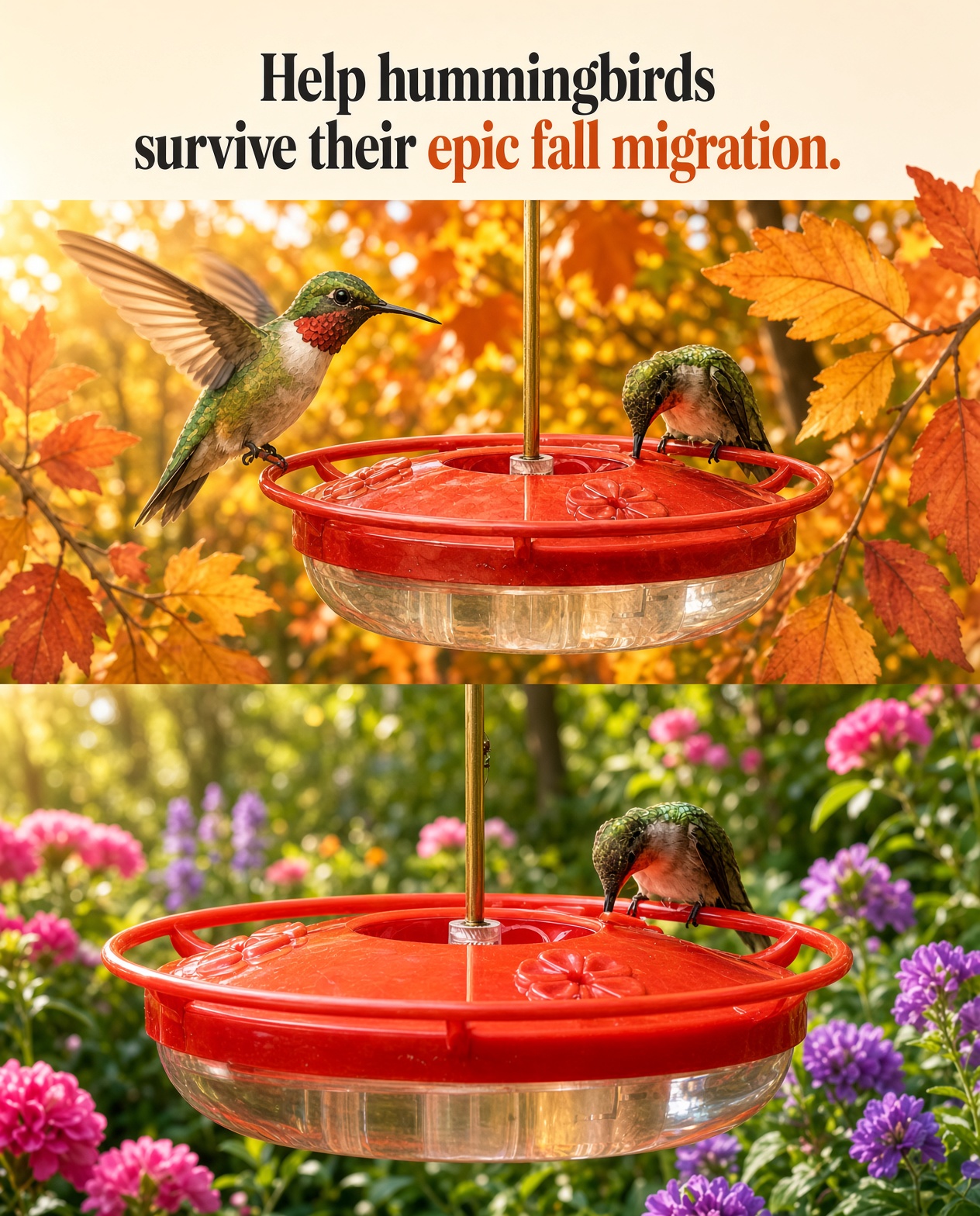
As summer gives way to autumn, hummingbird activity can change almost overnight. Some birds begin their seasonal migration, while others may stay longer depending on species and location. Here is a practical, easy-to-follow guide to keeping your feeders useful through the fall and knowing when it is finally time to put them away.
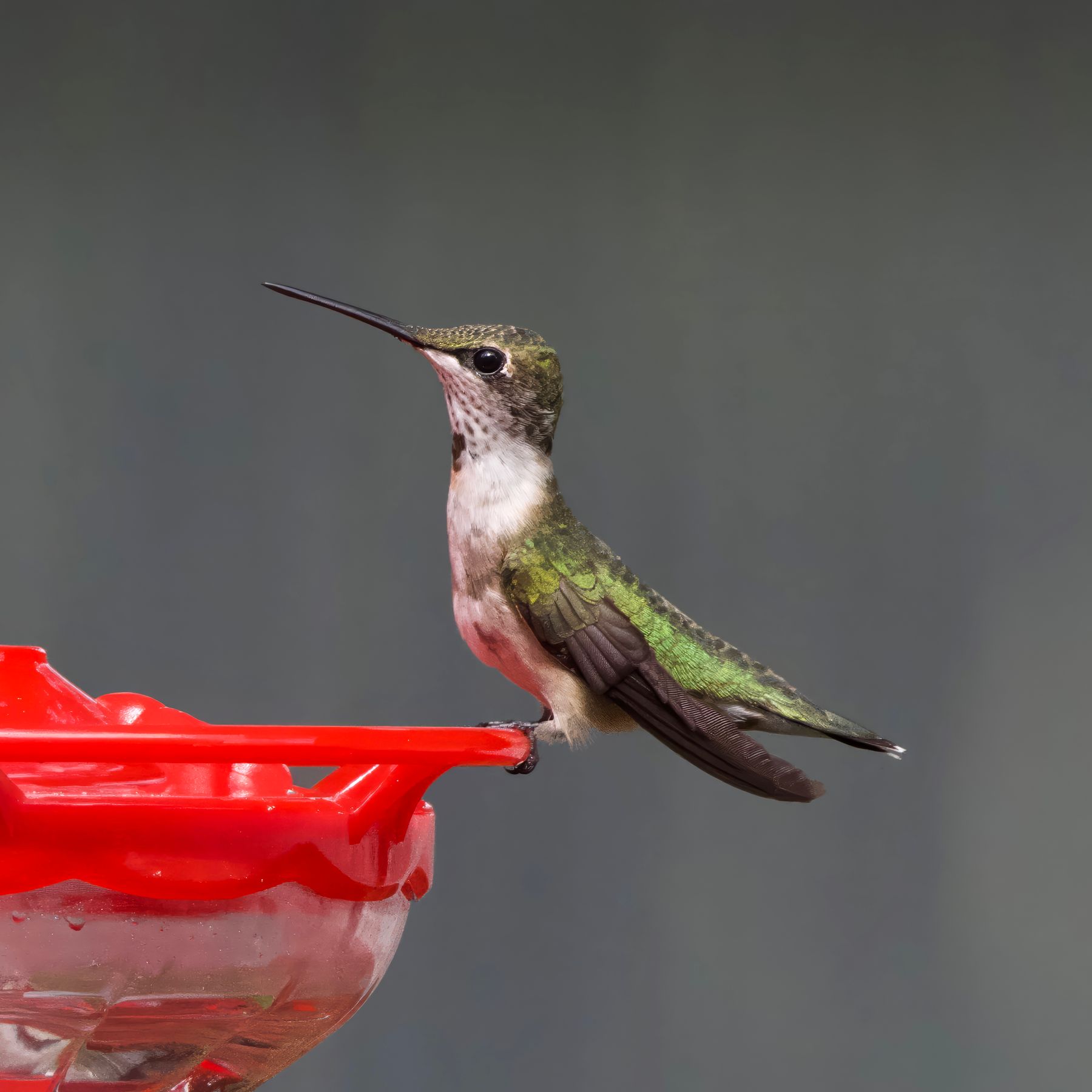
Why Fall Hummingbird Feeding Is Different
As summer fades into autumn, hummingbird activity around a feeder can change quickly. Some birds begin moving toward their wintering grounds, while others may remain in the area much longer depending on species, weather, food availability, and location. A feeder that was constantly busy in July can suddenly seem quiet, but that does not necessarily mean it is time to put it away.
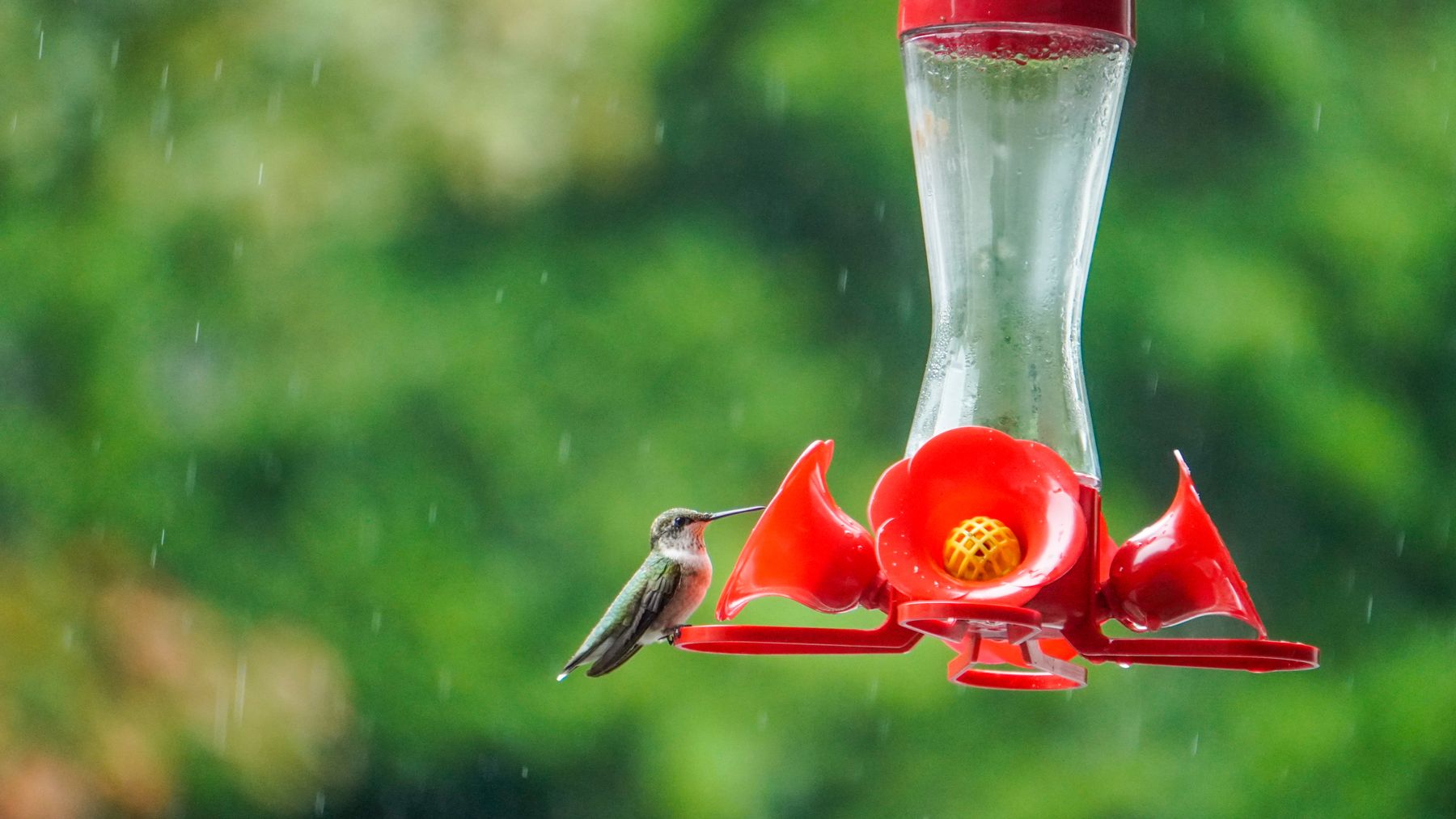
Fall is actually an important period to keep watching your feeders. Migrating hummingbirds may stop in your yard for a quick source of energy, sometimes after the birds that spent the summer there have already disappeared. The key is not to follow a single calendar date. Instead, pay attention to the birds in your own area and adjust your feeding routine as their activity changes.
1. Know Which Hummingbirds Visit Your Yard
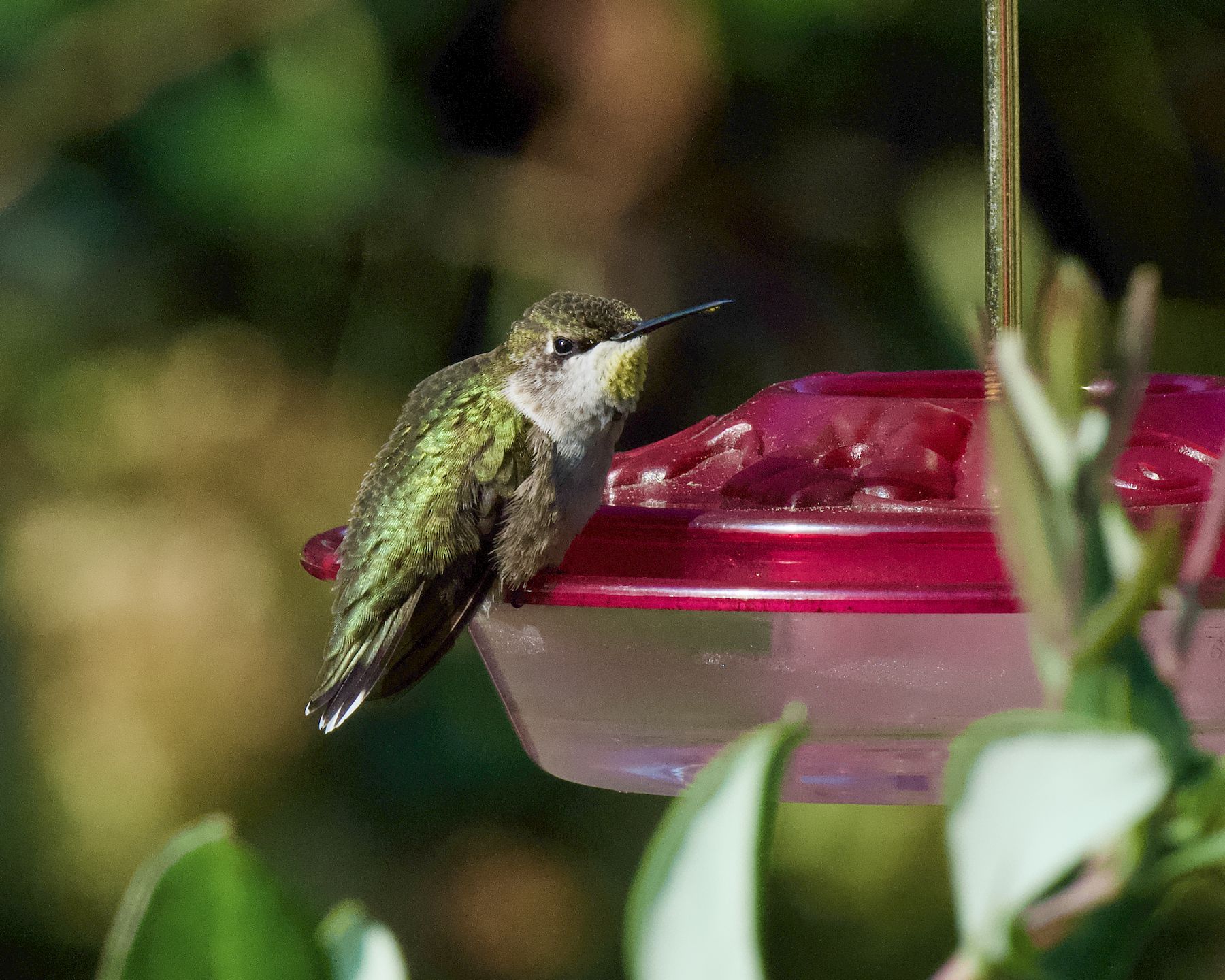
One of the smartest things you can do before deciding when to remove a feeder is learn which hummingbird species are common where you live. Different species have different migration patterns. In the United States, the species you see can vary dramatically between the eastern, western, southwestern, and southern regions, and some species may remain in warmer areas much later than others.
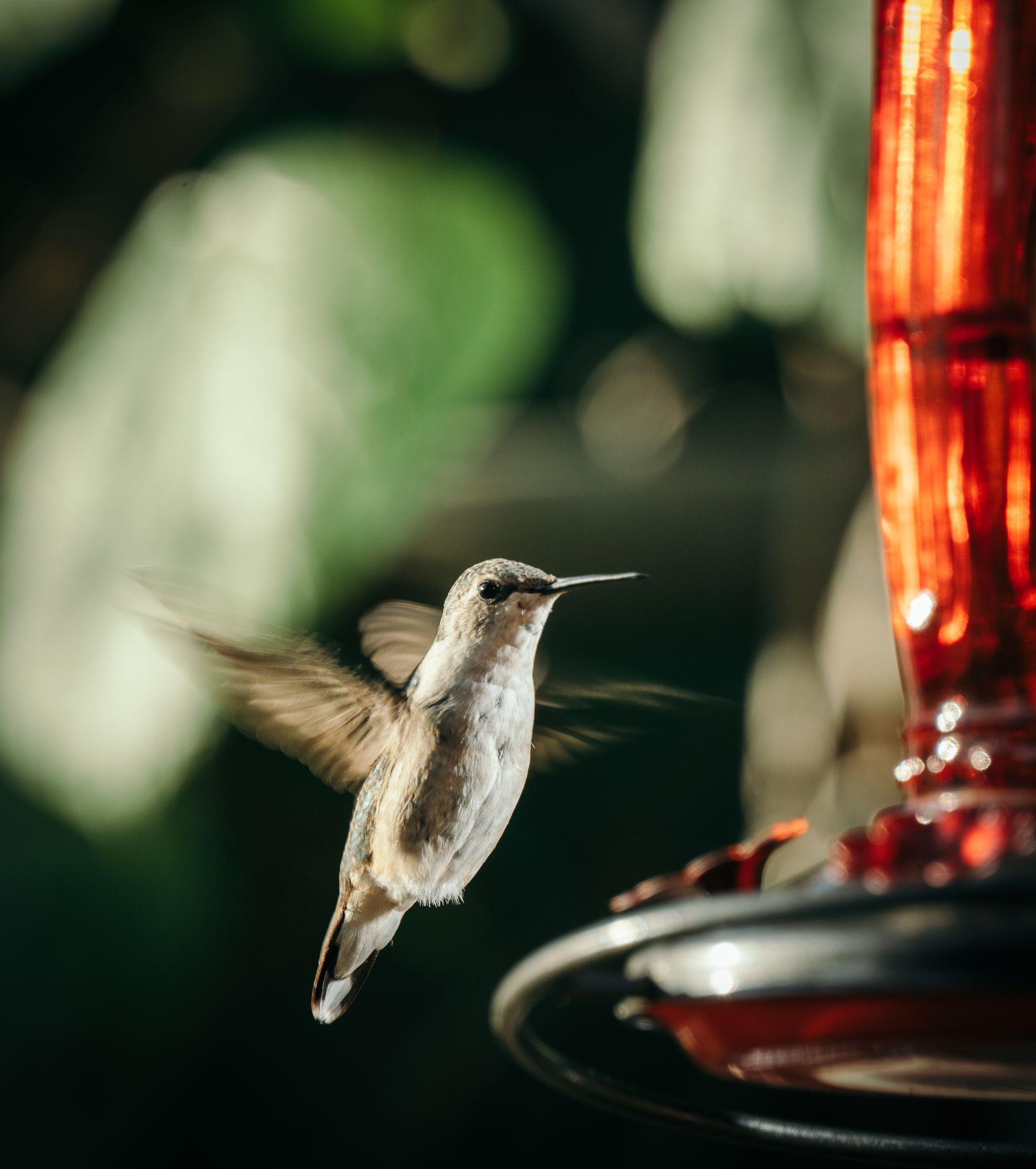
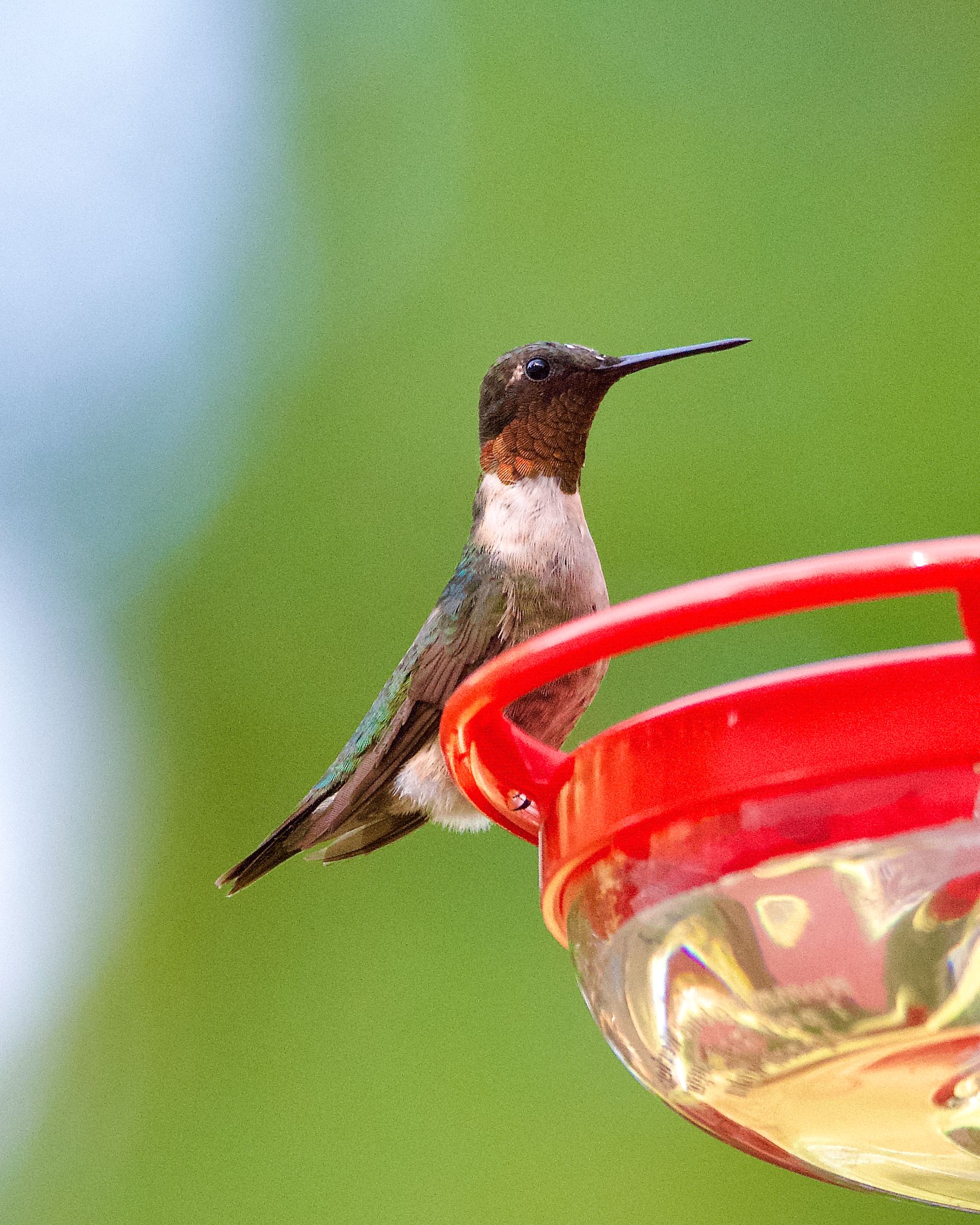
For example, Ruby-throated Hummingbirds are familiar visitors across much of the eastern United States and migrate south for winter. Black-chinned Hummingbirds are common in the Southwest, while Anna’s Hummingbirds can remain along parts of the West Coast year-round. Knowing the birds in your region gives you a much better starting point for understanding when seasonal feeder traffic is likely to change.
2. Put Out Smaller Amounts of Nectar
As the steady summer stream of hummingbirds decreases, a large feeder can become a problem because nectar may sit untouched for too long. Rather than filling the reservoir completely, consider putting out a smaller quantity and checking it more frequently. This reduces waste and makes it easier to replace nectar before it becomes stale.
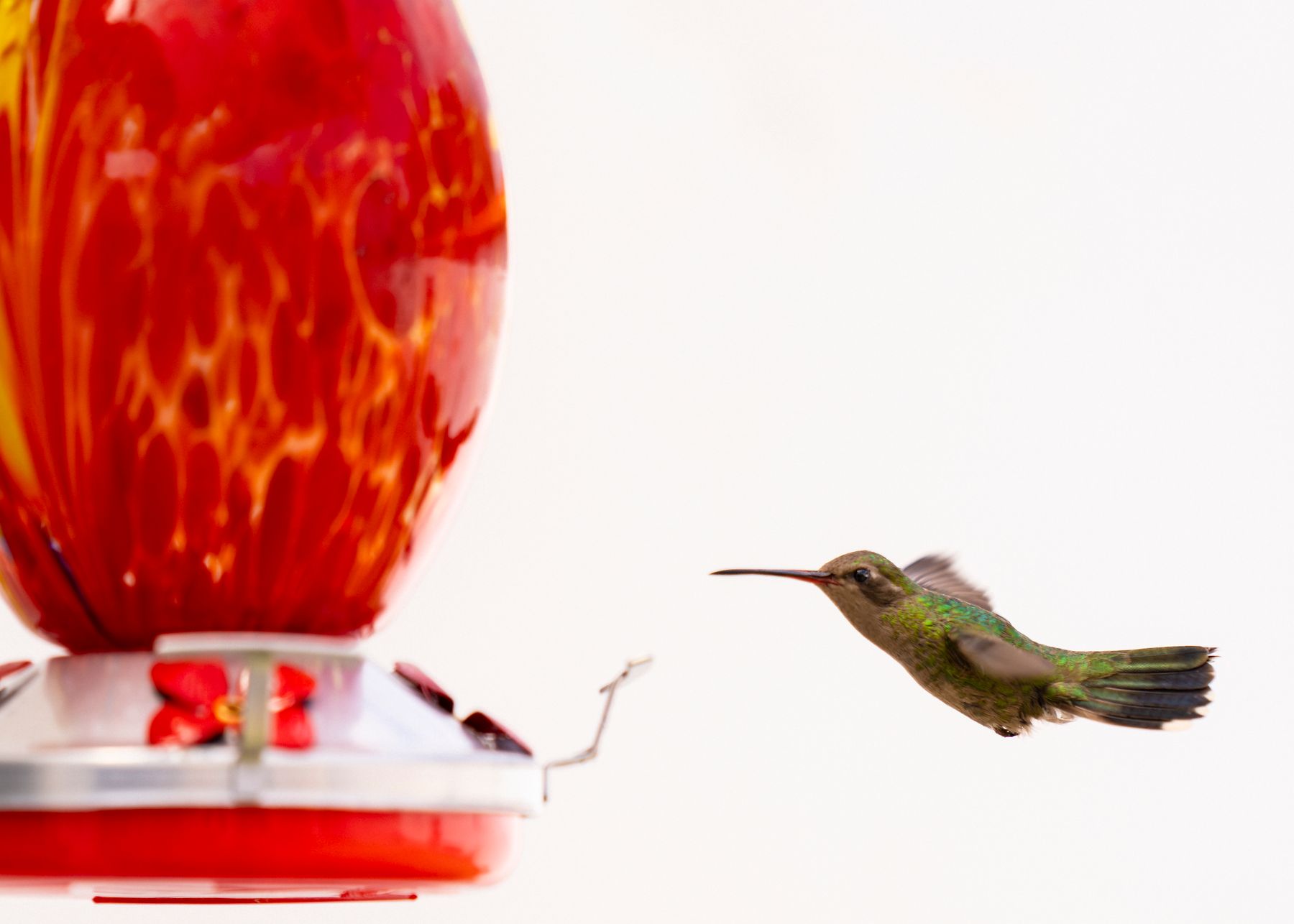
Fall migration can also create surprising bursts of activity. A feeder may be quiet for several days and then suddenly receive repeated visits from hungry travelers. Keeping a smaller amount available means you can respond to those changes without leaving a large supply sitting outside. The goal is simple: fresh nectar should be available when birds need it, without keeping more out than your visitors can reasonably use.
3. Keep Cleaning the Feeder
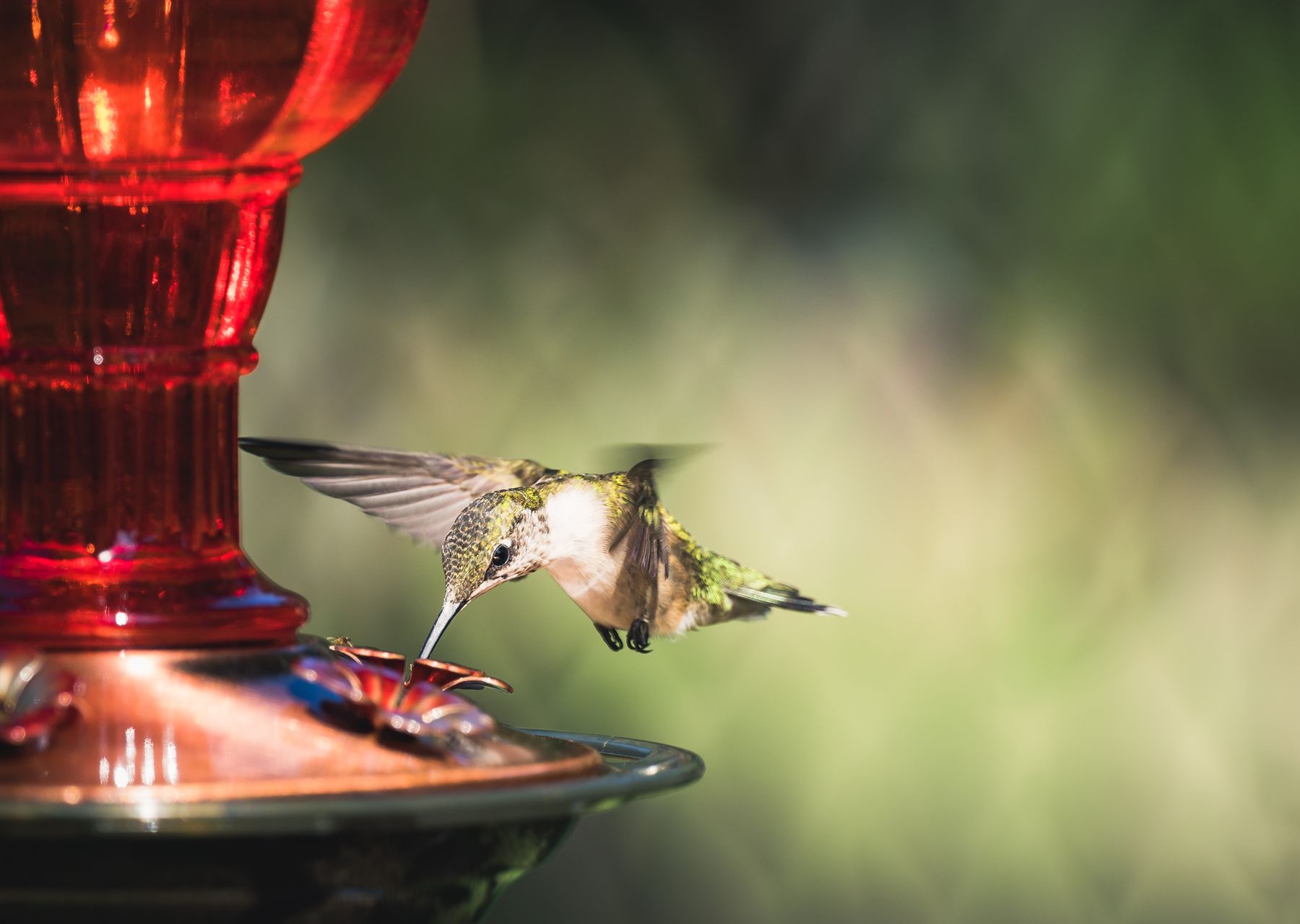
Cooler nights do not eliminate the need for good feeder hygiene. Nectar feeders should continue to be cleaned regularly throughout the season, especially when daytime temperatures remain warm. Old nectar can deteriorate, and dirty feeding ports can become a poor environment for birds.
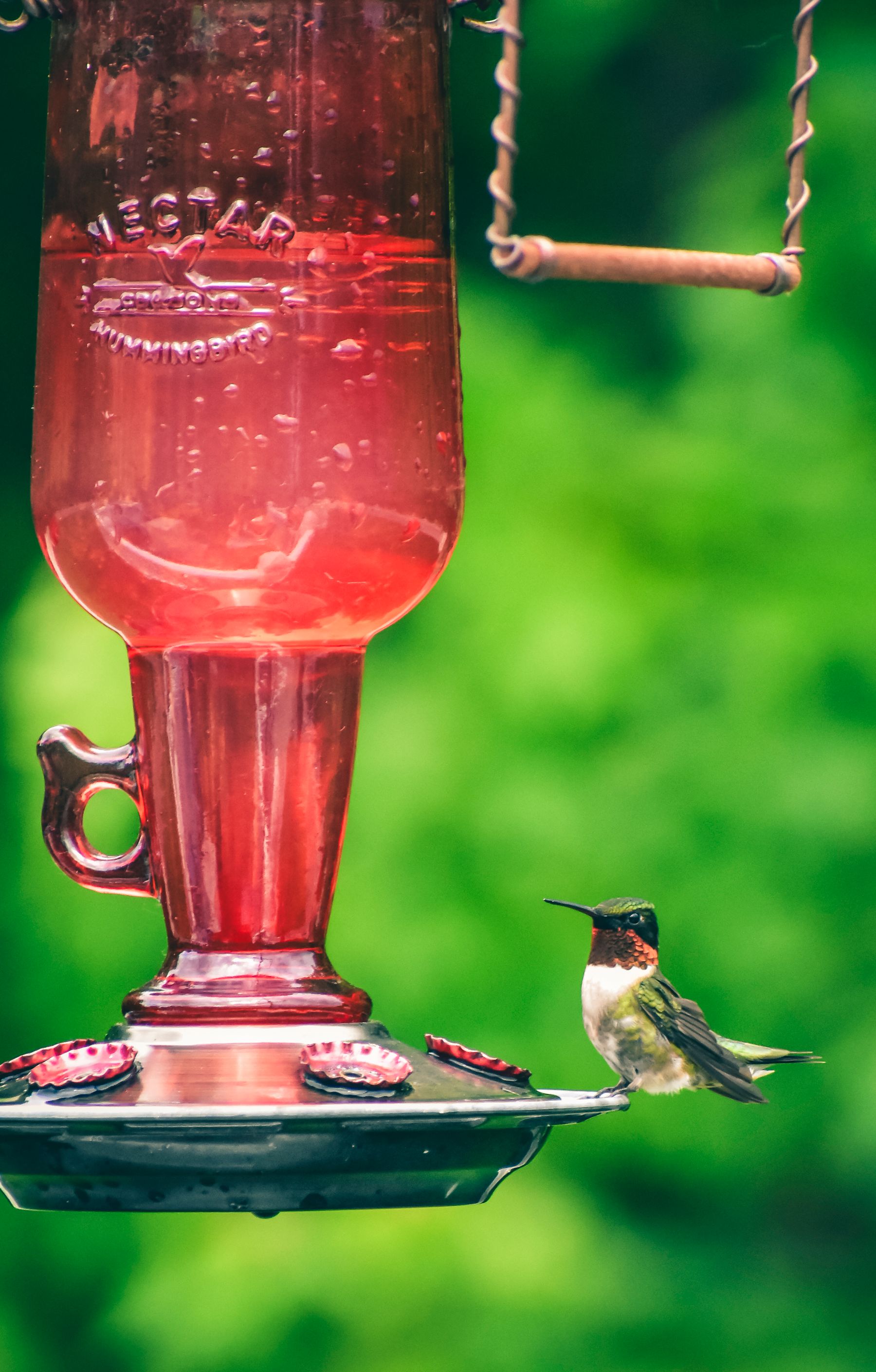
A practical fall routine is to inspect the feeder frequently, empty old nectar, wash the feeder thoroughly, rinse it well, and refill it with fresh nectar. If your feeder becomes visibly dirty before the next scheduled cleaning, clean it sooner. A clean feeder is one of the simplest ways to make a backyard feeding station more useful to passing hummingbirds.
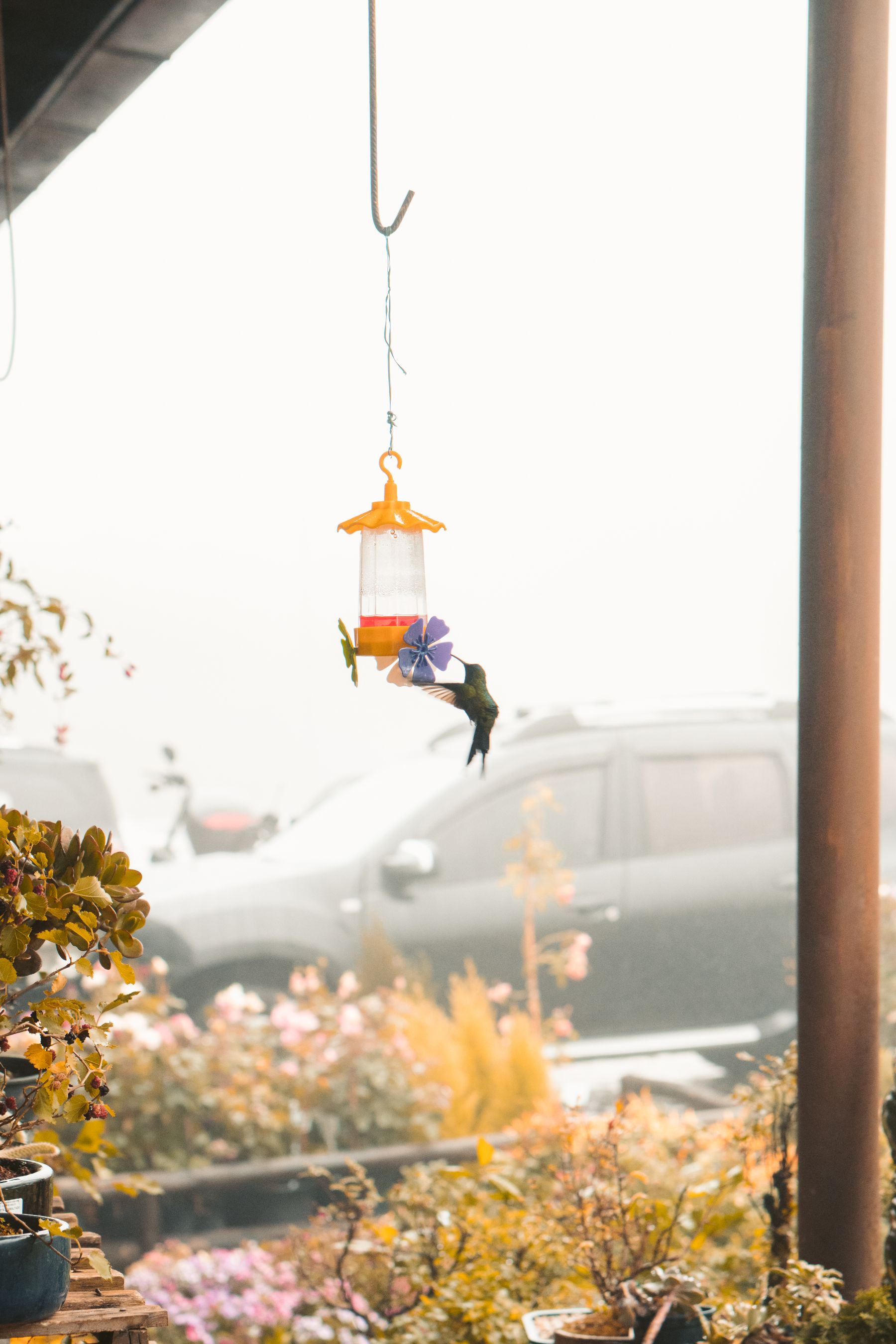
4. Be Ready for Sudden Cold Weather
Autumn weather can change rapidly. A warm afternoon can be followed by a freezing night, and those temperature swings matter when a hummingbird feeder is left outdoors. Freezing conditions can damage some feeders, while prolonged exposure to weather can make older plastic components brittle or cause cracks to develop.
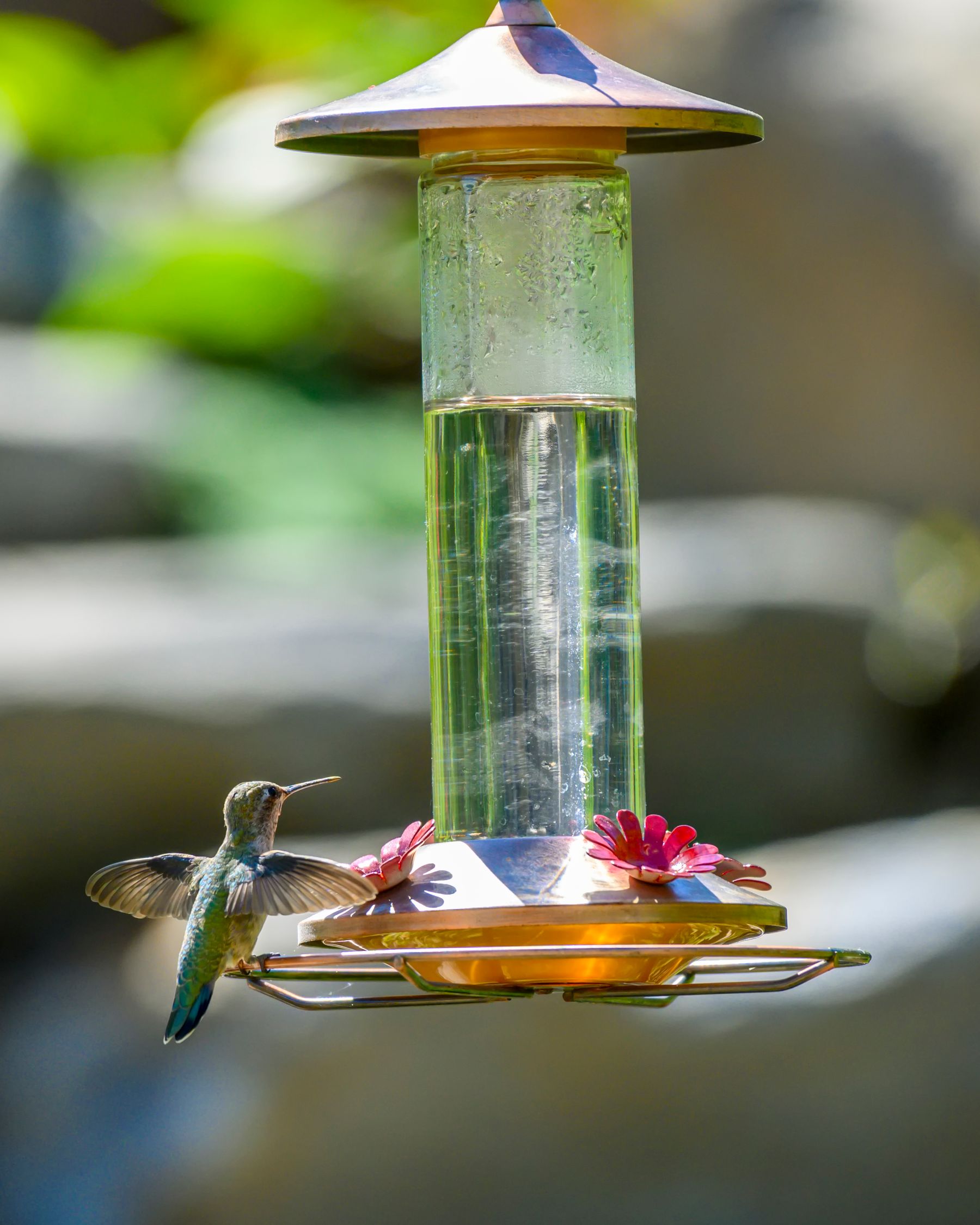
If you plan to continue feeding during cold spells, inspect your feeder before the temperature drops. Pay attention to cracks, worn parts, and the condition of the reservoir. In areas where a hard frost is expected, the source recommends bringing a feeder indoors overnight and putting it back out in the morning. This can help protect the feeder while still making nectar available during daylight hours.
5. Watch the Feeder Instead of Following a Fixed Date
There is no universal day when every hummingbird feeder should come down. The right timing depends on where you live, which species are present, and the local weather. In northern parts of the United States, many seasonal hummingbirds begin moving south in late summer or early fall, while warmer southern regions can see birds later into the season.
Instead of relying only on a calendar, watch your feeder. When visits become noticeably less frequent, keep track of the pattern. If you go several days without seeing a hummingbird, continue monitoring rather than immediately removing the feeder. The original source suggests waiting about three weeks after visits have stopped before taking the feeder down, while recognizing that local conditions can vary.
Why Migrating Hummingbirds May Still Need Your Feeder
A quiet feeder does not mean every hummingbird has left the region. Migration happens over time, and individual birds may pass through your area after the familiar summer visitors are gone. A late traveler can benefit from finding a clean feeder that is still stocked with fresh nectar.
This is one reason some bird watchers choose to leave at least one feeder available longer into the fall. If migrating hummingbirds are passing through, a dependable food source can be especially useful when natural flowers are becoming less abundant. Keeping the feeder clean and monitoring how much nectar is being consumed lets you support birds without unnecessarily wasting nectar.
When Should You Finally Take the Feeder Down?
The best time to take down a hummingbird feeder is generally after you are confident that seasonal activity has ended in your area. Rather than removing it simply because summer is over, watch for a sustained absence of hummingbirds and consider your local migration pattern. In northern regions, seasonal feeders may often come down around early October, while warmer regions can have activity later into the fall.
Even then, individual birds can occasionally appear later than expected. If you know your area regularly receives late migrants, continuing to monitor a feeder for a while longer can make sense. The important point is that leaving a feeder available does not prevent hummingbirds from migrating. Their seasonal movement is driven by biological and environmental cues, not by whether a backyard feeder is present.
A Simple Fall Hummingbird Routine
A good autumn routine does not have to be complicated. Check the feeder often, keep the nectar fresh, clean the feeder regularly, watch for weather changes, and pay attention to how frequently hummingbirds visit. These simple habits give you useful information about what is happening in your yard.
You can also keep notes from year to year. Record when hummingbird activity increases, when visits begin to decline, and approximately when the final birds disappear. Over time, your own observations can become a helpful guide for deciding when to reduce nectar amounts and when to put seasonal feeders away.
The Bottom Line
Fall is not simply the time to pack away your hummingbird feeder. It is a transition period when resident birds, migrants, changing weather, and declining natural food sources can all affect what you see in the yard. A feeder that receives fewer visitors may still be valuable to a bird passing through on migration.
The simplest approach is to stay observant. Keep feeders clean, offer modest amounts of fresh nectar, protect feeders during severe cold, and let the activity in your yard guide your timing. When hummingbirds have clearly stopped visiting for an extended period, clean and dry the feeder before storing it for the next season. A little attention during fall can make your backyard a more dependable stop for these remarkable birds.