

Many people notice subtle changes like ongoing fatigue, mild swelling in the ankles, or a general sense of discomfort as creatinine levels rise with age. These quiet signs can make everyday decisions, such as picking a fruit for a snack, feel uncertain and frustrating, leaving you wondering if your choices are helping or adding extra work for your kidneys. The good news is that small, informed adjustments in your fruit selections can play a supportive role in kidney health. Keep reading to uncover three fruits that are often lower in potassium and rich in beneficial compounds, three that many find helpful to moderate, and straightforward ways to include them in your routine—along with insights backed by nutritional research that might bring some welcome relief.

What Elevated Creatinine Means for Your Daily Life
Creatinine is a natural waste product from muscle breakdown that healthy kidneys filter out easily. When blood levels stay higher than usual, it can signal that the kidneys are facing more challenges in removing waste.
Studies from organizations like the National Kidney Foundation indicate that millions of adults deal with chronic kidney issues, often linked to factors like age, blood pressure, or diabetes. Common experiences include lingering tiredness or fluid retention, as the body works harder to maintain balance.
Diet matters here because certain nutrients, like potassium, can build up if kidney function is reduced. Research shows that focusing on lower-potassium options while including antioxidant-rich foods may help ease some of that burden. You’re taking a positive step by exploring this—let’s look at practical fruit choices next.
Why Potassium Intake Deserves Attention with Higher Creatinine
When kidneys filter less efficiently, excess potassium from food can accumulate, potentially affecting heart rhythm and adding stress. Many health experts, including those at the National Kidney Foundation, suggest moderating higher-potassium foods for better balance.
Here are three popular fruits that are higher in potassium and often recommended in smaller portions:
- Bananas – Convenient and nutritious, but a medium banana has around 422 mg of potassium. Studies on kidney health note that moderation helps prevent buildup.
- Oranges – Juicy and vitamin-packed, yet one medium orange provides about 237-255 mg of potassium. Juice versions concentrate it even more, so portions matter.
- Avocados – Creamy and full of healthy fats, but one whole avocado contains nearly 975 mg of potassium—often leading to advice for very small amounts or occasional use.
| Fruit | Approximate Potassium per Serving | Key Note for Consideration |
|---|---|---|
| Banana | 422 mg (medium) | Higher; many opt for half portions |
| Orange | 237-255 mg (one medium) | Moderate-high; limit juice |
| Avocado | 975 mg (whole) | Very high; small slices if included |
But that’s only part of the picture—there are plenty of delicious alternatives that are generally lower in potassium.
Three Fruits Many Find Supportive for Kidney Health
These options tend to be lower in potassium while offering fiber, vitamins, and antioxidants that research links to reduced inflammation and overall wellness support.
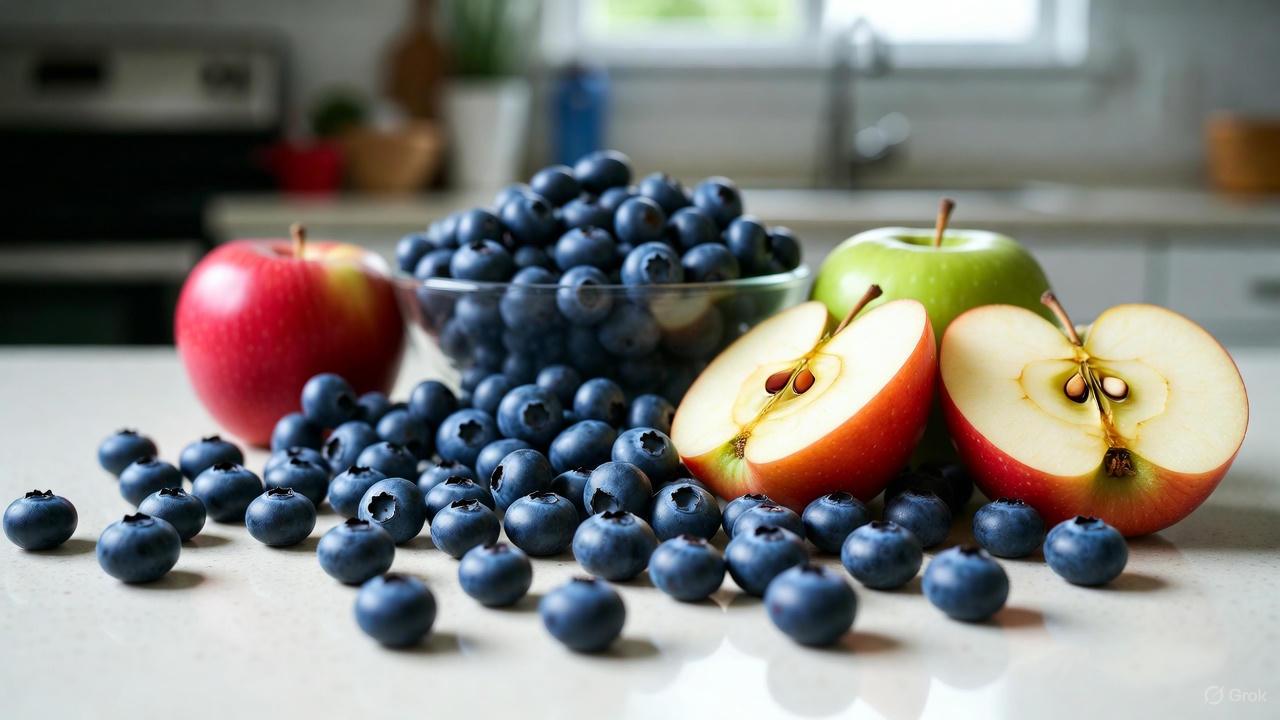
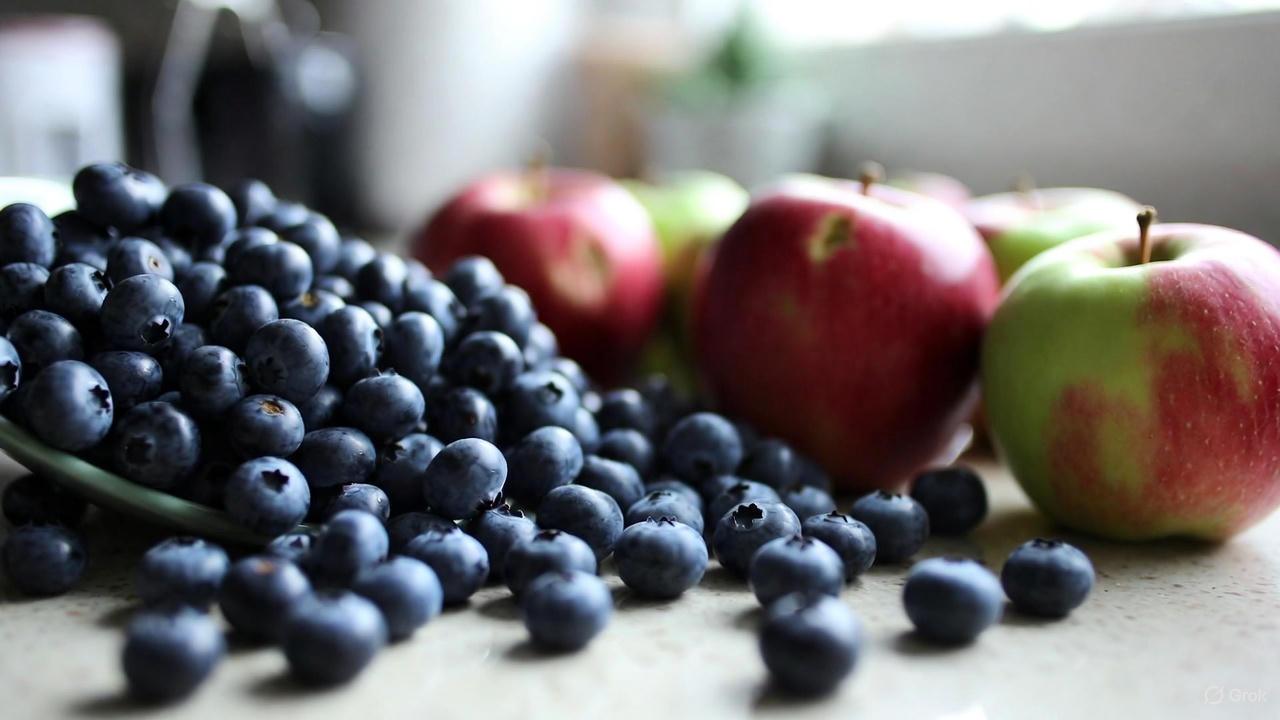
- Blueberries – Bursting with anthocyanins, powerful antioxidants that studies suggest help combat oxidative stress. A half-cup has only about 56 mg of potassium.
- Apples – Crisp and fiber-rich with pectin, which nutritional research associates with better digestion and metabolic balance. One medium apple has around 158 mg of potassium.
- Cranberries – Known for compounds that support urinary tract health, with low potassium levels (about 67 mg per cup of fresh). Evidence points to their role in preventing bacterial issues that can affect kidneys.
| Aspect | Supportive Fruits (Blueberries, Apples, Cranberries) | Fruits Often Moderated (Bananas, Oranges, Avocados) |
|---|---|---|
| Potassium Level | Generally low | Higher |
| Antioxidant/Fiber Content | High | Variable |
| Potential Support | May help reduce inflammation and aid digestion | Nutritious but monitor portions |
Here’s the interesting part: many people report feeling more energized with these swaps.
- Snack on a handful of fresh or frozen blueberries.
- Enjoy a whole apple with skin for maximum fiber.
- Add fresh cranberries to salads or infuse in water (unsweetened).
Research from sources like Healthline and the National Kidney Foundation highlights how these fruits fit well into kidney-supportive eating patterns.
Starting small makes a big difference. Here’s an easy guide:
- Always chat with your doctor or a registered dietitian first—they’ll personalize based on your blood tests.
- Aim for 2-3 servings of lower-potassium fruits daily, like one apple and a small bowl of blueberries.
- Drink plenty of plain water to support natural flushing.
- Pair fruits with lean proteins or veggies for balanced meals.
- Rotate options to keep things varied and enjoyable—try apple slices with a sprinkle of cinnamon.
Many find these tweaks lead to steadier energy and less puffiness over time.
Potential Everyday Benefits from These Adjustments
Nutritional studies suggest that emphasizing antioxidant-rich, lower-potassium fruits as part of a balanced approach may contribute to:
- More consistent energy throughout the day
- Reduced noticeable swelling
- Support for lowering inflammation
- Better digestion from added fiber
- Overall help in maintaining kidney wellness markers
The truth is, these changes work best alongside medical guidance.


1. Can changing fruit choices alone bring down creatinine levels?
No single food does that on its own, but selecting supportive options as part of your overall diet can contribute to better kidney health. Always follow your healthcare team’s plan.
2. How many servings of fruit are typically okay with elevated creatinine?
Often 2-3 servings per day of lower-potassium varieties, but this varies—your doctor or dietitian can provide tailored recommendations based on your labs.
3. Do I need to cut out all higher-potassium fruits completely?
Not always; moderation or occasional small portions may fit for some, depending on your specific situation and blood levels.
This information is for educational purposes only and is not a substitute for professional medical advice. Please consult your healthcare provider for personalized recommendations on diet and managing creatinine levels.