
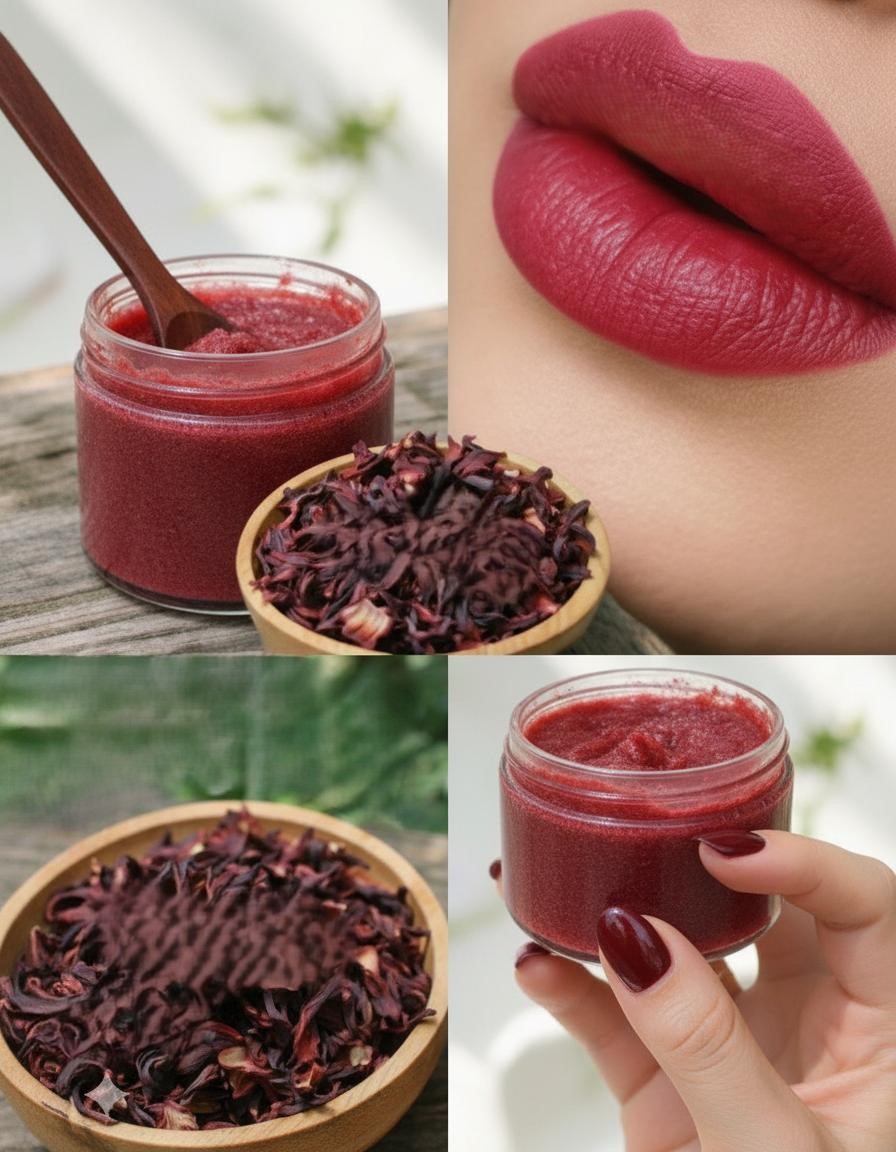
Natural beauty lovers are constantly searching for safe, plant-based alternatives to chemical cosmetics. One ingredient that has stood the test of time is hibiscus flower. Known for its deep red color and nourishing properties, hibiscus is widely used in herbal teas — but it’s also a powerful ingredient in natural lip balm recipes.
In this article, you’ll learn how to make DIY hibiscus lip balm at home, why hibiscus is so beneficial for lips, and how to store and customize your balm for best results. This chemical-free lip balm recipe is beginner-friendly and perfect for personal use or small businesses.
Why Hibiscus Is Perfect for Natural Lip Balm
Hibiscus flowers are rich in anthocyanins, the plant pigments responsible for their deep red hue. These compounds are highly valued in traditional beauty care because they:
-
Provide natural pink-to-red tint for lips
-
Are rich in antioxidants
-
Help maintain soft, youthful-looking lips
-
Support lip hydration without synthetic dyes
In many cultures, hibiscus is called the “botox plant” due to its reputation for enhancing skin appearance naturally. When used in lip balms, hibiscus gives a subtle tint while nourishing dry or chapped lips.
Benefits of Homemade Hibiscus Lip Balm
Making your own hibiscus lip balm offers several advantages:
1. 100% Natural Ingredients
You control what goes into your product — no parabens, artificial colors, or petroleum.
2. Gentle on Sensitive Lips
Perfect for people with allergies or sensitive skin.
3. Cost-Effective
A single batch can produce multiple lip balm containers at a fraction of store prices.
4. Customizable
You can adjust color intensity, scent, and texture.
5. Eco-Friendly
Reduce plastic waste and support sustainable beauty.
Ingredients for Hibiscus Lip Balm Recipe
Main Ingredients:
-
2 tablespoons dried hibiscus petals (organic preferred)
-
¼ cup carrier oil (coconut oil, almond oil, or olive oil)
-
1 tablespoon beeswax pellets (or candelilla wax for vegan option)
-
1 teaspoon shea butter or cocoa butter
Optional Ingredients:
-
5–8 drops essential oil (rose, lavender, or vanilla)
-
1 vitamin E capsule (for added nourishment and shelf life)
Tools You’ll Need
-
Heat-safe glass bowl or double boiler
-
Fine strainer or cheesecloth
-
Spoon or spatula
-
Small lip balm containers or tins
Step 1: Infusing the Hibiscus Oil
The secret to a naturally tinted hibiscus lip balm lies in the oil infusion.
-
Add dried hibiscus petals to a heat-safe bowl.
-
Pour your chosen carrier oil over the petals until fully covered.
-
Place the bowl over a double boiler on low heat.
-
Let the mixture gently heat for 30–45 minutes, stirring occasionally.
-
The oil will slowly turn a deep red color.
-
Strain out the petals using a fine strainer or cheesecloth.
💡 Tip: The longer the infusion, the deeper the lip balm color.
Step 2: Melting the Lip Balm Base
-
In a clean bowl, combine the infused hibiscus oil, beeswax pellets, and butter.
-
Heat gently using a double boiler until fully melted.
-
Stir continuously to ensure a smooth mixture.
-
Remove from heat once everything is fully blended.
Step 3: Adding Final Touches
-
Let the mixture cool slightly (but not harden).
-
Add vitamin E and essential oils if using.
-
Stir well to evenly distribute ingredients.
Step 4: Pouring and Setting the Lip Balm
-
Carefully pour the liquid balm into lip balm containers or tins.
-
Allow it to cool and harden at room temperature for 1–2 hours.
-
Once set, close the lids and label your containers.
How to Use Hibiscus Lip Balm
-
Apply directly to lips as needed
-
Use daily for hydration and natural color
-
Can be layered for deeper tint
With regular use, lips appear softer, smoother, and naturally rosy.
Storage and Shelf Life
-
Store in a cool, dry place
-
Shelf life: 6–12 months
-
Adding vitamin E helps extend freshness
Avoid exposing the balm to excessive heat to prevent melting.
Customization Ideas
For Deeper Color:
-
Use more hibiscus petals
-
Infuse oil for a longer time
For Vegan Lip Balm:
-
Replace beeswax with candelilla wax
For Glossy Finish:
-
Add extra coconut oil
For Matte Finish:
-
Increase beeswax slightly
Frequently Asked Questions (FAQ)
Is hibiscus lip balm safe for daily use?
Yes, when made with food-grade, natural ingredients, it is safe for everyday use.
Does hibiscus stain lips?
No, it provides a temporary natural tint that fades gradually.
Can I sell homemade hibiscus lip balm?
Yes, many small businesses sell natural lip balms. Always follow local cosmetic regulations.
Can fresh hibiscus flowers be used?
Dried petals are recommended for better color control and longer shelf life.
Why Choose Natural Lip Balm Over Commercial Products?
Commercial lip balms often contain synthetic dyes, artificial fragrances, and petroleum-based ingredients. Natural hibiscus lip balm offers a clean beauty alternative that supports both health and sustainability.
By choosing homemade lip balm, you’re embracing traditional beauty wisdom combined with modern eco-conscious living.
Final Thoughts
Hibiscus lip balm is more than a beauty product — it’s a celebration of nature’s ability to nourish and enhance naturally. With its rich color, antioxidant properties, and gentle care, this DIY hibiscus lip balm recipe is perfect for anyone looking to switch to natural skincare solutions.
Whether you’re making it for yourself or planning to start a small natural beauty brand, this recipe is a timeless addition to your routine.