
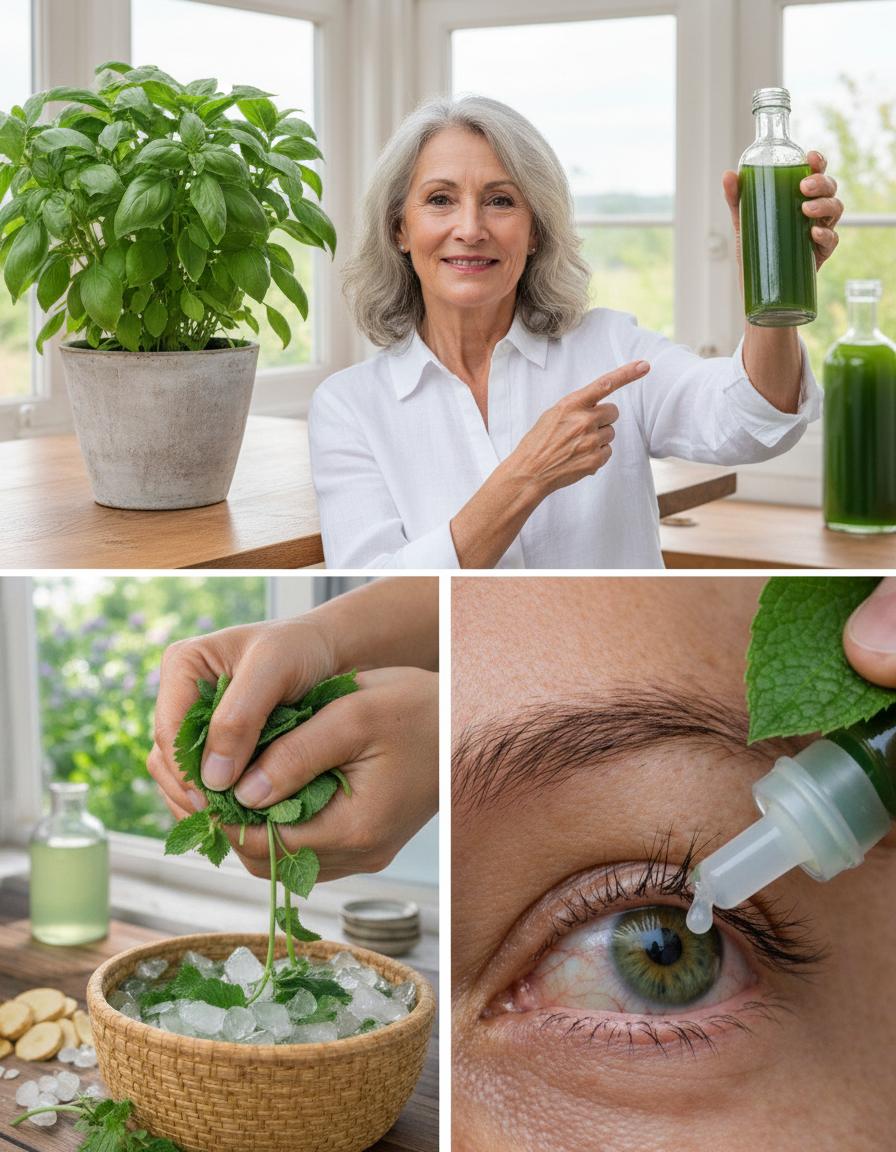
any people experience eye strain from long hours in front of screens, reading, or simply aging. This can lead to tired eyes, dryness, and a general feeling of discomfort that affects daily life. It’s frustrating when simple tasks become harder because your eyes feel irritated or fatigued. But there’s a simple, natural ingredient that many have turned to for refreshing relief—and you’ll discover an easy way to use it by the end of this guide.

Why Mint Leaves Are Gaining Attention for Eye Health
Mint leaves, particularly from peppermint or spearmint plants, have been used in traditional practices for centuries. Their cooling sensation and nutrient profile make them popular for soothing various discomforts.
Research shows that mint is rich in antioxidants and vitamin A, which play roles in supporting overall eye function. For instance, vitamin A is essential for maintaining healthy vision in low light and protecting eye tissues. Studies, including those referenced in reviews on medicinal plants, highlight how antioxidants help combat oxidative stress—a factor linked to age-related eye changes.
But that’s not all. Mint’s natural compounds, like menthol, provide a refreshing feel that can ease tiredness around the eyes. Many people report feeling more comfortable after incorporating mint into their routines.
Here’s the interesting part: while mint won’t replace professional eye care, adding it to your diet or using it topically (safely) might contribute to feeling more refreshed.

Key Nutrients in Mint Leaves That Support Eye Comfort
Mint leaves pack a surprising amount of beneficial compounds. Here’s a quick breakdown:
- Vitamin A: Crucial for eye health, as noted by sources like Healthline. It helps with night vision and keeps eye surfaces healthy.
- Antioxidants (like flavonoids): These help protect cells from daily wear and tear, according to general studies on plant-based antioxidants.
- Anti-inflammatory properties: May reduce puffiness or irritation around the eyes.
To make it easier, here’s a simple comparison of mint with other common herbs:
| Herb | Vitamin A Content (per 100g) | Antioxidant Level | Cooling Effect |
|---|---|---|---|
| Mint Leaves | High | Strong | Yes |
| Basil | Moderate | High | Mild |
| Parsley | High | Moderate | No |
Incorporating nutrient-rich foods like mint can be a supportive habit.

Everyday Ways to Use Mint Leaves for Eye Refreshment
One of the best parts? Mint is easy to add to your life. Here are some practical tips:
- Add to meals: Toss fresh mint leaves into salads, smoothies, or teas for a daily boost.
- Mint-infused water: Steep a handful of leaves in water overnight for a refreshing drink.
- Cool compress: Crush clean mint leaves, wrap in a cloth, and place over closed eyes for a soothing break (avoid direct contact with eyes).
Consistency matters—many notice better comfort with regular use.
But here’s something exciting: a simple at-home preparation that combines mint’s natural properties for targeted relief.
Step-by-Step Guide: Making a Refreshing Mint Rinse for Tired Eyes
This gentle rinse uses mint’s cooling effect to soothe the area around your eyes. Always use clean, fresh leaves and avoid putting anything directly into your eyes.
- Gather a handful of fresh, organic mint leaves (about 20-30).
- Wash them thoroughly under running water.
- Boil 2 cups of water and let it cool slightly.
- Steep the leaves in the warm water for 10-15 minutes.
- Strain and let the liquid cool completely.
- Use a clean cloth soaked in the rinse to gently dab around your eyes (not inside).
Do this 1-2 times a day for a refreshing feel. Many find it helps with daily eye fatigue.
For variety, try these other ideas:
- Mint tea with honey for internal support.
- Frozen mint cubes in water for quick cooling.
- Blended mint smoothie with carrots (rich in vitamin A).

Additional Habits to Support Healthy Vision
While mint can be a great addition, combine it with these evidence-based tips:
- Eat a rainbow of fruits and veggies for antioxidants.
- Take screen breaks using the 20-20-20 rule.
- Stay hydrated—dry eyes feel worse when you’re dehydrated.
- Wear UV-protective sunglasses outdoors.
Research from sources like the American Academy of Ophthalmology emphasizes lifestyle factors for long-term eye comfort.
This is the part that’s helped many feel more energized about their eye care—a natural, approachable routine.
Conclusion
Incorporating mint leaves into your daily habits offers a simple way to support eye comfort and overall wellness. From nutrient boosts to refreshing rituals, it’s an easy step toward feeling better. Start small, stay consistent, and enjoy the natural freshness.
Frequently Asked Questions
Can mint leaves improve night vision?
Mint provides vitamin A, which supports low-light vision, but results vary by individual diet and health.
How often should I use mint for eye relief?
1-2 times daily is common for compresses or rinses, but listen to your body.
Is mint safe for everyone?
Generally yes for topical or dietary use, but patch-test if sensitive.
Disclaimer: This information is for educational purposes only and not medical advice. Natural remedies do not diagnose, treat, or cure any eye conditions. Always consult an ophthalmologist for vision concerns or before trying new remedies, especially if you have existing eye issues. Professional care is essential for maintaining eye health.