
You know the feeling. Your eyes burn slightly after another long day staring at screens, the text looks blurrier than it used to, and blinking no longer brings instant relief. You might be wondering if this is just “normal aging,” or if something gentle could help support your eyes before discomfort becomes routine. Stay with me, because what comes next may surprise you.

Every day, millions of adults over 45 quietly accept eye fatigue as unavoidable. Dryness, tension, and that heavy feeling behind the eyes slowly creep in, often without warning. But here’s the question few people ask: what if small, everyday habits could make your eyes feel lighter and more refreshed again?
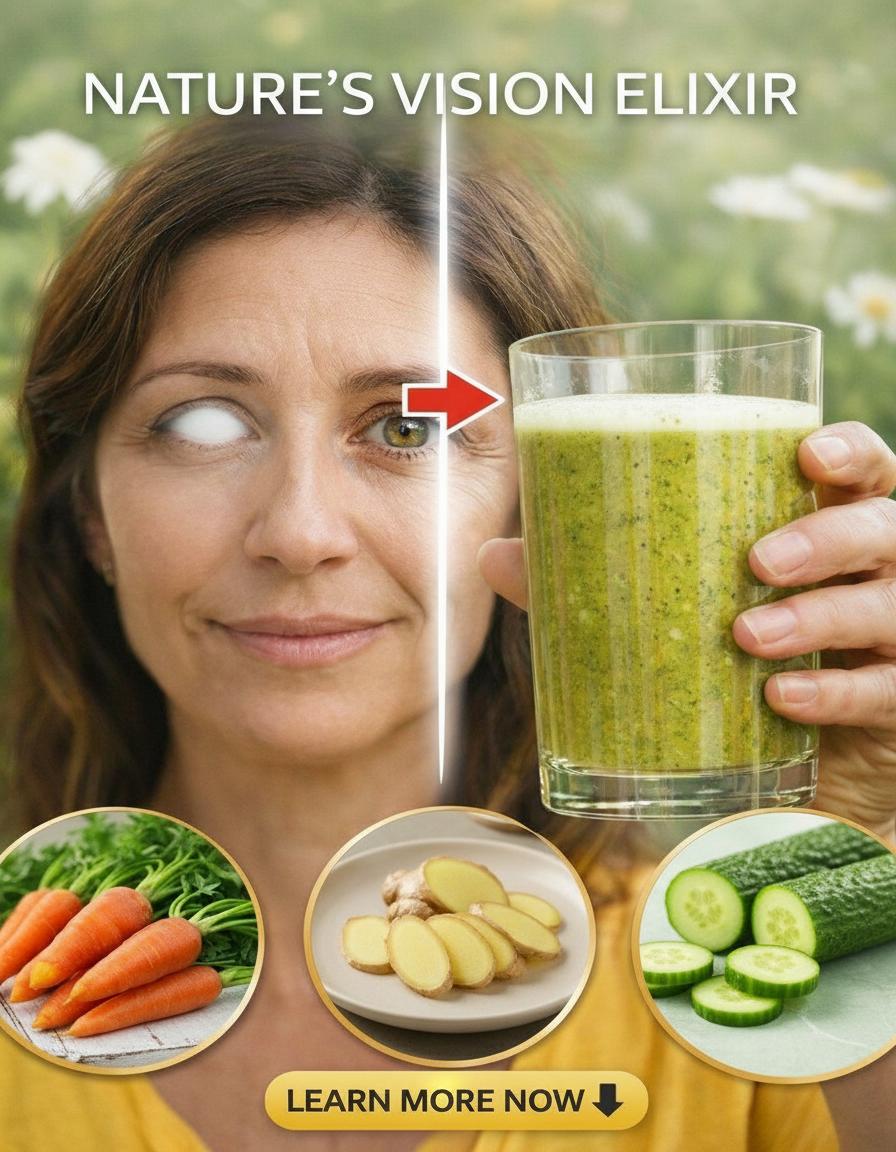
This is where a humble trio enters the story. Not exotic supplements. Not complicated routines. Just cucumber, ginger, and carrot. Simple foods, yes—but together, they may offer more support for eye comfort than most people realize. And the best part comes later.
Why Modern Eyes Feel Overworked

Imagine Lisa, 52, a project manager who spends eight hours a day switching between emails, spreadsheets, and video calls. By evening, her eyes feel tight and irritated, even though her vision test comes back “normal.” If this sounds familiar, you’re not alone—and there’s a reason.
Modern life asks our eyes to focus intensely for long periods, often without enough breaks. Reduced blinking, dry indoor air, and screen glare all add up. Over time, this strain can make eyes feel tired, dry, and less comfortable. But that’s only part of the story.
What many people overlook is the internal side of eye comfort. Hydration, circulation, and nutrient delivery all play a role. When these systems are under-supported, your eyes may be the first to complain. And this is where nutrition quietly steps in.
But wait—there’s more to it than just “eating healthy,” and the next section explains why.
The Hidden Role of Nutrition in Eye Comfort

You might be thinking, “I already eat pretty well—what difference can a few vegetables make?” That’s a fair question. Yet research suggests that certain nutrients are especially important for maintaining normal vision and eye tissue health.
Antioxidants help neutralize everyday oxidative stress. Adequate hydration supports tear balance. Healthy circulation helps deliver oxygen and nutrients to delicate eye structures. Miss one of these, and discomfort can follow.
Here’s the intriguing part: cucumber, ginger, and carrot each support a different piece of this puzzle. Separately, they’re helpful. Together, they may work in a complementary way that’s easy to overlook. Let’s start with the most familiar one—and save the most surprising benefits for later.
Carrot: More Than a Childhood Myth

You’ve probably heard since childhood that carrots are “good for your eyes.” It sounds almost too simple. Yet there’s real nutritional logic behind this advice.
Carrots are rich in beta-carotene, which the body converts into vitamin A. This nutrient plays a role in maintaining normal vision, especially in low-light conditions. But that’s just the beginning.
Imagine Robert, 61, who noticed his eyes felt dry and tired during evening reading. He didn’t expect miracles, but after adding carrots regularly to soups and juices, he reported feeling less eye dryness over several weeks. Coincidence? Possibly. But many people share similar experiences.
Carrots may help support:
- Normal retinal function
- Visual clarity under everyday conditions
- Eye comfort linked to reduced fatigue
The taste is mildly sweet, the crunch refreshing. And yet, carrots alone are not the full solution. The next ingredient addresses something carrots can’t—and that’s where things get interesting.
Cucumber: Hydration You Can Feel

If carrots nourish, cucumbers hydrate. With nearly 95% water content, cucumbers quietly support the body’s fluid balance—a factor often underestimated in eye comfort.
Think about how your eyes feel after a long flight or a day in air-conditioned rooms. Dry, right? Internal hydration matters just as much as eye drops, and cucumber offers a gentle way to support it.
Sarah, 47, began blending cucumber into her morning drink after noticing persistent eye tiredness during workdays. She described the effect as subtle but noticeable: her eyes felt “cooler” and less heavy by afternoon. That sensory detail matters.
Cucumber may help:
- Support moisture balance around the eyes
- Reduce the appearance of tiredness
- Refresh eyes stressed by screen time
And here’s a little-known detail: hydration also supports nutrient transport. Which means cucumber quietly sets the stage for the next ingredient to shine. But hold on—the most overlooked player comes next.
Ginger: The Circulation Connector
Ginger doesn’t usually get mentioned in eye discussions, yet it plays a fascinating supporting role. Known for its warming sensation and distinctive aroma, ginger is often associated with digestion. But circulation is another part of its story.
Healthy blood flow helps deliver oxygen and nutrients throughout the body, including to the eyes. When circulation is supported, tissues may function more comfortably. Ginger’s natural compounds are often studied for their antioxidant and soothing properties.
Picture Miguel, 58, who started drinking mild ginger tea in the mornings. He noticed not just warmth in his body, but less tension around his eyes after long reading sessions. He didn’t expect that outcome—and that’s the point.
Ginger may help support:
- Healthy circulation to eye tissues
- Reduced feelings of visual tension
- Overall eye vitality
But here’s the twist: ginger alone can feel intense. Combined correctly, it becomes balanced. And that balance unlocks the next level.
The Countdown: 7 Ways This Trio Supports Eye Comfort
Let’s slow down and count this carefully, because each benefit builds anticipation.
7. Gentle daily hydration support. Cucumber’s water content helps maintain overall moisture balance, setting a foundation for eye comfort. But hydration alone isn’t enough.
6. Antioxidant intake from natural foods. Carrots and ginger contribute plant compounds that help counter everyday environmental stress. And that’s only the beginning.
5. Support for normal low-light vision. Beta-carotene from carrots plays a role here, especially as we age. Yet there’s more happening behind the scenes.
4. Circulation support you can feel. Ginger’s warming nature may support blood flow, which quietly benefits the eyes. But wait—the synergy matters.
3. Reduced sense of eye heaviness. Many people report feeling lighter eye comfort when hydration and circulation improve together. Coincidence? Perhaps. Or pattern.
2. A calming daily ritual. Preparing and sipping this blend creates a pause—a moment your eyes and nervous system appreciate. And rituals have power.
1. A lifestyle shift that changes awareness. The biggest benefit may be this: you start paying attention to your eyes before discomfort escalates. That awareness can be transformative.
But how do you actually put this into practice without overthinking it? That’s the next piece.
The Perfect Blend: Simple, Refreshing, Practical
Combining cucumber, ginger, and carrot into a single drink is easier than it sounds. The flavors balance each other: cucumber’s freshness, carrot’s gentle sweetness, ginger’s subtle warmth. The aroma is clean, the taste surprisingly smooth.
Basic preparation
- One medium carrot
- Half a cucumber
- A small piece of fresh ginger
- Water or coconut water
Blend until smooth, strain if you prefer, and enjoy chilled. Many people choose mornings, but consistency matters more than timing.
You might be wondering, “Is this safe for everyone?” That’s a smart question. And the answer leads us to an important clarification.
Safety, Balance, and Realistic Expectations
This trio is not a treatment and not a replacement for professional eye care. It’s a supportive habit—nothing more, nothing less. If you have medical conditions, sensitivities, or take medications, consulting a healthcare professional is always wise.
Here’s a simple overview to keep expectations grounded.
| Ingredient | Key Nutrients | General Notes |
|---|---|---|
| Carrot | Beta-carotene | Supports normal vision nutrition |
| Cucumber | Water, minerals | Hydration-focused |
| Ginger | Plant compounds | Warming, circulation support |
| How to Use | Frequency | Considerations |
|---|---|---|
| Fresh drink | 3–5 times/week | Start with small ginger amounts |
| Ginger tea | Daily | Mild flavor is enough |
| Whole vegetables | Regular meals | Variety matters |
But don’t rush. The real benefit unfolds over time, especially when combined with simple eye-friendly habits.
Small Habits That Amplify the Effect
Nutrition works best alongside behavior. You don’t need perfection—just awareness.
Try the 20-20-20 rule. Adjust screen brightness. Blink more intentionally. Drink water regularly. These small actions stack up, and suddenly your eyes feel less like an afterthought.
Ask yourself: when was the last time you truly rested your eyes? That question alone can shift habits.
Final Thoughts: A Gentle Path Forward
Cucumber, ginger, and carrot won’t promise miracles—and that’s precisely their strength. They offer a gentle, realistic way to support hydration, circulation, and nutrient intake that may contribute to everyday eye comfort.
You don’t have to overhaul your life. Just start noticing. Start small. And let consistency do the quiet work.
Before you close this page, consider this: what if your eyes could feel just a little lighter a month from now? Sometimes, that’s all it takes to begin a bigger change.
Call to action: Try this trio for one week. Pay attention—not to dramatic results, but to subtle shifts. Then decide if your eyes deserve that small daily ritual.
P.S. Many people overlook that eye comfort often improves when the whole body feels supported. Nourish gently, stay curious, and share this with someone whose eyes work as hard as yours.
This article is for informational purposes only and does not replace professional medical advice. Readers are encouraged to consult a qualified healthcare provider for personalized guidance.