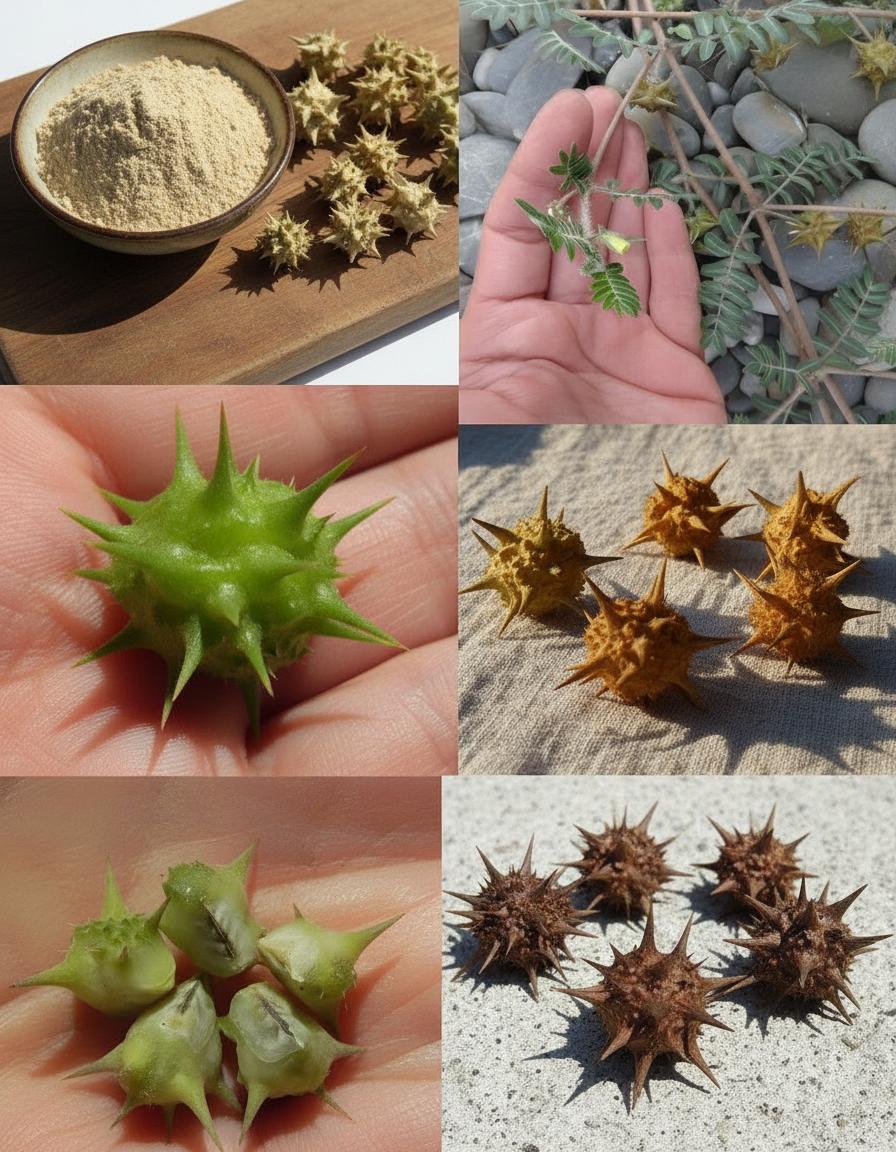
f you have ever stepped on a sharp burr that feels like a tiny weapon, you probably remember it.
That is a classic sign of Tribulus terrestris (often nicknamed puncture vine or goathead).
It grows low to the ground, spreads fast, and produces star-shaped burrs that stick to shoes, tires, and animal feet. But in traditional herbal practice, this “annoying weed” has a surprisingly long history for urinary comfort, libido support, and overall vitality.
Safety first: Never consume wild plants unless you are 100% certain of identification and the plant is harvested from a clean area (no pesticides, roadside pollution, or pet waste). Tribulus can also be strong for some people.
What This Herb Is Traditionally Used For
Tribulus is best known in folk traditions for supporting “flow” in the body, especially:
1) Urinary and Kidney Comfort
Many traditional systems use Tribulus as a gentle urinary-support herb, especially when someone feels water retention, urinary discomfort, or “heat” and irritation.
People often describe benefits like:
- Easier urination and less puffiness
- A calmer bladder feeling
- Support during hot weather dehydration patterns
2) Libido and Vitality Support
Tribulus is famous in men’s health conversations, but it has been used by both men and women traditionally for sexual wellness and stamina.
It is commonly used when people feel:
- Low drive due to stress and fatigue
- Low energy and “flat” mood
- Reduced motivation from poor sleep
3) Exercise Recovery and Performance Support
Some people take it because they believe it helps with training recovery and overall strength routines. Real results vary, and it is not a quick fix, but it is popular in wellness circles.
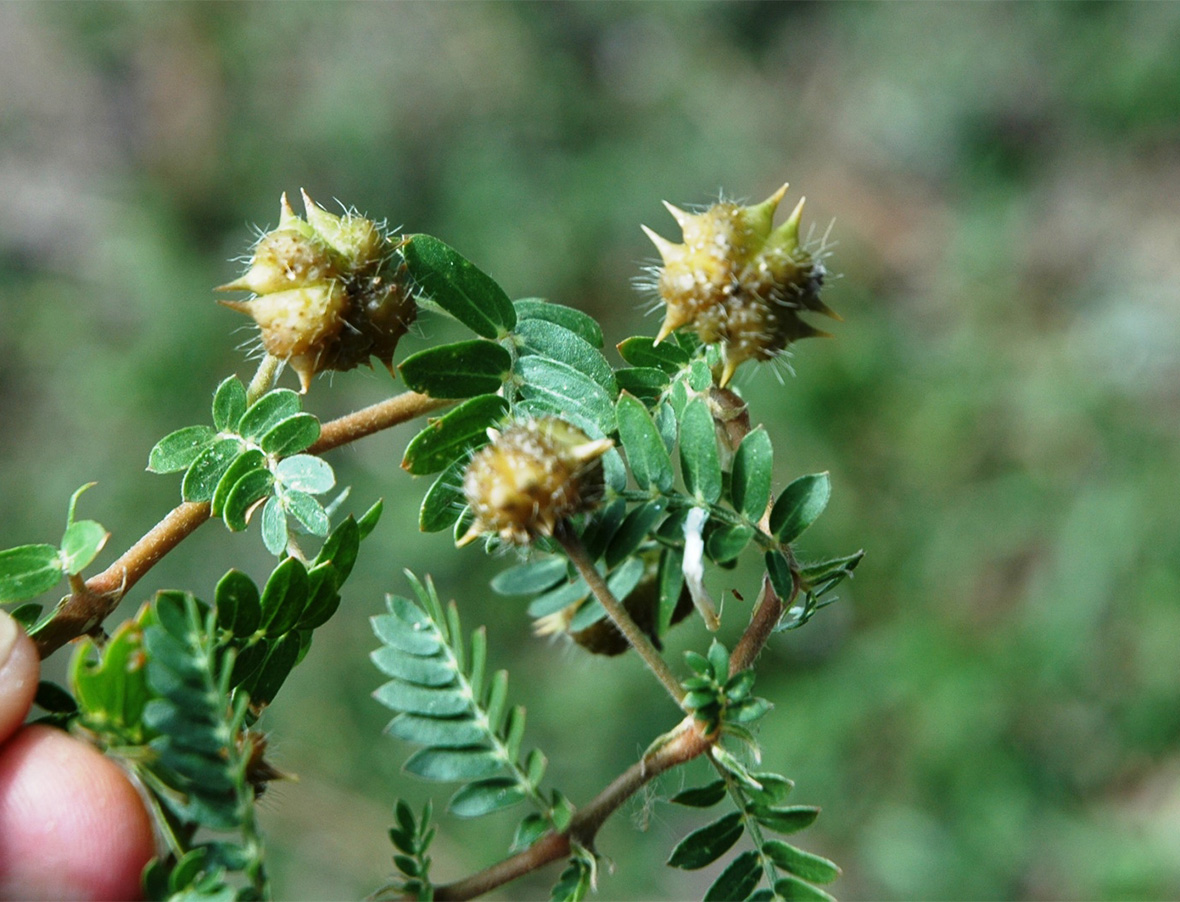
Why It May Work
Tribulus contains natural compounds called saponins (one well-known group is often called protodioscin). These are plant chemicals studied for their effects on hormone signaling and circulation-related pathways.
In simple terms:
- It may support circulation and fluid balance
- It may influence stress response and vitality
- It is traditionally used to support urinary flow
Even so, the effect is not the same for everyone. Lifestyle factors like sleep, hydration, salt intake, and stress often decide whether you notice anything.
Simple Traditional Preparation Methods
Different traditions use different parts of the plant. Commonly used parts include the fruit (burr/seed pod), leaves, and sometimes the root (your collage shows the plant and root).
Option 1: Tribulus Tea (Traditional Style)
You need:
- 1–2 teaspoons dried Tribulus (fruit or aerial parts)
- 2 cups water
How to prepare:
- Add herb to water.
- Simmer gently for 10–15 minutes.
- Turn off heat, cover, steep 5 minutes.
- Strain and sip warm.
How to use:
Start with ½ cup once daily for 2–3 days to test tolerance.
Option 2: Powder or Capsule (Easier, More Consistent)
This is often how people use Tribulus today because dosage is more predictable. If choosing supplements, look for reputable sourcing and avoid megadoses.
Best Time to Take It
Timing depends on your goal:
- For urinary comfort: earlier in the day, and hydrate well.
- For energy/vitality: morning or midday (avoid late evening if it feels stimulating).
- For libido support: consistent daily use is usually preferred over “one-time use.”
When You’ll Notice Changes
Set realistic expectations. This is not a one-cup miracle herb.
Many people report:
- Urinary comfort / less puffiness: 24–72 hours (if mild and hydration is good)
- Energy and vitality: 1–2 weeks of consistent use
- Libido support: 2–4 weeks (often depends heavily on sleep, stress, and nutrition)
If symptoms are intense or worsening, do not self-treat for too long.
Who Should Avoid Tribulus
Skip Tribulus or ask a clinician first if you:
- Are pregnant or breastfeeding
- Have kidney disease or a history of serious kidney issues
- Have hormone-sensitive conditions
- Use medications for blood pressure, blood sugar, or diuretics
- Have frequent dizziness or low blood pressure
Stop use and seek help if you notice
Rash, stomach pain, strong nausea, palpitations, or unusual agitation.
Quick Notes to Make It Work Better
Tribulus works best when the basics are in place:
- Drink enough water daily.
- Reduce ultra-salty processed foods.
- Prioritize sleep, especially for libido and hormone rhythm.
- Support minerals like potassium and magnesium through whole foods.
Final Takeaway
That spiky goathead plant in your photo is more than a nuisance. Tribulus terrestris has a long traditional reputation for supporting urinary comfort, fluid balance, and vitality—when used carefully and consistently.